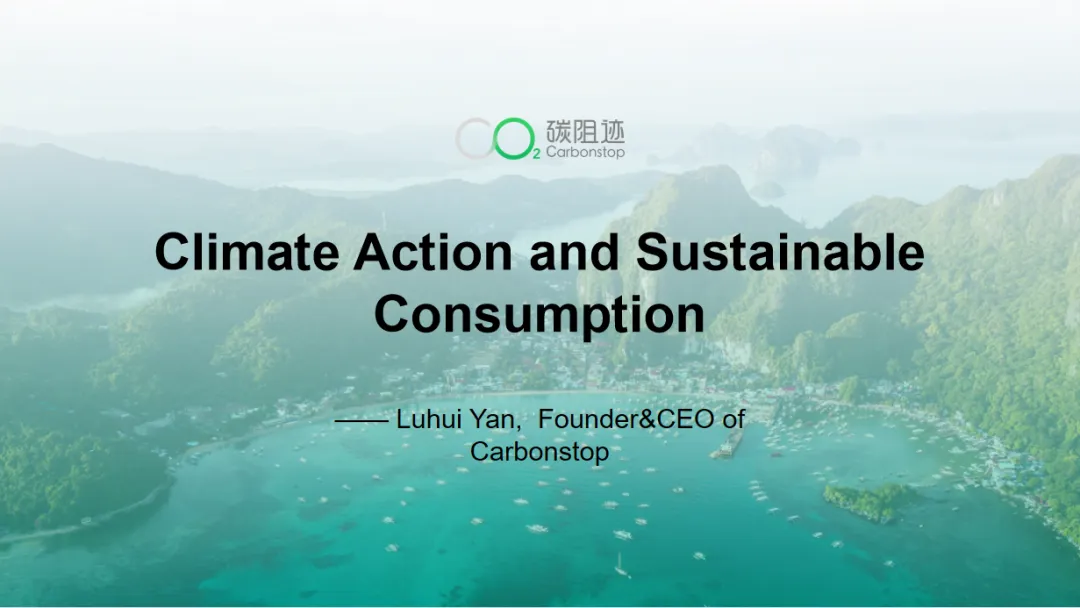
On November 9, the 'Climate Action and Sustainable Consumption' China Pavilion side event of the UN Climate Change Conference COP27 was held in Sharm El Sheikh, Egypt.
This side event was co-hosted by the Beijing Entrepreneurs Foundation for Environmental Protection, the Center for Promoting Climate Change Actions, and the China Corporate Climate Action (CCCA). Representatives from the food, fashion, and cosmetics industries attended the event online to discuss how different sectors can work together to promote sustainable consumption.
Carbonstop founder Yan Luhui was invited to attend and delivered a keynote speech titled "Innovative Practices in Carbon Footprint Management for Consumer Brands."

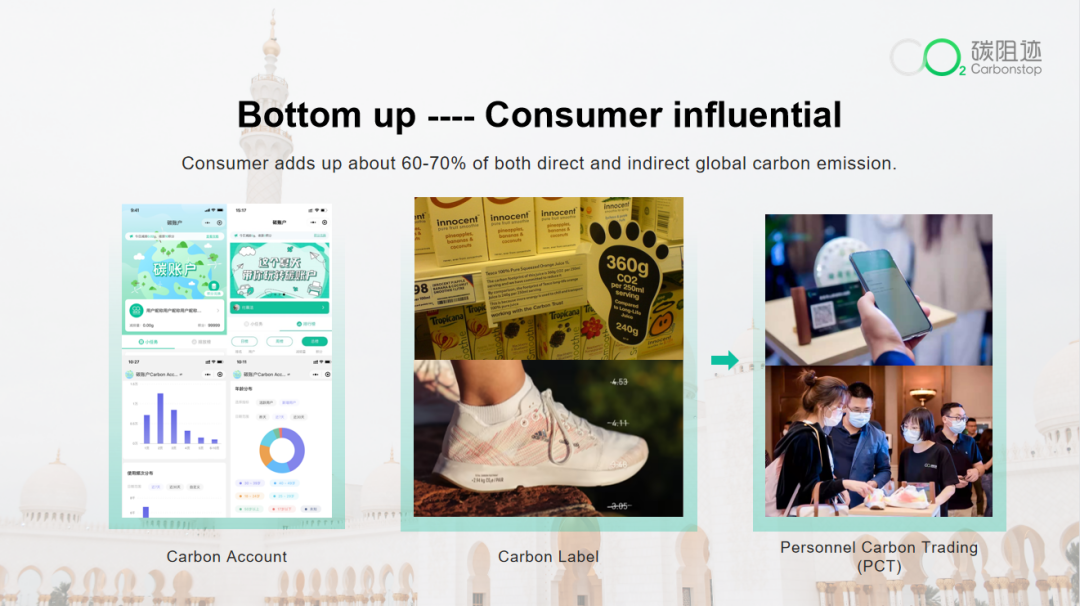
Data shows that about 60% to 70% of carbon emissions come from the consumer end. Achieving carbon neutrality cannot ignore carbon reduction efforts on the consumer side.
However, carbon emissions from the consumer side have characteristics such as wide coverage, scattered emission points, and difficulty in quantification. Additionally, issues like insufficient supply of sustainable products, relatively weak awareness of green consumption, and higher costs of green consumption make it challenging to implement reduction efforts on the consumer side.
To address these challenges, Yan Luhui shared some insights and perspectives from both top-down and bottom-up angles to promote sustainable consumption.
The following are highlights from his speech:
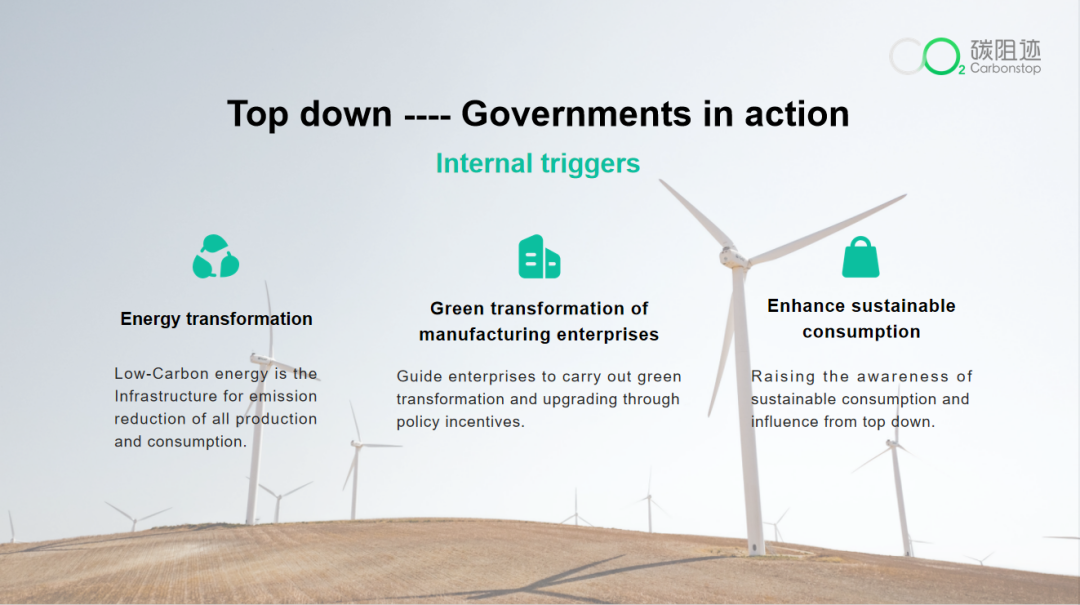
Firstly, from a top-down perspective, the government has been taking action, such as requiring relevant production enterprises to undergo green and low-carbon transformations, provide sustainable products, and actively shift consumer mindsets.

Yan Luhui stated: The government formulates policies based on the topic of sustainable consumption, and industries then set standards and implement them according to these policies. Enterprises start providing sustainable products, consumers gradually develop a sustainable consumption mindset, and become more willing to purchase sustainable products, thereby driving more enterprises to produce sustainable products. Finally, the government formulates more suitable policies based on specific circumstances, achieving a virtuous cycle that promotes sustainable consumption and green development.
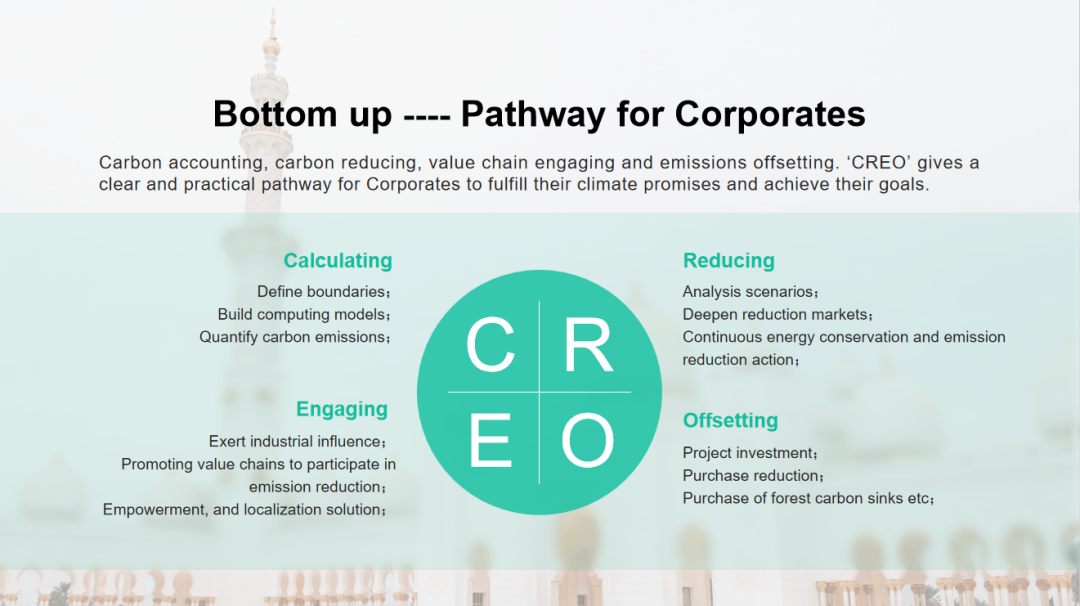
From a bottom-up perspective, Carbonstop's pioneering CREO methodology starts from the enterprise itself and extends to every link in the value chain, thereby promoting sustainable consumption.

With the popularization of concepts such as low-carbon development, sustainability, and circular economy, many consumer-oriented production enterprises have begun to manage their carbon emissions using certain standards and methodologies, ultimately achieving carbon neutrality.
Generally speaking, the first step in corporate carbon reduction is quantification. By calculating their own carbon emissions, enterprises can identify reduction points in different stages and take action to reduce emissions. Besides reducing emissions themselves, enterprises should also encourage upstream suppliers and downstream consumers to participate in reduction efforts.
For example, when an automobile company discloses its carbon emissions, the upstream supplier producing seats is also required to disclose the carbon footprint of the corresponding products. In this process, the automobile company drives the entire upstream supply chain to participate in carbon reduction efforts.
Finally, Yan Luhui also shared Carbonstop's innovative practices in consumer-side carbon reduction.

On October 20, Carbonstop officially launched the "Carbon Account," offering users 11 green and low-carbon living scenarios, such as walking, cycling, and double-sided printing. Users accumulate carbon coins by completing low-carbon tasks, which they can use to redeem benefits like Starbucks coffee coupons and red packets. This not only contributes to the cause of carbon neutrality but also provides incentives for users to participate.
Currently, Carbonstop's "Walking for Carbon Reduction" campaign is underway, where Carbonstoppers earn points by walking and compete in group rankings. The top-ranked Carbonstoppers will receive generous prizes. "We hope to encourage users to participate in low-carbon actions through fun and meaningful activities, contributing to carbon reduction," said Yan Luhui.
Yan Luhui noted that sustainable consumption is a crucial part of achieving the dual carbon targets. Whether in production, design, products, or services, the sustainability of the industrial chain can not only produce and promote more diverse solutions for sustainable living but also cultivate a sustainable mindset among consumers and guide changes in their behavior.

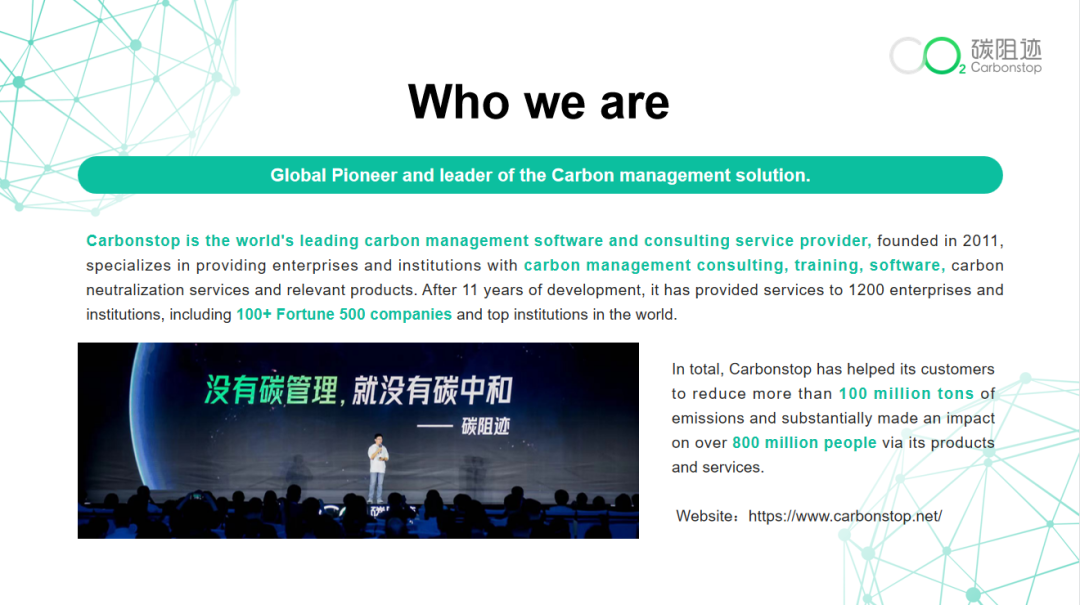
Since its establishment in 2011, Carbonstop has actively participated in and promoted sustainable consumption and green development, striving to achieve the goal of "making every product have a carbon footprint." Looking ahead, Carbonstop will continue to engage in sustainable development initiatives with a more proactive attitude, contributing to climate change mitigation through technological innovation.