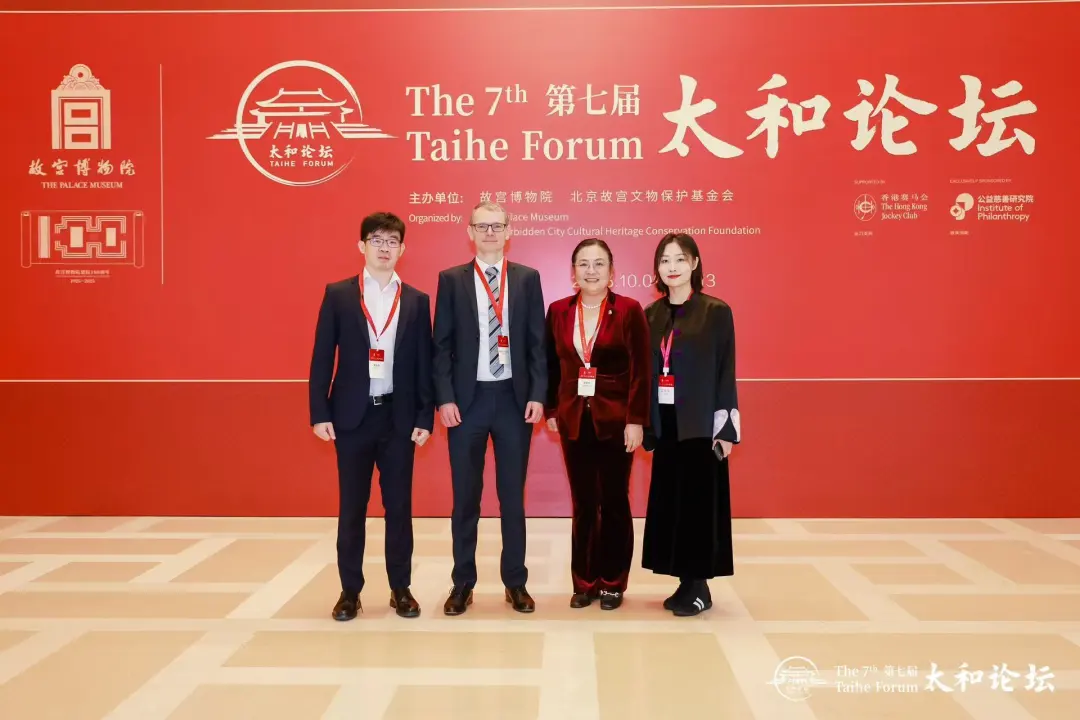
On the occasion of the Palace Museum’s 100th anniversary, the 7th “Taihe Forum” was successfully held in Beijing on October 11–12. As a key component of the centennial celebrations, this year’s forum featured three major sessions: the International Forum for Museum Directors titled “Between ‘Museums’ and ‘Communities’: Co-Growth of Museums and Society,” the International Forum on Green and Sustainable Development of World Heritage Sites, and the International Forum on “Culture + Technology” in Museums. The International Forum on Green and Sustainable Development of World Heritage Sites brought together leading experts and institutional representatives from dozens of countries specializing in cultural heritage conservation, climate change, and sustainable development.
Lu-Hui Yan, Founder and CEO of Carbonstop, was invited to participate in the Taihe Forum and delivered a presentation at the “International Forum on Green and Sustainable Development of World Heritage Sites,” sharing insights on carbon management approaches for cultural heritage sites under the theme “Waste Management and Carbon Management Pathways for World Heritage Sites.” Additionally, serving as the Palace Museum’s “Carbon Strategist,” Carbonstop provided scientific carbon footprint calculations and low-carbon management support for the forum, applying data-driven “carbon labels” to various low-carbon scenarios—making the event’s “green credentials” clearly visible to all.
“The Taihe Forum, first launched by the Palace Museum in 2016, is an international platform for cooperation and exchange. It aims to study and address challenges facing the protection of cultural heritage in ancient civilizations under today’s global context, foster international collaboration in heritage conservation, and promote the enduring role of ancient world civilizations in contemporary human society.”

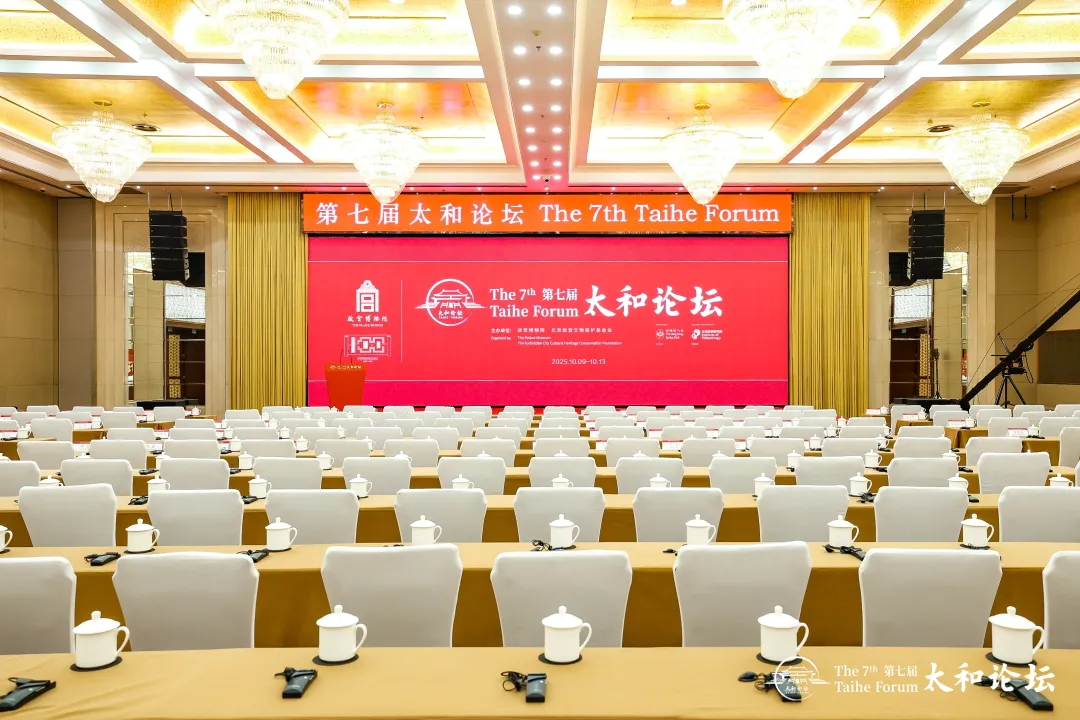
Taihe Forum venue


Gathering Global Wisdom at Taihe: Shaping a Green Future for World Heritage Sites
Marking the centennial milestone, this year’s forum specially included the session on “Green and Sustainable Development of World Heritage Sites,” attracting numerous distinguished speakers. Participants included Laurent Salomé, Director of the National Museum of the Palace of Versailles and Trianon; Andrew Potts, Secretary General of the U.S.-based Climate Heritage Network; Martha Demas, Senior Project Specialist at the Getty Conservation Institute; Guo Qinglin, Deputy Party Secretary of the Dunhuang Academy; Wang Shi, Chairman of Vanke Foundation; César Ernesto Mendi, Director of Peru’s Machu Picchu Archaeological Park; and Fan Yuanyuan, Director of the Leshan Giant Buddha Grottoes Research Institute. Together, they explored core topics such as climate resilience for heritage sites, advancing zero-waste and carbon management strategies, and fostering cultural coexistence.

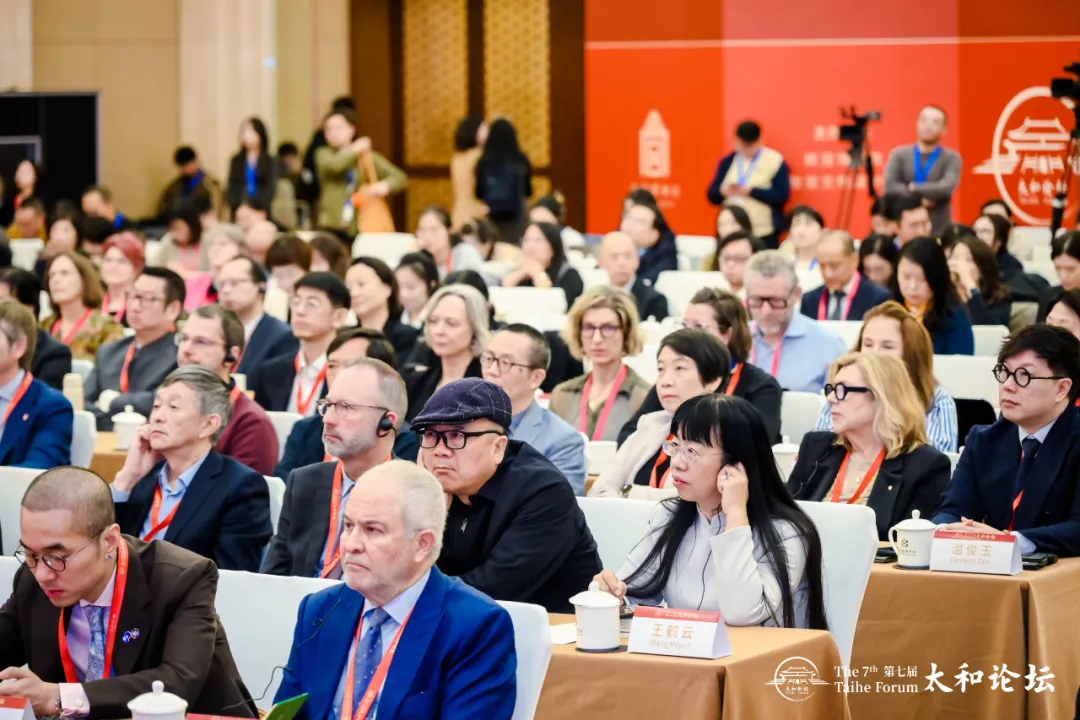
Taihe Forum venue

Carbonstop Shares Insights on Carbon Management Pathways for World Heritage Sites
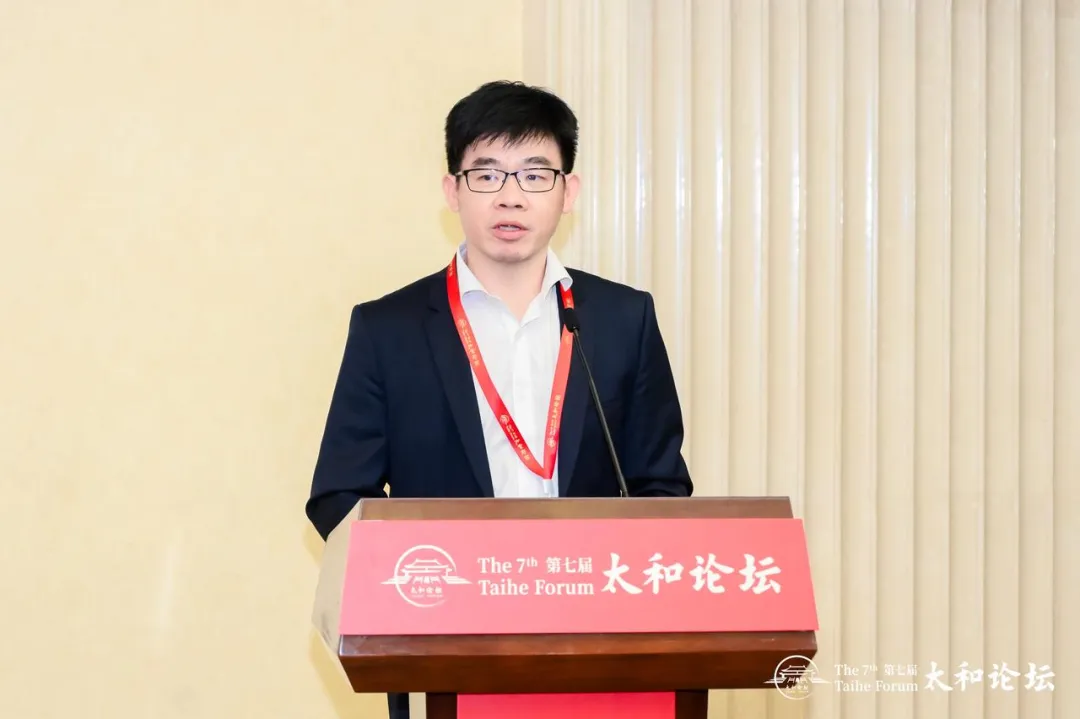
Mr. Lu-Hui Yan, Founder and CEO of Carbonstop, was invited to speak at the session themed “Waste Management and Carbon Management Pathways for World Heritage Sites,” delivering an insightful presentation. Drawing on Carbonstop’s extensive experience in carbon management, Mr. Yan introduced internationally recognized carbon accounting methodologies and, considering the unique characteristics of cultural heritage sites, discussed with attendees how to establish a practical, comprehensive carbon inventory system tailored for sites like the Palace Museum—offering valuable reference for scientifically setting future carbon neutrality targets.

Founder and CEO of Carbonstop delivering a keynote speech at the Taihe Forum

Carbonstop and the Palace Museum Join Forces Again
To Pioneer Climate Action at World Heritage Sites
Carbonstop’s collaboration with the Palace Museum began in 2021. Invited by Vanke Foundation, Carbonstop leveraged its deep expertise and industry-leading technical capabilities to support the “Zero Waste at the Forbidden City” initiative by calculating carbon emission reductions from waste sorting and green waste composting. This effort helped create an integrated, demonstrative waste management project combining environmental behavioral research, industrial design, carbon reduction, and advanced waste processing technologies—marking the first systematic exploration of carbon quantification in the museum sector in China.
This partnership has now deepened further for the Taihe Forum. Carbonstop not only supported Vanke Foundation in conducting a full life-cycle carbon footprint assessment of the entire event but also embedded low-carbon principles into every detail—from eco-friendly accommodations and electric shuttle buses to reusable water cups and rigorous waste sorting and recycling. Carbon reduction impacts from these initiatives were scientifically calculated and visually communicated through on-site “carbon labels,” enabling every participant to tangibly understand and appreciate their personal contribution to emissions reduction—greatly enhancing engagement and motivation for action.

Cultural Heritage Meets Sustainable Development
Accelerating Climate Transition for World Heritage Sites
Standing at the threshold of the Palace Museum’s new century, this collaborative practice represents a significant step toward a sustainable future for China’s cultural heritage. It marks the formal entry of China’s heritage conservation efforts into the “era of carbon management” and offers a pioneering “Chinese model” for global cultural heritage sites responding to climate change. We firmly believe that the Palace Museum’s initiative not only contributes meaningfully to the global climate transformation of heritage sites but will also inspire more world heritage locations to join this green revolution.