


 869
869
Today, August 1, 2024, marks Earth Overshoot Day, indicating that Earth has entered an ecological deficit state for the year, having already consumed the total amount of renewable natural resources that can be regenerated within the year. According to the Global Footprint Network, an American environmental organization, since 1970, human exploitation of natural resources has surpassed the Earth's ecological threshold. Data shows that almost every ten years, "nature's limit" advances by one month. In 2024, 1.75 Earths would be needed to meet human demand, but unfortunately, we have only one.
 Image Source: Global Footprint Network Official Website
Today, August 1, 2024, also marks the one-year anniversary of the launch of Carbonstop's Low-Carbon Hero Platform. Carbonstop aims to raise awareness of the environmental impact behind our consumption choices by attaching carbon labels to every product. Carbonstop seeks to connect every individual, brand, enterprise, and organization we can reach to combat climate change together. Therefore, today, Low-Carbon Hero will not initiate any promotional activities because we deeply understand that purchasing only what we need is the greatest kindness to the Earth. The original intention of Low-Carbon Hero is not to encourage consumption but to provide everyone with a greener choice, encouraging responsible living and consumption, and reducing the impact of our choices on the Earth and other life forms on the planet.
On August 1, we have passed 214 out of 366 days of the year, but our consumption of renewable natural resources has reached 100%. We are still over-consuming Earth's resources, so every choice we make in work and life can be very important.

"Live streaming," "grass planting," "cutting down," "hand chopping"—the pressures on modern people are increasing, and buying things has become one of the main ways many people relieve stress. However, this solution is merely a temporary suppressant; consumption itself cannot really solve any problems and adds to the Earth's burden. In the fast fashion industry, polyester, much cheaper than cotton, is the preferred material for clothing brands, primarily sourced from fossil fuels. According to "Fossil Fashion: The Hidden Reliance of Fast Fashion on Fossil Fuels," the production of polyester has increased ninefold over the past 50 years. Over the past 15 years, people's spending on clothing has increased by 60%, while the lifespan of each garment is only half of what it used to be. A similar situation exists in the food sector, where about one-third of all food is wasted globally, and approximately 800 million people lack access to sufficient calories, yet we waste 1.3 billion tons of food annually.
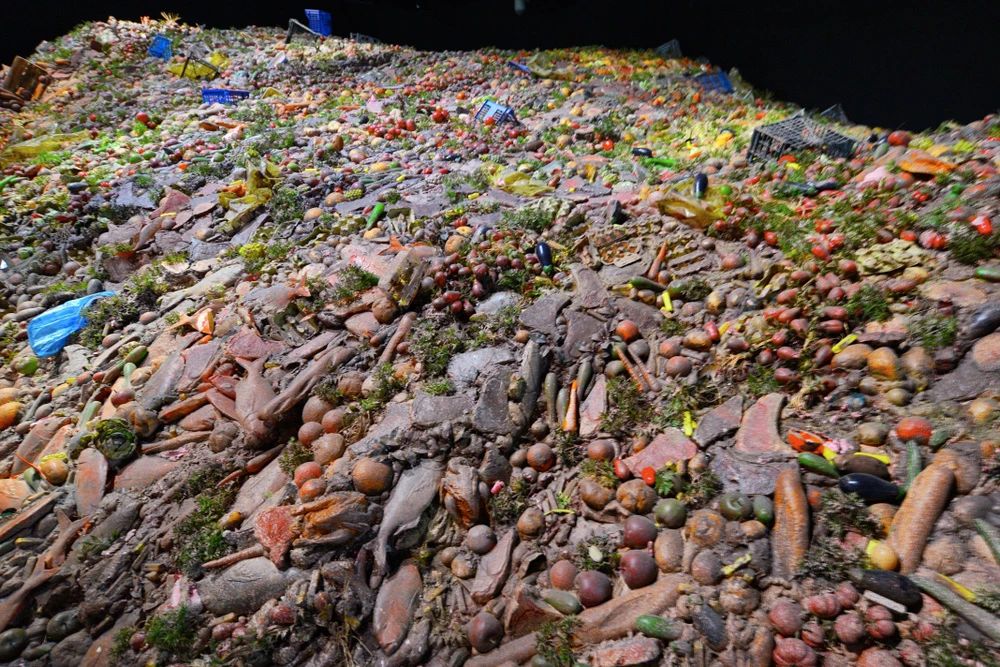
Image Source: Greenpeace Official Website
We shop to live, not to live to shop. Yvon Chouinard, founder of Patagonia, advocates a consumption philosophy of "buying only products that last a lifetime" and jokes that it is easy to do so at his age. Try to buy only what you need and use for the long term. Slow down, calm down, reflect on our excess desires, think about our relationship with nature, return to life and existence itself, and observe and feel the beautiful things around us—perhaps what we need is not much.
When you really need something, try to choose products that are more environmentally friendly. Few products have zero environmental impact, but some more responsible brands are making continuous efforts. Since 1993, Patagonia has started using recycled plastic bottles in clothing production, with 25 1-liter plastic water bottles required to make one Synchilla fleece jacket. In the spring 2024 collection, 92% of polyester garments used recycled polyester, up from 87% last year. Through this initiative, Patagonia has prevented 10.5 million pounds of greenhouse gases from entering the atmosphere.
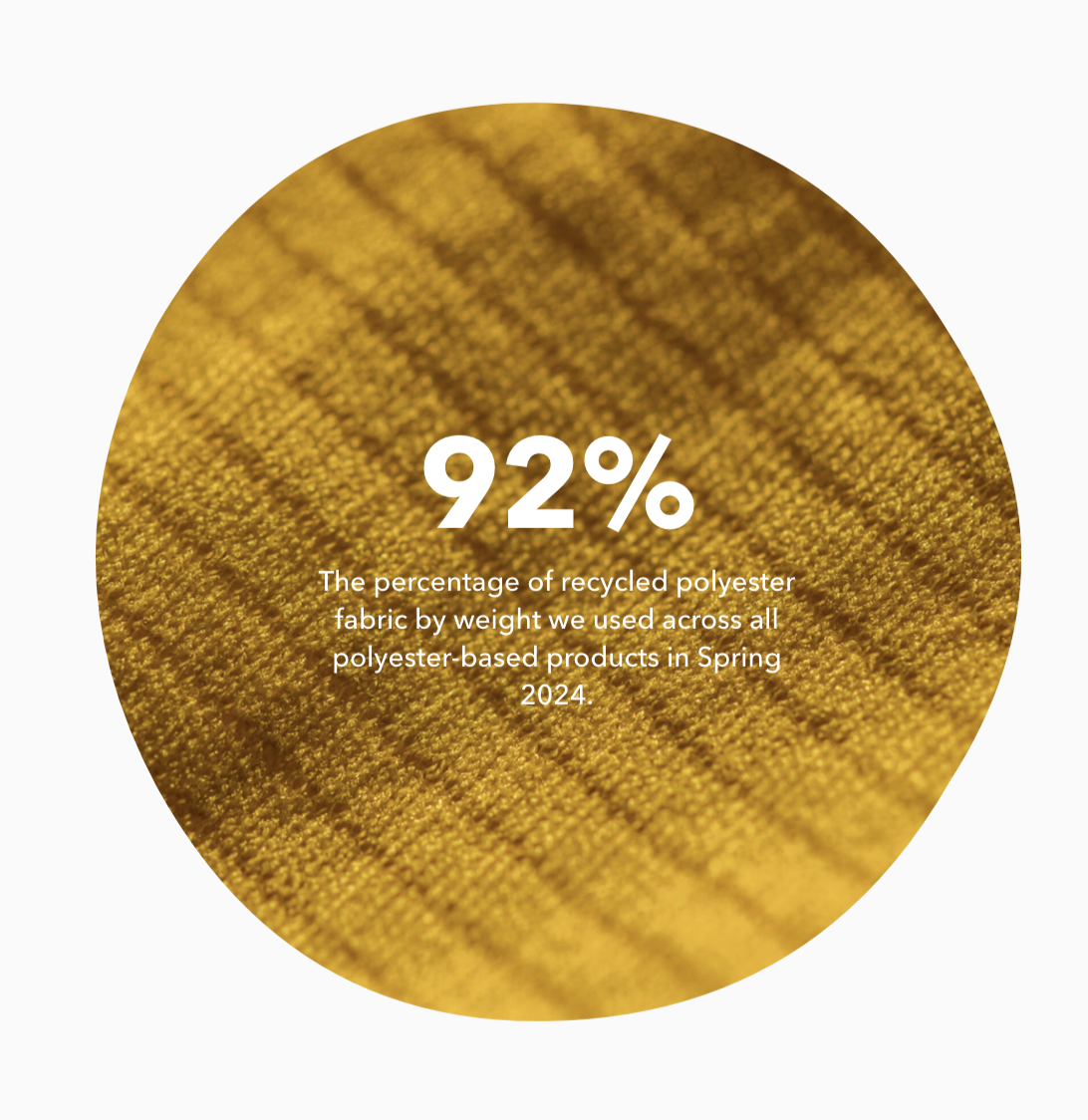
Image Source: Patagonia Official Website
The brands on the Low-Carbon Hero platform are also doing the same, striving to make ordinary products more environmentally friendly through constant trials and efforts. Every year, at least 400 million tons of plastic waste are generated globally, and plastic pollution has penetrated almost every dimension of the biosphere. A study conducted in 2021 analyzed over 170,000 individuals from 555 marine and estuarine fish species and found that more than two-thirds of the species contained microplastics. The study also emphasized that the incidence of marine fish ingesting microplastics has doubled over the past decade and continues to grow at a rate of more than 2% annually.
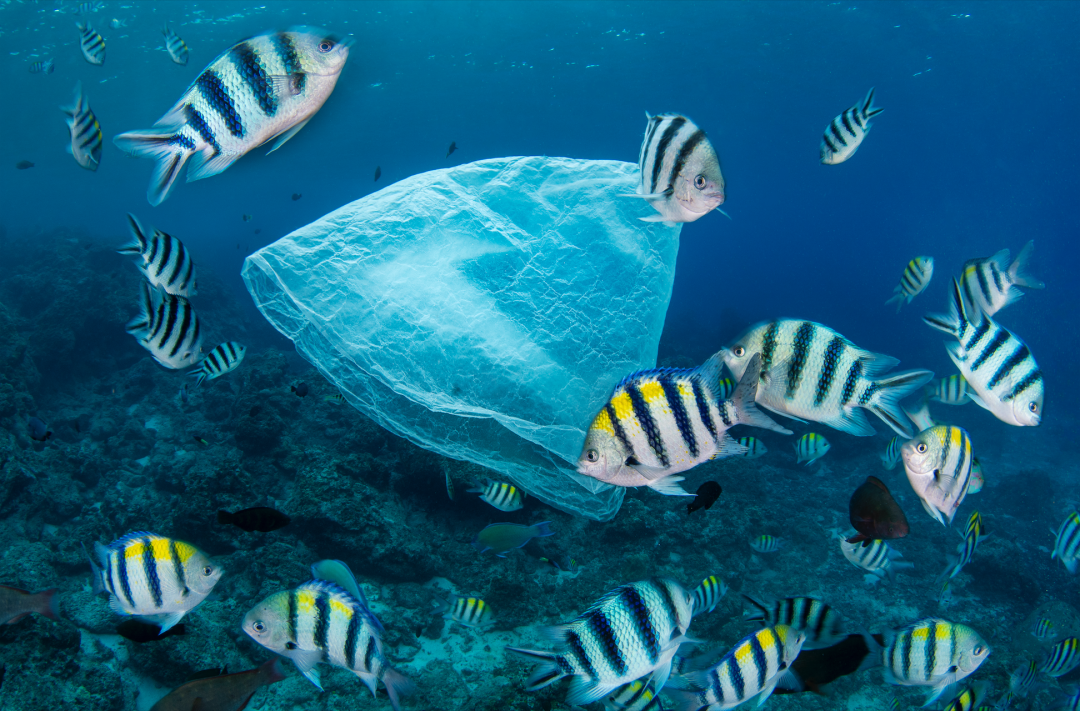
Image Source: WWF
The SAFONE coffee scrub on the Low-Carbon Hero platform uses recycled coffee grounds instead of traditional plastic microbeads, allowing coffee grounds to be reused and reducing the impact of plastic microbeads on marine ecosystems. If your body scrub happens to run out, why not try this more eco-friendly option?
Pessimism and optimism cannot save us. Neither pessimists ("It's too late") nor optimists ("The Earth will heal itself") can change the current situation. Only by persistently doing the right thing, influencing a small number of people, and then letting those people influence more, can we be activists and find the answer. According to a Kantar survey report, there is a "SAY-DO GAP" in sustainable consumption: 92% of people say they want to live sustainably, but only 16% are actively changing their behavior to achieve this goal.
Of course, combating climate change is not a simple issue, but it is not the first time human society has faced a global challenge. Acid rain, caused by sulfur oxides and nitrogen oxides emitted from human activities, reacts with water vapor and oxygen in the atmosphere to form acidic substances such as sulfuric acid and nitric acid, ultimately falling as acid rain. Acid rain leads to the acidification of oceans and soils, mass deaths of fish, the disappearance of freshwater insects, and the destruction of forests. By the end of the 20th century, acid rain had become a major challenge for countries worldwide, causing catastrophic impacts on human life. The United States and most European countries introduced strict regulations, reducing sulfur dioxide emissions by 97% compared to the peak in the 1970s, 87% in Europe, and 98% in the UK. Acid rain has almost disappeared in North America and Europe (data source: "Not the End of the World").
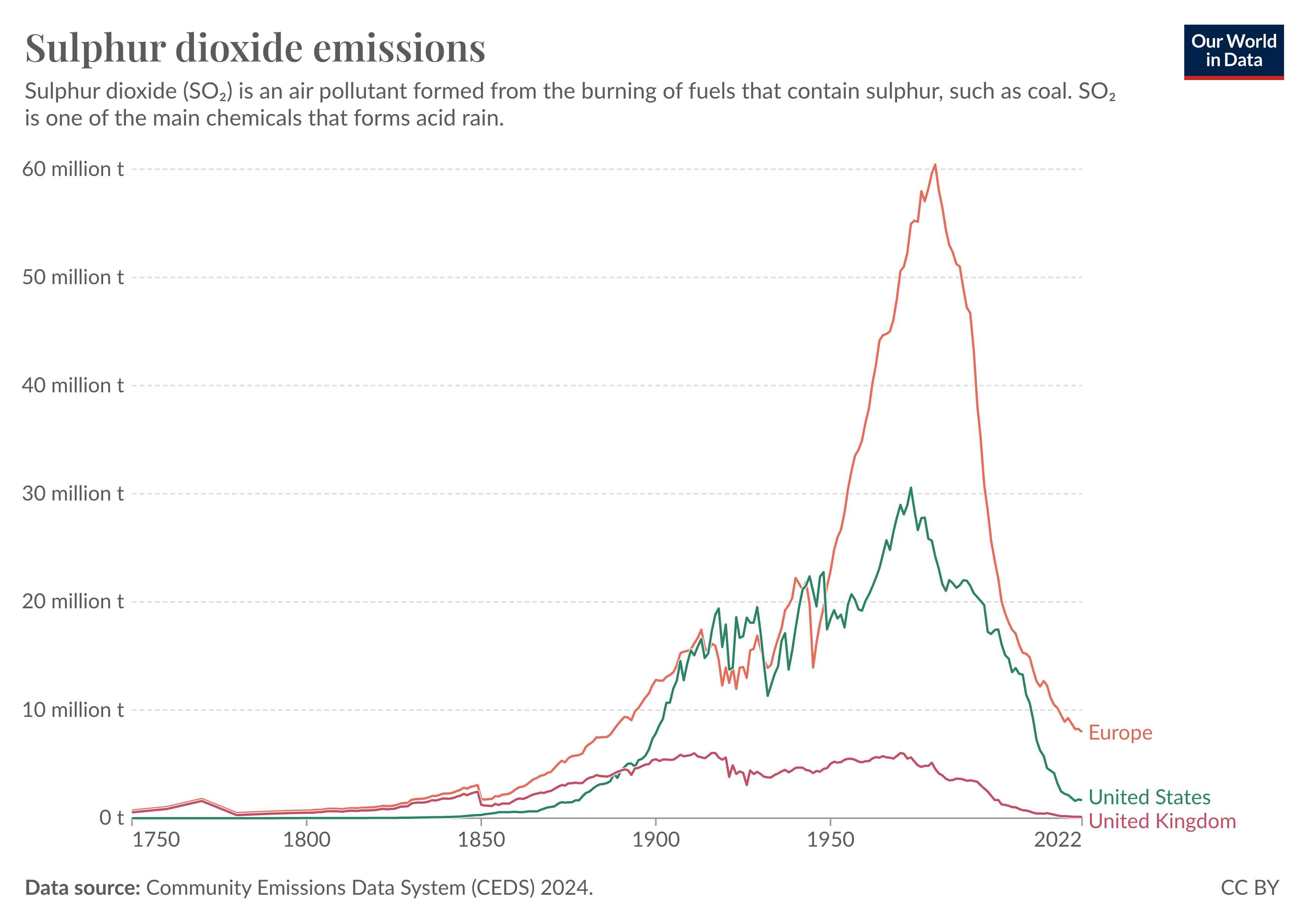
Image Source: Our World in Data Official Website
Therefore, with technological advancements, if every stakeholder takes action, we have the opportunity to address the global climate change issue. As individuals, we can start by eating less meat (especially beef!), bringing our own cups, and using only one napkin when dining out; as companies, we can start by encouraging employees to travel by train, choosing low-carbon Mid-Autumn Festival gifts, and promoting the use of electronic invoices among upstream and downstream partners, persisting in these small but correct actions to create greater changes.

The Iroquois have their own Seven Generations Philosophy, meaning that every decision and action made by one generation must consider the impact on the next seven generations, and they must take responsibility for these descendants. This is one of the oldest principles on Earth. If we can also continue this principle, sustainable development will endure indefinitely in human society.


