


 552
552Another year has come around, and once again, the debate over sweet and savory zongzi rages on. For thousands of years, people from north and south of the Yangtze River have argued fiercely over which type of zongzi deserves the top spot, neither side willing to back down. The battle between the sweet zongzi faction and the savory zongzi faction continues unabated.
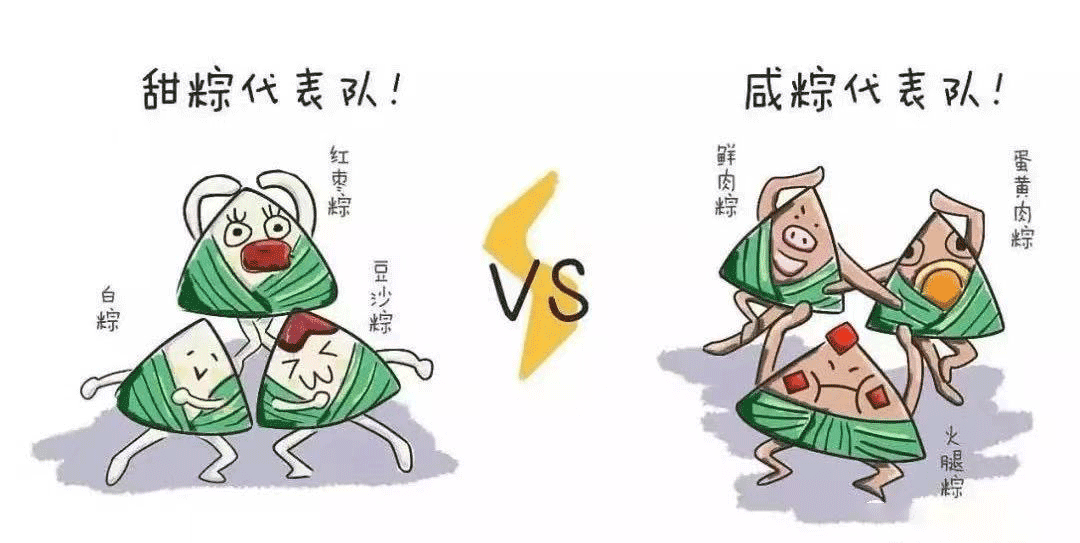
The sweet zongzi faction believes that zongzi without sugar lacks soul; the savory zongzi faction argues that zongzi without meat is an anomaly. Both sides fight tooth and nail, never giving up.
Sweet zongzi or savory zongzi? This century-old question remains unanswered.
As it happens, this year marks a crucial period for breakthroughs in carbon neutrality. Why not follow our editor's lead and approach this issue from a different angle? Let's focus on low carbon emissions. Whichever zongzi has a lower carbon footprint will take the top spot. Using this innovative and environmentally friendly method to resolve the age-old dispute sounds perfect, doesn't it?
So, the editor selected representative sweet and savory zongzi from the Dragon Boat Festival gift box recently distributed by the company: the golden thread honey date zongzi and the mung bean and meat zongzi. We will calculate the carbon footprint of each zongzi, using 100 grams as the unit, to see which one is more environmentally friendly!
To obtain the exact proportions of the ingredients, the editor contacted the supplier of the zongzi gift box and received accurate data. However, due to proprietary concerns, we made slight adjustments to the actual figures and only calculated the carbon footprint from the raw materials to the manufacturing stage. (Since the energy consumption for cooking and transportation methods for meat and vegetarian zongzi is minimal and can be ignored, comparing the raw materials alone is sufficient.)
To quickly get the calculation results, the editor used Carbon Cloud — Product Carbon Footprint.
Step 1
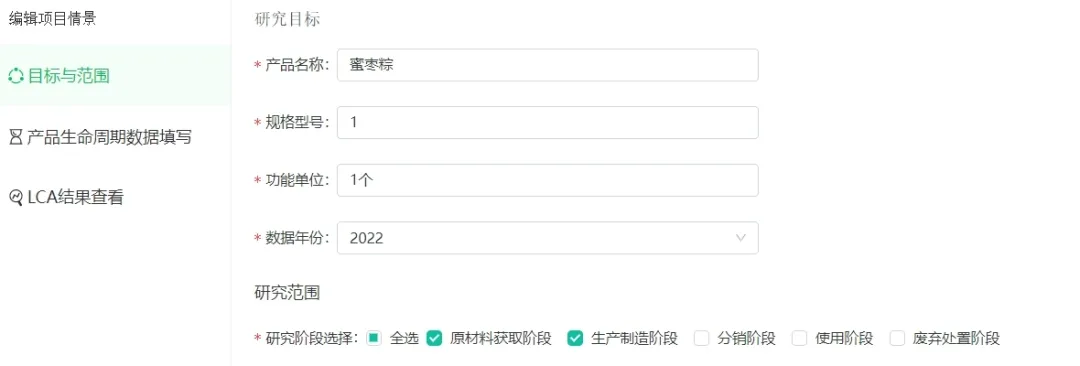
Select the 【Product Carbon Footprint】section, fill in the basic information of the product, and choose the scope you want to study.
Step 2
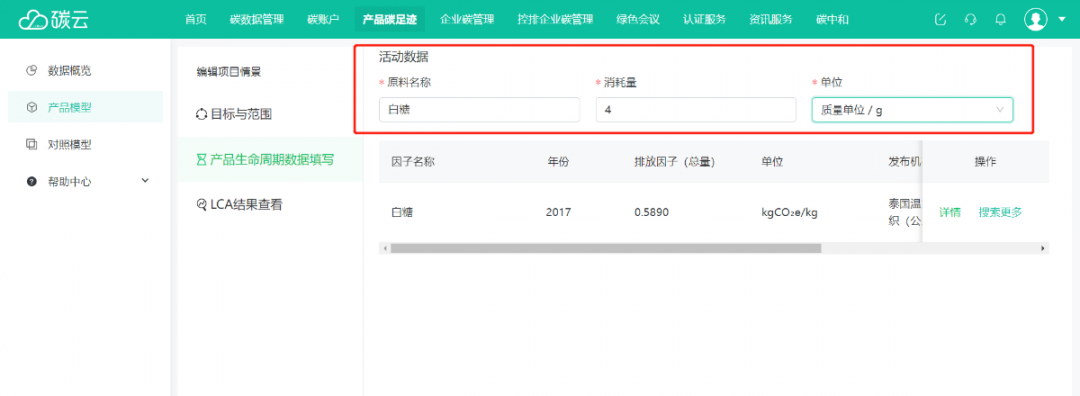
On the 【Product Lifecycle Data Entry】page, add the activity data for each raw material, including the name, quantity, and unit of the raw material.
Step 3
Click on the system's automatically matched emission factors to view detailed information such as emission factors, issuing organizations, and emission amounts.
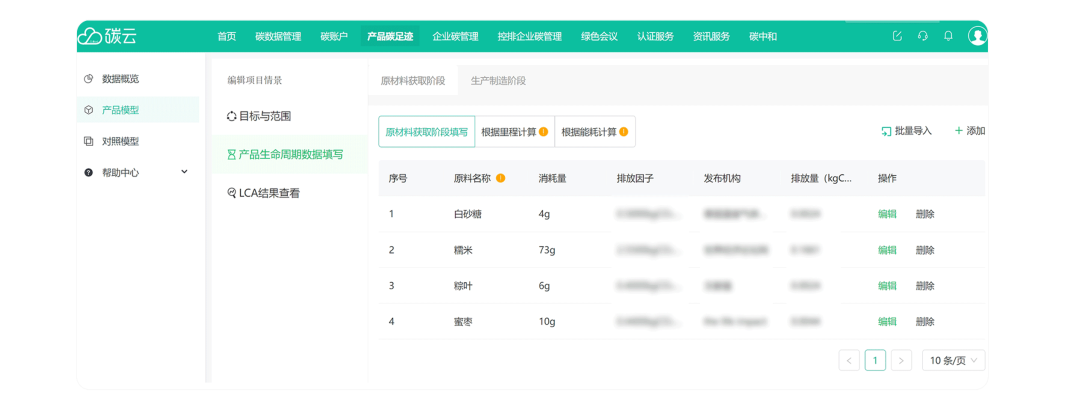
Step 4
Select【LCA View Results】 to view the carbon emission results of the product.
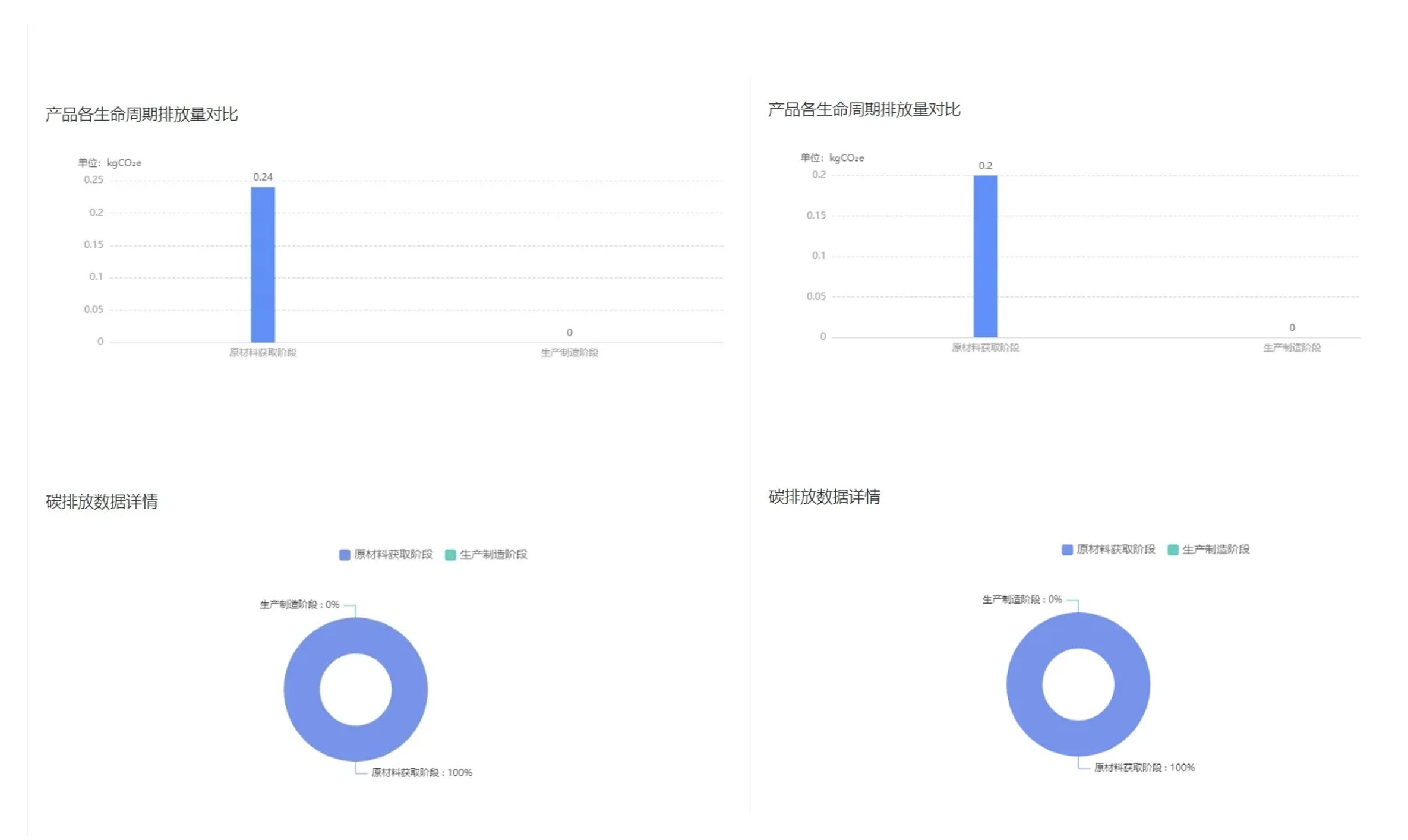
According to the calculations from Carbon Cloud, 100 grams of fresh meat zongzi produces 0.24 kg of carbon emissions, while 100 grams of honey date zongzi produces 0.2 kg of carbon emissions. Indeed, under equal weight, the sweet zongzi has a lower carbon footprint!
So, does this mean the sweet zongzi wins?
Not so fast. The crown of victory may not be so easily won.
From a nutritional standpoint,100 grams of fresh meat zongzi contains 6.2 grams of protein and 4.2 grams of fat, while 100 grams of honey date zongzi contains 4.1 grams of protein and 0 grams of fat. In other words, eating one fresh meat zongzi is equivalent to eating one and a half honey date zongzi to obtain the same amount of protein. This makes the fresh meat zongzi seem more advantageous, considering the importance of nutrient intake.
Savory zongzi vs. sweet zongzi? Adults say: no need to choose, both are welcome!
On this Dragon Boat Festival, Carbonstop wishes all readers a healthy and happy holiday. Whether it's sweet zongzi or savory zongzi, may everyone's endeavors achieve great success!


