

 1074
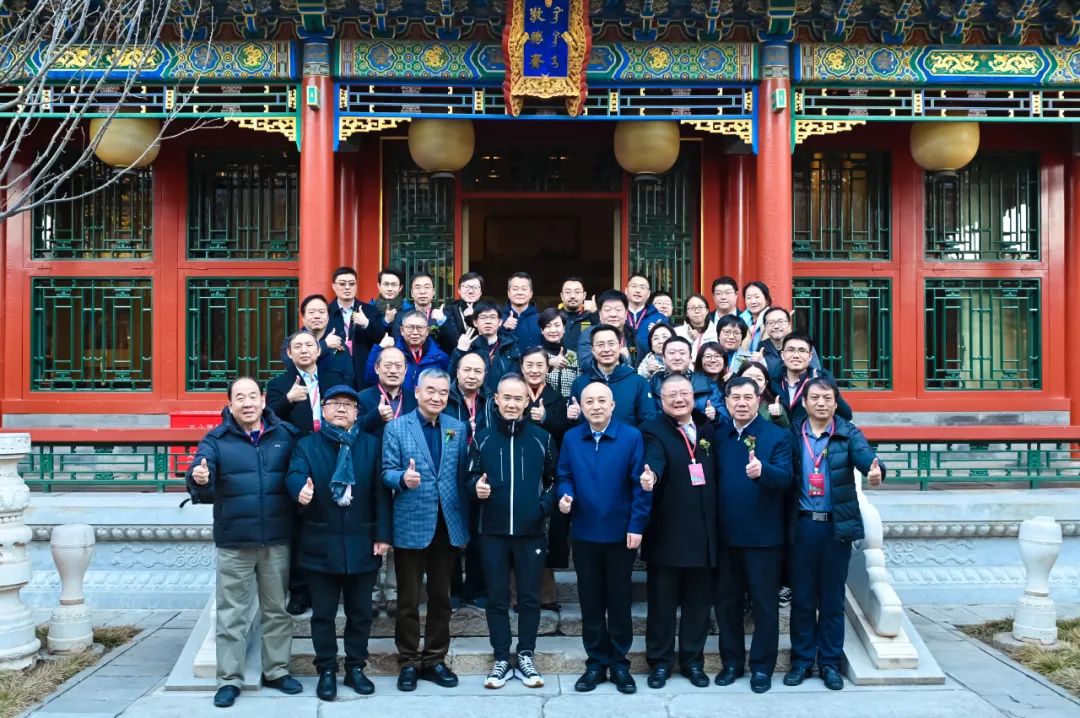
1074On December 20, 2021, the "Two-Year Summary Meeting of the Forbidden City Zero Waste Project," jointly organized by the Palace Museum and the Vanke Foundation, was held at the Forbidden City. Leveraging its deep expertise in carbon fields and industry-leading technological standards, Carbonstop was invited as a partner to provide carbon emission reduction calculations for waste sorting and green waste composting for the "Forbidden City Zero Waste" project. This collaboration aims to create a comprehensive and exemplary waste sorting project that integrates environmental behavior studies, industrial design, carbon emission reduction, and advanced waste sorting technologies.
"The Forbidden City Zero Waste" is a public welfare project jointly initiated by the Palace Museum and the Vanke Foundation on January 16, 2020. The project is divided into two phases: "Zero Waste Office" and "Zero Waste Tour" at the Palace Museum, aiming to transform the museum into an internationally leading zero-waste museum.

Representatives from government departments such as the Ministry of Civil Affairs, the Ministry of Ecology and Environment, and the Ministry of Culture and Tourism, along with representatives from various departments of the Palace Museum, project partners, and frontline staff, gathered together to discuss the new green future of the Forbidden City.
The meeting reviewed the achievements and experiences of the Forbidden City Zero Waste Project over the past two years, looking ahead to the deeper value and significance of the project under the important historical context of China's full commitment to achieving the "Dual Carbon" goals, reaffirming the determination to comprehensively advance the construction of a green Forbidden City.
In his opening remarks at the summary meeting, Wang Xudong, Director of the Palace Museum, mentioned that the museum has four major visions: becoming an internationally leading museum, a model for world cultural heritage protection, a leader in the integration of culture and tourism, and a cultural salon for the exchange and mutual learning of civilizations. All these visions are closely related to the Zero Waste initiative at the Forbidden City. By building a "zero-waste museum," not only does it distill the wisdom of ancient people, but it also integrates modern advanced environmental concepts, promoting domestic and international visitors to take action for the common destiny of humanity through the close integration of culture and tourism.

Opening Remarks by Wang Xudong, Director of the Palace Museum
Coinciding with the recent conclusion of the 26th United Nations Climate Change Conference (COP26), Wang Shi, Chairman of the Vanke Foundation, shared his insights and thoughts from the conference, emphasizing the importance of telling China's environmental stories and showcasing China's action capabilities. Wang believes that the Forbidden City, with an annual visitor count of 20 million, is a heavyweight museum whose influence extends beyond China to the world. The practice of the Forbidden City Zero Waste Project connects tradition and modernity, past and future, better educating people about the relationship between humans and nature, and between humans and materials, achieving twice the results with half the effort.

Speech by Wang Shi, Chairman of the Vanke Foundation
At this climate conference, initiatives of the Forbidden City Zero Waste Project, such as the "Fortune Ox Sculpture Made from Recycled Waste," "Forbidden City Zero Waste Cultural and Creative Products," and "Compost Flower Beds," were showcased in documentary form at the Chinese Corporate Pavilion, demonstrating the vitality of combining climate change response with Chinese traditional culture to an international audience.
Yan Hongbin, Deputy Director of the Palace Museum, shared the active and rich zero-waste actions taken by Forbidden City staff over the past two years. From the comprehensive construction of waste sorting infrastructure to enhanced zero-waste training and publicity campaigns like the Clean Plate Campaign, the "Zero Waste Office" and "Zero Waste Tour" initiatives have been steadily advanced in phases and steps, making "zero waste" a habit among everyone involved.
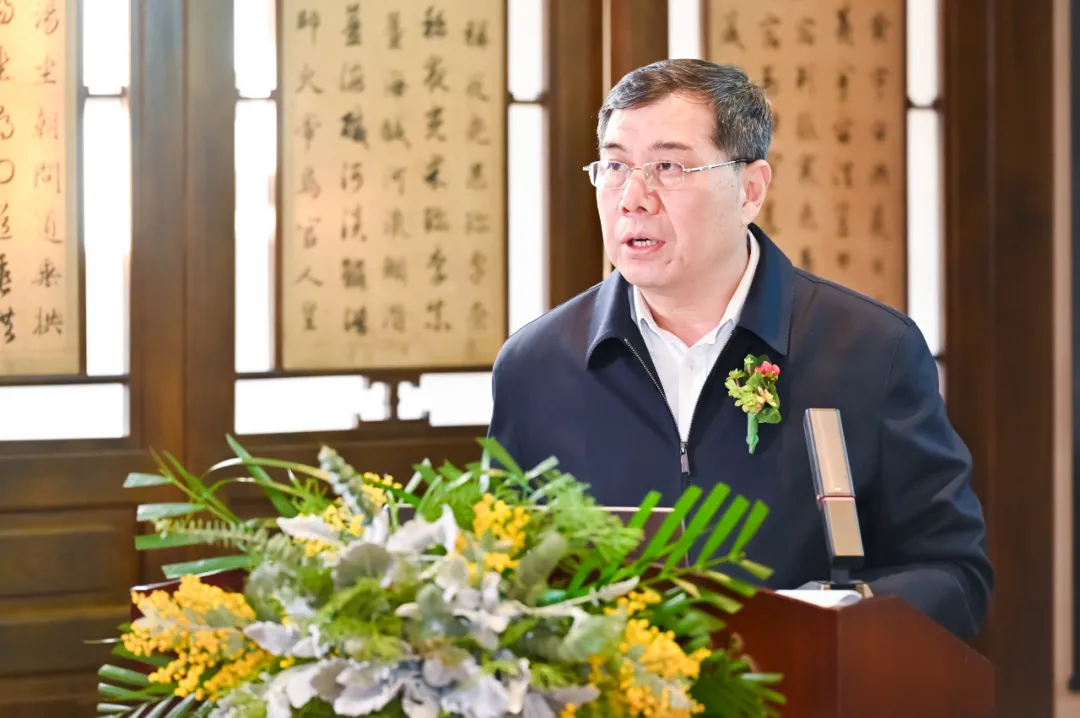
Speech by Yan Hongbin, Deputy Director of the Palace Museum
Chen Yimei, Secretary-General of the Vanke Foundation, reported on the outcomes of the Forbidden City Zero Waste project from 2020 to 2021. Over the two years, the average recycling rate at the Palace Museum reached 45%, the per capita waste reduction rate was 89.2%, and the total annual carbon reduction equivalent to the carbon sequestration capacity of 7,719 trees. The project has directly engaged approximately 3,000 staff members, 11 million visitors, and 40,000 tour guides in the joint efforts to build a green Forbidden City.
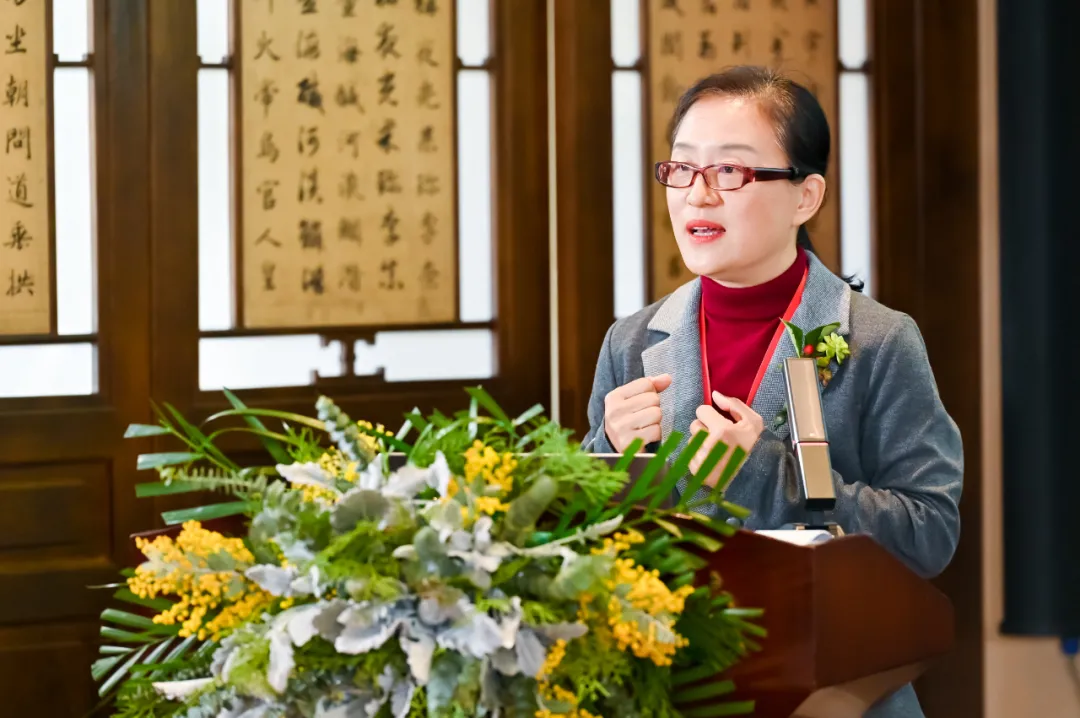
Speech by Chen Yimei, Secretary-General of the Vanke Foundation
In January 2021, the entire open area of the Palace Museum was equipped with new waste sorting bins, reducing the number from 310 sets to 110 sets, a decrease of nearly two-thirds. As a partner of the Forbidden City Zero Waste Project, Professor Zhuang Weimin, a member of the Chinese Academy of Engineering and professor at Tsinghua University's School of Architecture, shared the main findings of the "Research Report on Visitor Behavior Patterns and Environmental Quality Improvement at the Forbidden City." This report conducted environmental behavior studies on the visiting behaviors of Forbidden City visitors, providing scientific evidence and work recommendations for the "Zero Waste Tour."
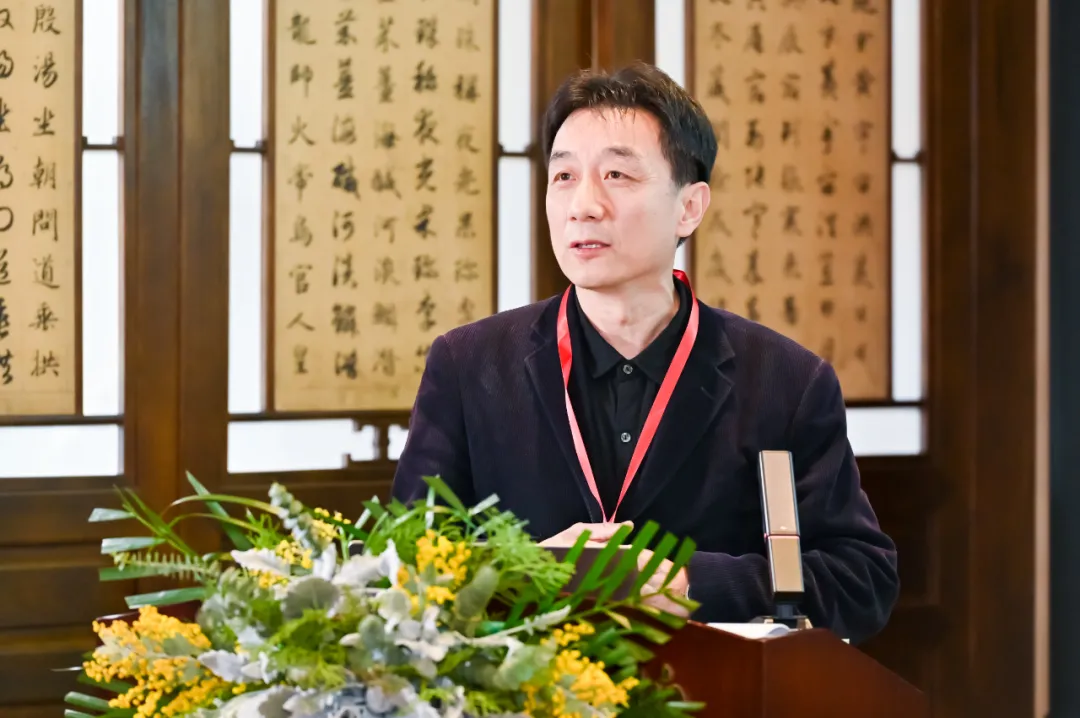
Speech by Professor Zhuang Weimin, Tsinghua University School of Architecture and Member of the Chinese Academy of Engineering
Professor Liu Hongli from the College of Resources, Environment, and Tourism at Capital Normal University analyzed the sustained influence of the Forbidden City Zero Waste project from historical and tourism perspectives.
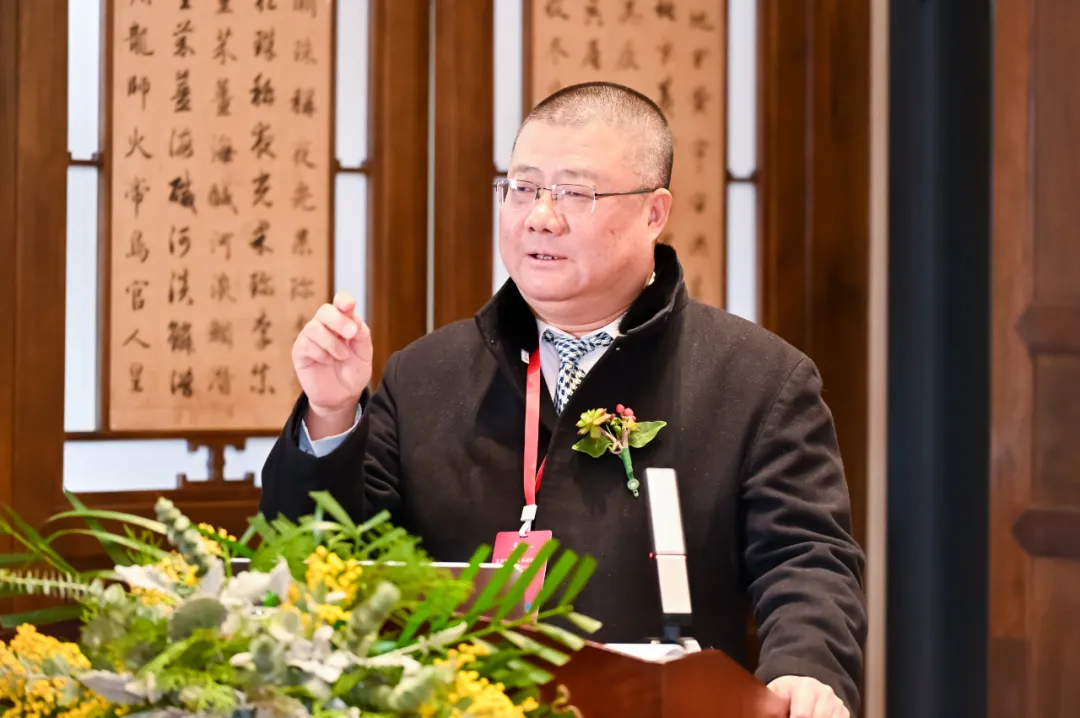
Speech by Professor Liu Hongli, College of Resources, Environment, and Tourism, Capital Normal University
The meeting also honored outstanding project personnel and employees, awarding them trophies with the "Zero Waste" logo and eco-friendly cultural and creative souvenirs made from recycled plastic bottles from the Forbidden City. It was noted that this promotional event was held in a zero-waste manner, with the maximum reuse and recyclability of event materials ensured.

Award Ceremony
Finally, the Palace Museum and the Vanke Foundation announced their intention to continue cooperation for another five years, further deepening and solidifying zero-waste practices and jointly advancing the construction of a green Forbidden City.