


 2416
2416
Start Carbon Reduction with Packaging
"Peak Carbon by 2030, Carbon Neutrality by 2060" are no longer just China's macro goals; they are being broken down into targets for every industry, every enterprise, even every factory, every product, and every piece of packaging material. For the food and beverage industry, emissions occurring in the supply chain (Scope 3) account for an average of 70–80% of total emissions, and for some companies, this can even exceed 90%. Within the value chain emissions of the food and beverage industry, packaging can account for 15-25% of upstream procurement emissions. Taking a common bottle of mineral water or soft drink as an example, the carbon footprint of its PET plastic bottle can constitute about 30%-40% of the product's entire lifecycle carbon footprint, while the packaging carbon contribution of a beer glass bottle can reach 40%-60%. This demonstrates that packaging is a significant component of a food company's value chain carbon footprint and has become a critical, non-negligible link in corporate carbon reduction efforts.
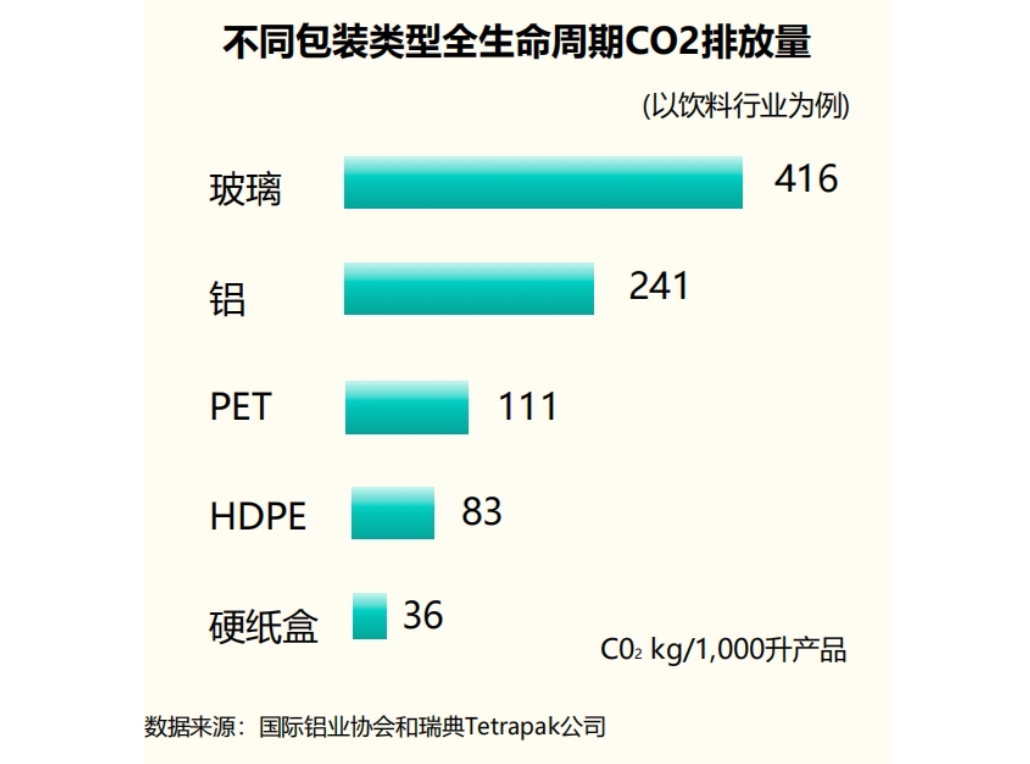
China's packaging industry is vast in scale, with the operating revenue of large-scale enterprises exceeding 2 trillion RMB for the first time in 2024. This immense industrial scale signifies that carbon reduction in the packaging segment is crucial for achieving the national "Dual Carbon" goals.

Three Forces from Policy, Consumers, and Brands Jointly
Drive Green Transformation in Packaging
Policy-driven: Regulations are becoming increasingly strict and clear.
In recent years, the EU and its member states have continuously intensified environmental regulation in the packaging sector. The latest revisions and implementations of the EU's Packaging and Packaging Waste Regulation (PPWR) and Germany's Packaging Act (VerpackG) have established a strict compliance framework covering the entire industrial chain, not only reshaping European packaging market rules but also having a profound impact on global export enterprises. Among these, the PPWR, as a key pillar of the EU's "Green Deal," requires establishing full lifecycle management for products, covering all stages from packaging design, production, and use to waste treatment. By 2030, all packaging must achieve economically feasible recyclable design, and a target is set to reduce overall packaging waste by 15% by 2030 compared to a 2018 baseline. Germany, as a core EU member state, aligns with PPWR implementation requirements and further refines localized compliance rules. Its core updates include phased increases in recycled material content, clarification of full-chain responsible entities, and strengthened penalties for violations.
Furthermore, China's packaging carbon reduction system is also becoming increasingly comprehensive. The establishment of the "1+N" Dual Carbon policy system with Chinese characteristics provides top-level design. Specialized policies such as Green Packaging Evaluation Methods and Criteria and Requirements for Restricting Excessive Packaging of Goods have been issued in the packaging field, promoting industry-wide transformation towards reduction, recyclability, and low energy consumption. Local governments are also actively promoting the low-carbon transition of the packaging industry. For example, Guangdong Province launched the Packaging Industry Green Transformation Action Plan, requiring full coverage of the green manufacturing system in key industries by 2025.
Consumer-driven: Environmental awareness translates into willingness to pay.
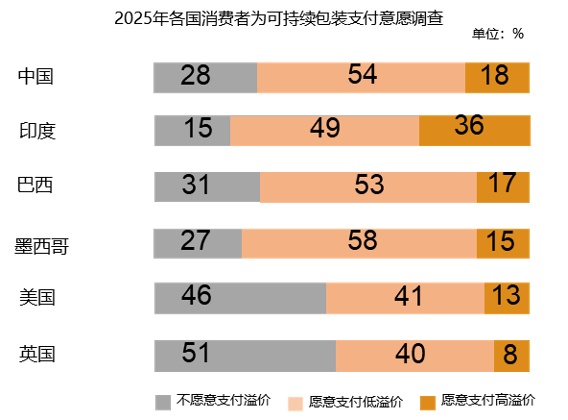
Consumer preference for low-carbon, environmentally friendly packaging is also significantly increasing. McKinsey's 2025 survey shows that consumer groups across regions are willing to pay a premium for sustainable packaging, with a small segment willing to pay an even higher premium. Young people and high-income groups are the main drivers, and willingness to pay is higher among populations in emerging markets, far exceeding that in developed countries.
Brand-driven: Creating a supply chain cascade effect.
As core players in the industrial chain, brand owners are transforming carbon reduction pressure into green driving forces. Some international FMCG brands are actively adopting packaging-related commitments and actions. Leading companies are incorporating carbon management into supply chain access standards, making green procurement mainstream and directly transmitting carbon reduction pressure upstream to packaging suppliers. For instance, Nestlé aims to achieve 100% reusable or recyclable packaging by 2025 and reduce virgin plastic use in packaging by one-third. L'Oréal has set targets to reduce the packaging intensity of its products by 20% by 2030 (intensity-based); and to use 100% recycled or bio-based plastics by 2030, eliminating the use of new plastics. Procter & Gamble has also declared that 100% of its packaging will be recyclable or reusable by 2030.

The Packaging Industry
is Moving Towards a Green Development Path
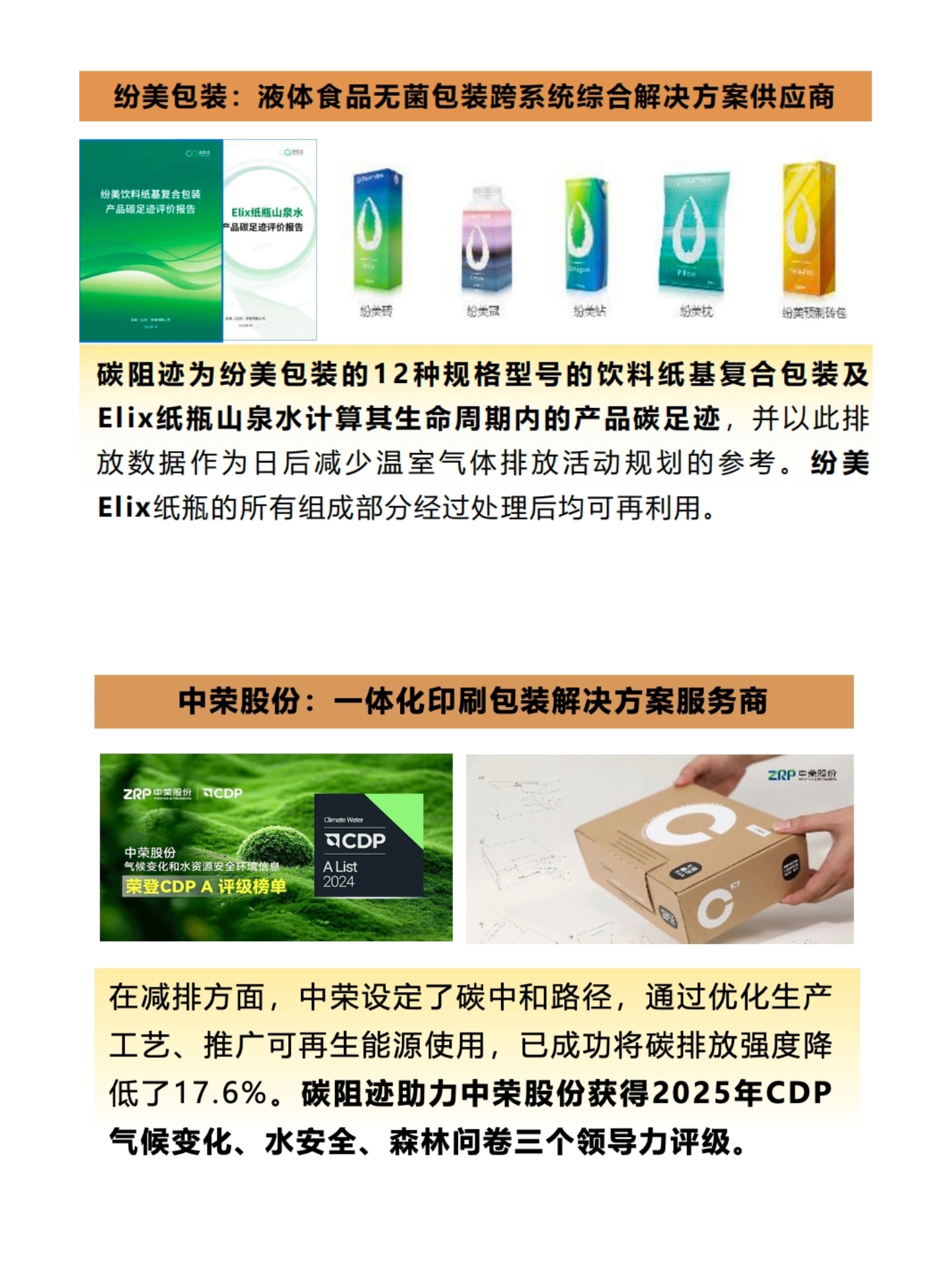
The role of packaging enterprises is shifting from mere suppliers to strategic green partners for their clients, driving systemic change from material innovation to circular ecosystems. In the future, packaging material suppliers will provide not just packaging, but product carbon reduction solutions. Leading packaging companies such as Fenmei Packaging, Zhongrong Co., Ltd., and Chia Shin Group have already taken proactive steps. Through practices like setting Science-Based Targets (SBTi), disclosing CDP questionnaires, and conducting packaging product carbon footprint accounting, they are integrating carbon reduction into their core corporate strategies, accelerating the industry's journey towards a sustainable future.

From Carbon Footprint to Carbon Neutrality:
Enterprises Need Advanced Carbon Management Methodology
Based on carbon footprint data from tens of thousands of products and practical corporate carbon management cases, Carbonstop has developed the CREOS methodology model. This helps enterprises transform "carbon reduction" from a slogan into a quantifiable, verifiable, and communicable closed loop, enabling packaging to embark on a carbon reduction journey from "cradle" to "rebirth."
C – Calculating: Understanding the Carbon Footprint of Packaging Products
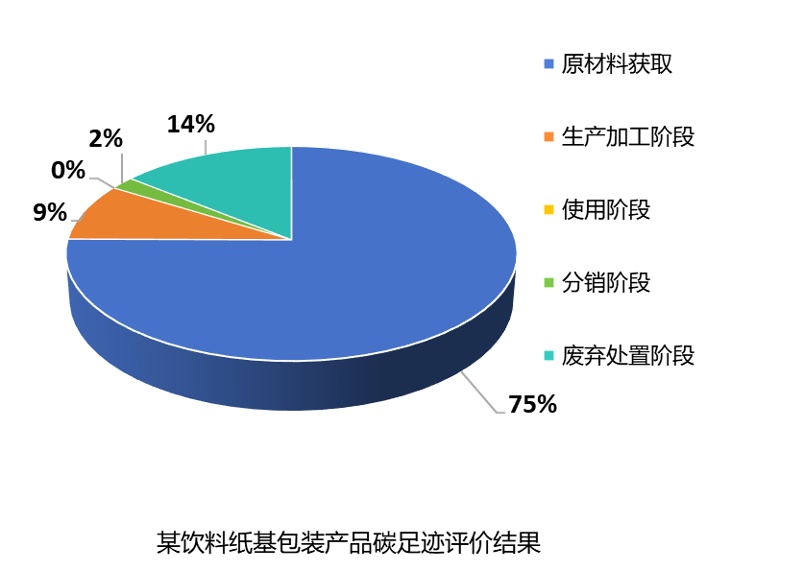
Carbon footprint refers to a metric that measures the total direct and indirect greenhouse gas emissions produced by a product throughout its entire lifecycle. The "cradle-to-grave" carbon footprint of a packaging product encompasses emissions across its full lifecycle: raw material acquisition, production and processing, transportation and distribution, consumer use, and final waste disposal. Within this complete chain, the raw material acquisition stage is often the largest source of carbon emissions. For example, for paper-based packaging, this stage can account for up to 75% of the total. Therefore, accurately accounting for raw material carbon emissions becomes a key breakthrough point for packaging carbon reduction.
Carbonstop's self-developed digital carbon footprint accounting tool, the Ccloud Carbon Cloud platform, not only efficiently quantifies the carbon emissions of packaging products but also empowers eco-design proactively. It enables enterprises to incorporate carbon emissions as a core consideration indicator at the initial product design stage. By simulating the carbon emission impacts of different materials, structures, and processes for quantitative comparison and optimization, it lays the foundation for a product's green genes even before its creation.
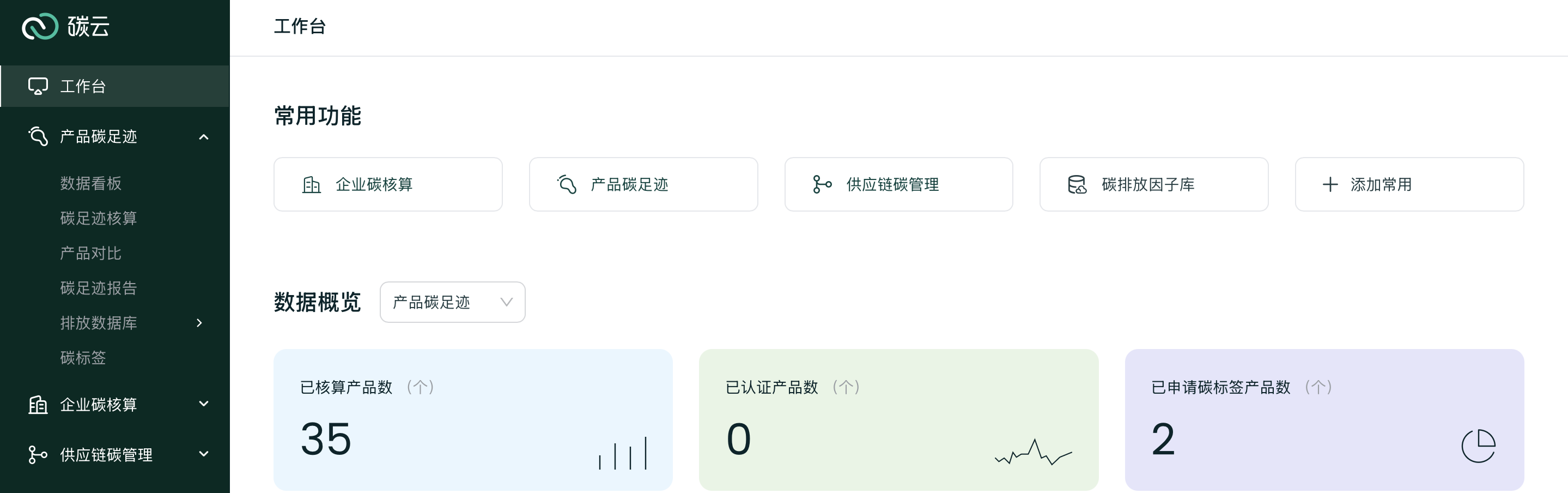
Carbonstop's self-developed digital carbon footprint accounting tool,
the Ccloud Carbon Cloud platform
R – Reducing: Reducing Carbon Across the Full Lifecycle of Packaging Materials
The value of contemporary packaging no longer lies solely in aesthetics, functionality, and quality. Low-carbon and environmental friendliness are becoming new dimensions for measuring standards, turning into a brand differentiator. This requires integrating low-carbon and sustainable concepts into the entire lifecycle, exploring product emission reduction potential through eco-design, green manufacturing, intelligent logistics, and circular systems to empower a sustainable future.
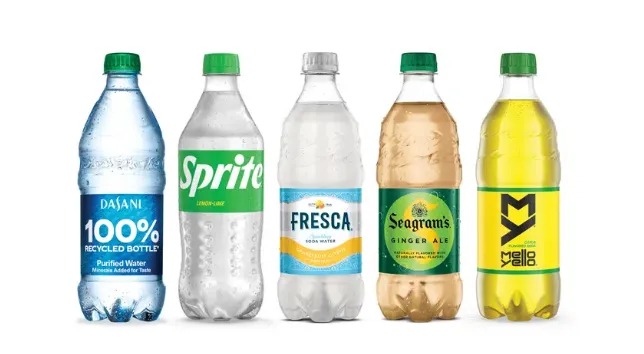
At the raw material stage, priority should be given to using renewable or recycled materials to reduce dependence on virgin resources, such as Post-Consumer Recycled (PCR) plastics, FSC-certified paper, etc. At the design stage, implement lightweighting, material reduction, and designs that facilitate separation and reuse to enhance circular utilization rates. Focus on energy efficiency improvements and clean energy substitution in the production phase, combined with digital management to achieve controllable emissions. Optimize transportation routes and loading efficiency, promote fleet electrification and decarbonization, and adopt models like green warehousing during distribution to reduce carbon intensity in the logistics segment. Reduce secondary packaging needs during the use phase and promote energy-saving behaviors through labeling. During the disposal phase, improve the closed loop through clear recycling guidelines, promoting packaging reuse systems, and consumer education.
Through collaborative carbon reduction across the entire chain, packaging enterprises can not only respond to the green demands of brand owners but also build core competitiveness in the era of carbon constraints, achieving a win-win for commercial value and environmental responsibility.
E – Engaging: Driving Supply Chain Collaborative Emission Reduction
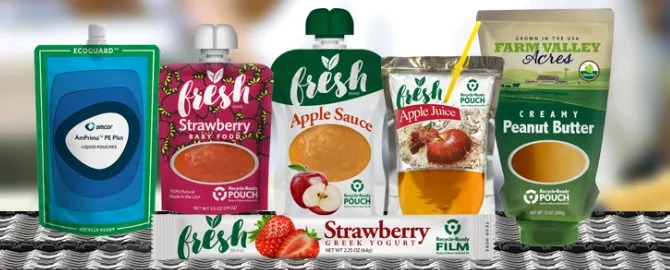
Supply chain collaborative emission reduction is a vital pathway to achieving low-carbon packaging. Since the carbon emissions of packaging products primarily originate from raw materials, enterprises must collaborate with upstream suppliers to jointly explore low-carbon materials and production technologies to truly reduce the product's overall carbon footprint. Taking Amcor as an example, its Scope 3 emissions (upstream and downstream value chain) account for about 85% of total emissions, with emissions from purchased raw materials constituting 70% of its total carbon footprint. Therefore, Amcor focuses on emission reduction cooperation with raw material suppliers and has formulated a series of supplier carbon management strategies. These include collecting specific emission factors from raw material suppliers, requiring suppliers to showcase emission reduction roadmaps, adjusting procurement strategies based on sustainability goals, requiring suppliers to commit to carbon reduction targets, and tracking supplier progress on emission reduction, thereby deeply driving Scope 3 emission reductions.
At the 2025 GCMC • China Carbon Management Forum themed "Breaking Boundaries • Reshaping New Corporate Momentum," Carbonstop released the Supply Chain Carbon Management White Paper. This white paper elaborates on the concepts, methods, and practical cases of supply chain carbon management, providing systematic guidance for enterprises to undertake supply chain carbon management in complex environments and assisting them in achieving a leap from point-based emission reduction to full-chain collaboration.
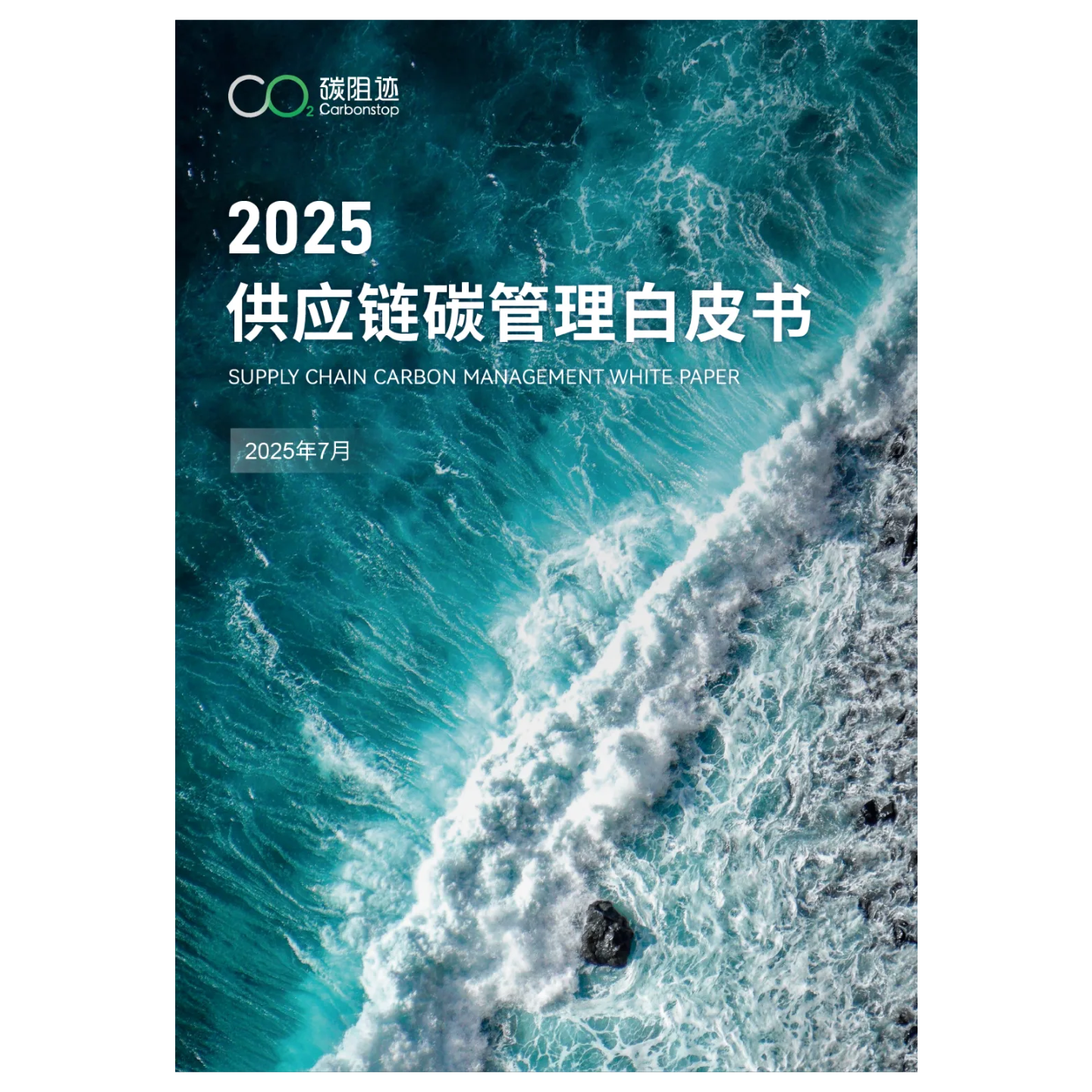
the Supply Chain Carbon Management White Paper
O – Offsetting: Creating Carbon-Neutral Products
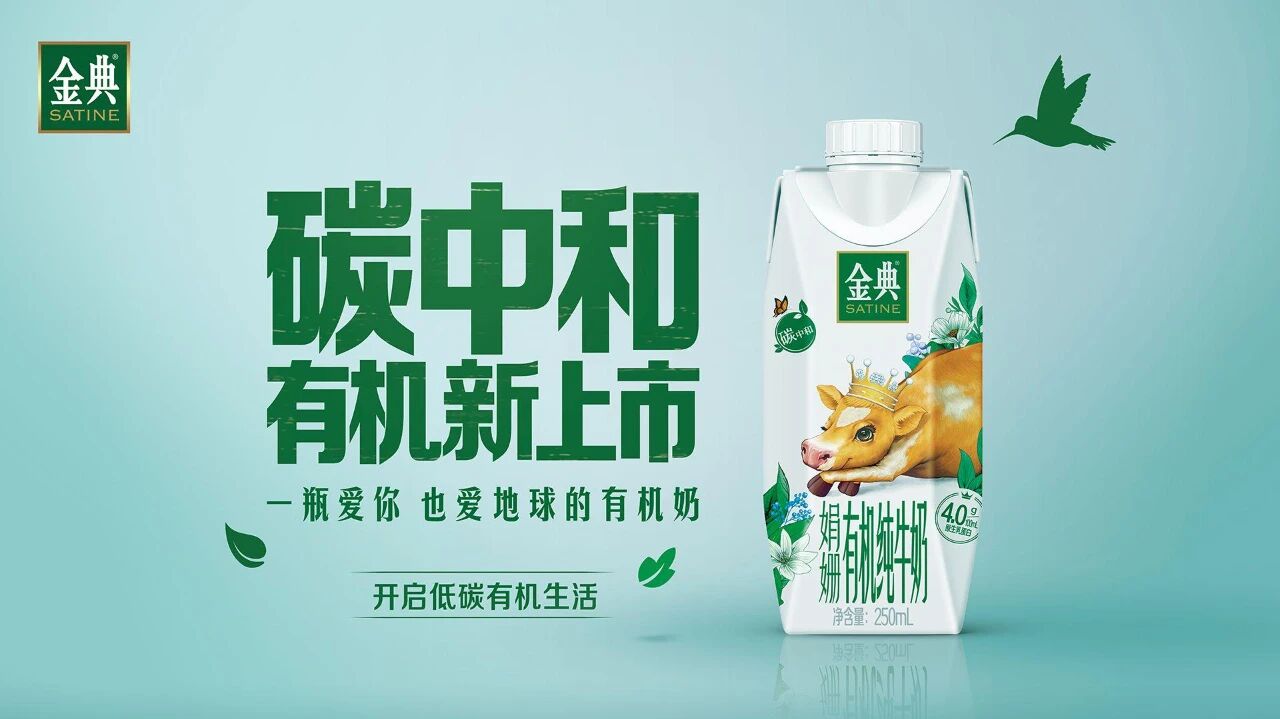
Creating carbon-neutral products is a proactive commitment by enterprises to fulfill climate responsibility. By purchasing high-quality carbon credits to offset product carbon emissions, it not only endows brands with environmental competitiveness but also allows consumers to conveniently participate in global carbon reduction actions. For instance, Yili offers consumers multiple "carbon-neutral" products. In 2022, it launched the industry's first carbon-neutral Jersey organic milk – Jindian Jersey Organic Pure Milk. For this product, packaging continues to use FSC-certified paper packaging and plant-based bottle caps made from renewable sugarcane as raw materials. Combined with clean energy substitution and carbon credit purchases, carbon neutrality was ultimately achieved. Carbonstop provided professional support for this product to achieve carbon neutrality.
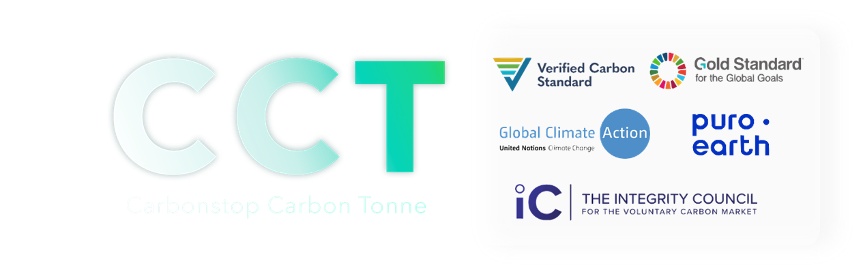
In 2025, Carbonstop launched its high-quality carbon credit portfolio product, CCT (Carbonstop Carbon Tonne). Through strict quality control and prudent due diligence on projects, it helps clients reduce carbon credit procurement risks and meets the carbon credit quality requirements of clients with different carbon neutrality goals.
S – Spreading: The Carbon Story on Packaging
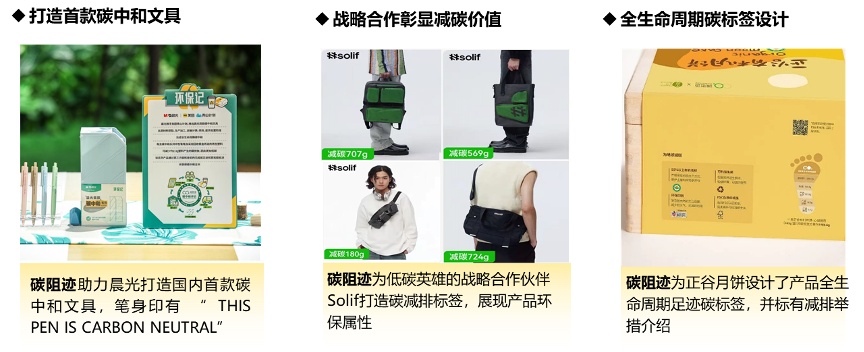
Packaging itself is the medium closest to consumers. Low-carbon narratives through carbon labels, AR code scanning, and other methods can effectively convey green, low-carbon information to consumers.
Furthermore, the research project Research on Key Technologies for Digital and Intelligent Management Platforms for Product Carbon Footprint Labeling and Certification in Typical Fields, submitted by Carbonstop for application, received official approval and was successfully established as a project by the Certification and Accreditation Research Center of the State Administration for Market Regulation. This injects strong technological power and provides solid support for China's product carbon footprint labeling and certification work.

Strong Partnerships
to Drive Industry Low-Carbon Transition
At the Howthink • "Linking" the Green "Era" – Food Supply Chain Emission Reduction Seminar held on November 27, 2025, guests including Zhang Jiaxun, Deputy Director of Carbon Management at Carbonstop; Zhu Jindie, Cold Chain Logistics Manager for New Retail Business in the Fulfillment Service Department of Mengniu's Low-Temperature Division; and Wang Sijia, Representative from Starbucks China Government Affairs and Social Impact Department, engaged in an in-depth dialogue on the practical pathways for leading enterprises in food supply chain emission reduction. The three guests shared innovative practices and systematic thinking on supply chain emission reduction from multiple perspectives – consulting firm, dairy enterprise, and foodservice/retail enterprise – systematically outlining the current status, challenges, and solutions for food supply chain emission reduction, providing comprehensive guidance for advancing the green and low-carbon transformation of the agri-food system.

Regarding practical cases, Zhang Jiaxun shared the innovative practice of Mengniu's Youyi C no-label environmentally friendly bottle. By removing plastic labels and optimizing packaging material structure, Mengniu achieved a reduction of nearly 50% in packaging carbon footprint. Additionally, the sustainable solution for Starbucks' mooncake gift boxes is noteworthy. Starbucks transforms waste plastic bottles into scarf material through action, embodying the concept of circular development. She emphasized that as the "first advertising space" facing consumers, green and sustainable packaging is gradually becoming an important medium for enterprises to communicate low-carbon concepts. Looking ahead, deep decarbonization will be both a challenging policy hurdle causing headaches for many enterprises and a vast vein of market opportunity.
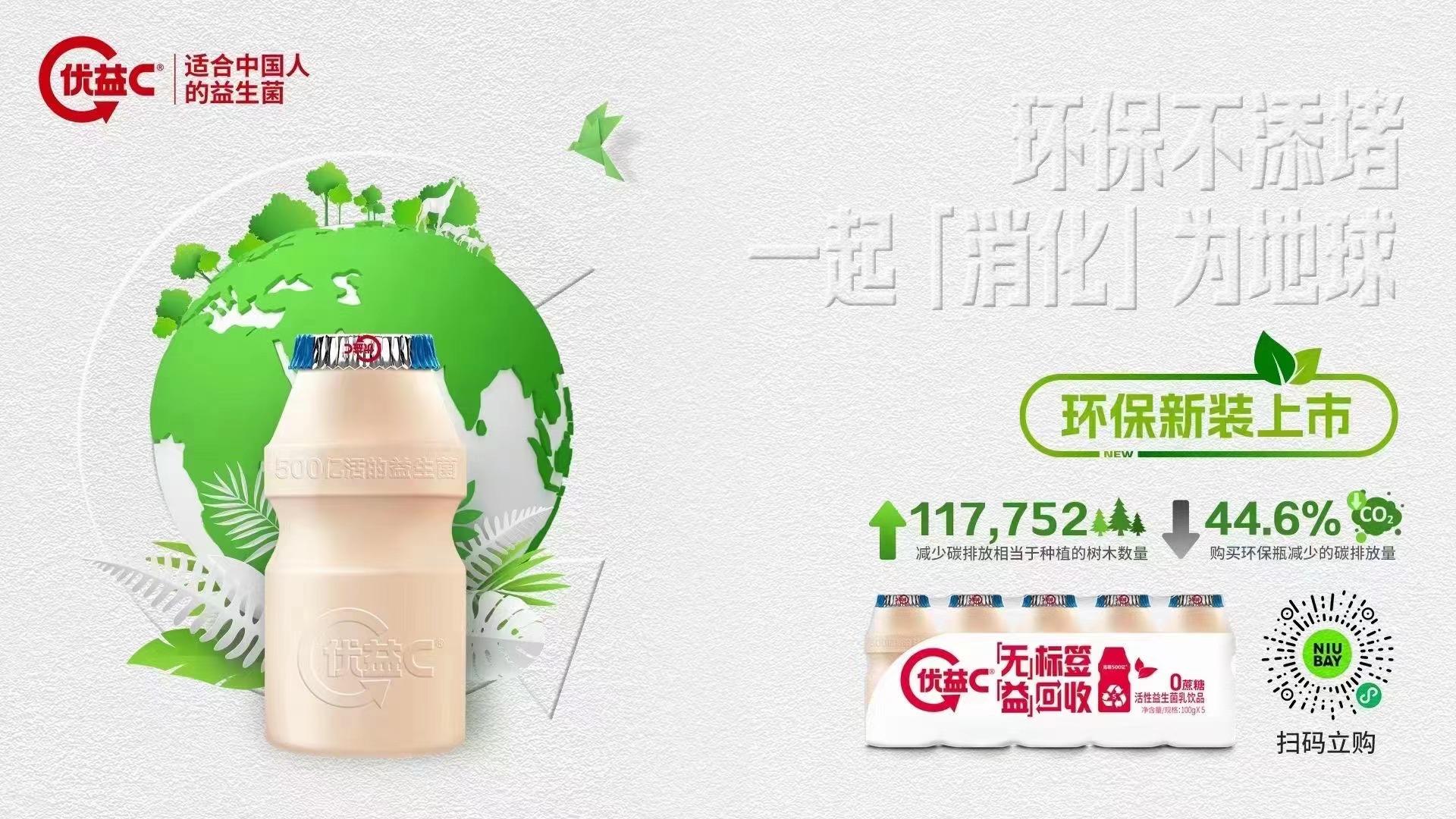
Carbonstop provided scientific carbon reduction accounting for the environmentally friendly,
no-label version of Youyi C.

Carbonstop provided the emission reduction calculation for this packaging and assisted in its content innovation,
translating the emission reductions into more easily understood concepts.
Food Packaging Carbon Reduction: Start Now


