


 523
523For many companies, carbon accounting starts as a compliance task. It begins with emissions reporting, customer questionnaires, or pressure from regulations like CBAM, CSRD, or supplier disclosure requests. We see this every day in the market. But we also see something more important: the companies gaining long-term value from sustainability are not treating carbon accounting as an endpoint. They are treating it as the operating foundation for decarbonization, supply chain resilience, and smarter business decisions.
That is why enterprise carbon strategies are changing. What was once a reporting exercise is becoming a management discipline. What was once spreadsheets and fragmented data is moving into integrated Carbon Management Platform systems and scalable carbon accounting automation. In our work with global enterprises, we have seen this shift firsthand: companies that move beyond measurement into action build stronger competitive advantage. That is where modern enterprise carbon accounting begins.
Carbon Accounting Alone Does Not Reduce Emissions
Measuring emissions matters, but measurement itself does not reduce a single ton of carbon.
Many organizations still approach carbon inventories as annual reporting projects. They calculate Scope 1 and Scope 2, estimate part of Scope 3, produce disclosures, and stop there. This approach may satisfy compliance, but it rarely improves operational performance.
The real question is not how much did we emit last year? It is what will we do with this data next?
This is why leading companies are investing in carbon accounting platform capabilities that move beyond reporting into management.
A mature carbon program often evolves through these stages:
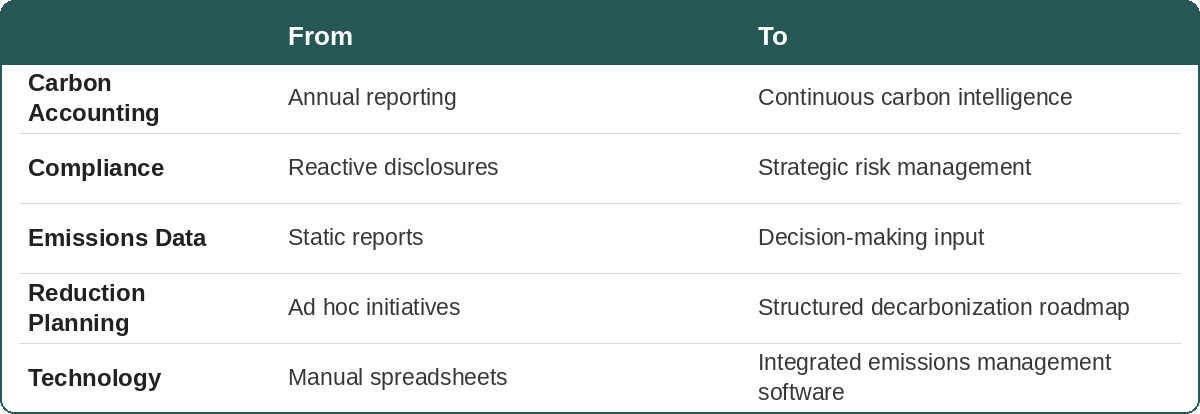
According to CDP supply chain data, suppliers engaged on climate issues can identify significantly more emissions reduction opportunities than companies acting alone. That is one reason Scope 3 emissions management is becoming a board-level priority.
Carbon data should reveal hotspots.
Carbon data should support procurement decisions.
Carbon data should help prioritize abatement investments.
Otherwise, accounting stays accounting.

Why Carbon Accounting Is Becoming the Foundation of Carbon Management
We often tell clients that carbon accounting is where carbon management begins.
Once emissions are measured reliably, businesses can move toward:
• Reduction planning
• Carbon target setting
• Supplier engagement
• Product footprint optimization
• Climate risk management
• Transition strategy
That is where a Carbon Management Platform changes the conversation.
Instead of managing emissions through disconnected tools, companies can connect activity data, emissions factors, reduction projects, and reporting workflows into one system. This is why many enterprises are moving toward carbon management software and broader enterprise decarbonization platform models. They are not buying software simply to report. They are building infrastructure for managing carbon as seriously as they manage cost, quality, or risk. This shift is especially visible in hard-to-abate sectors.
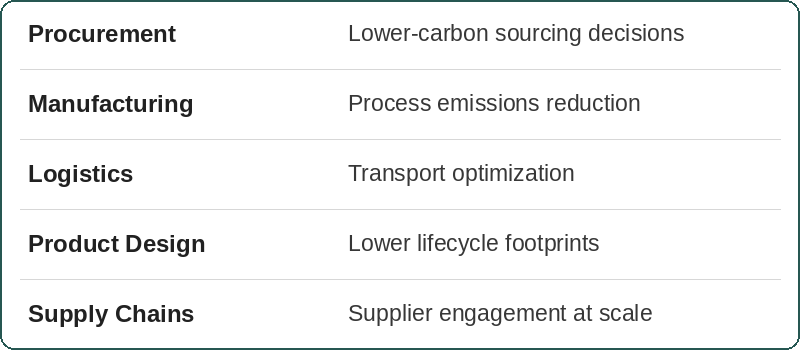
This is where supply chain carbon management moves from ESG ambition to operational execution.
Why Scope 3 Is Changing Enterprise Carbon Strategy
For many companies, over 70% of emissions may sit in Scope 3. In some sectors, it can exceed 90%.
That means the biggest carbon opportunities often sit outside direct operations. This is why Scope 3 emissions management has become central to enterprise decarbonization.
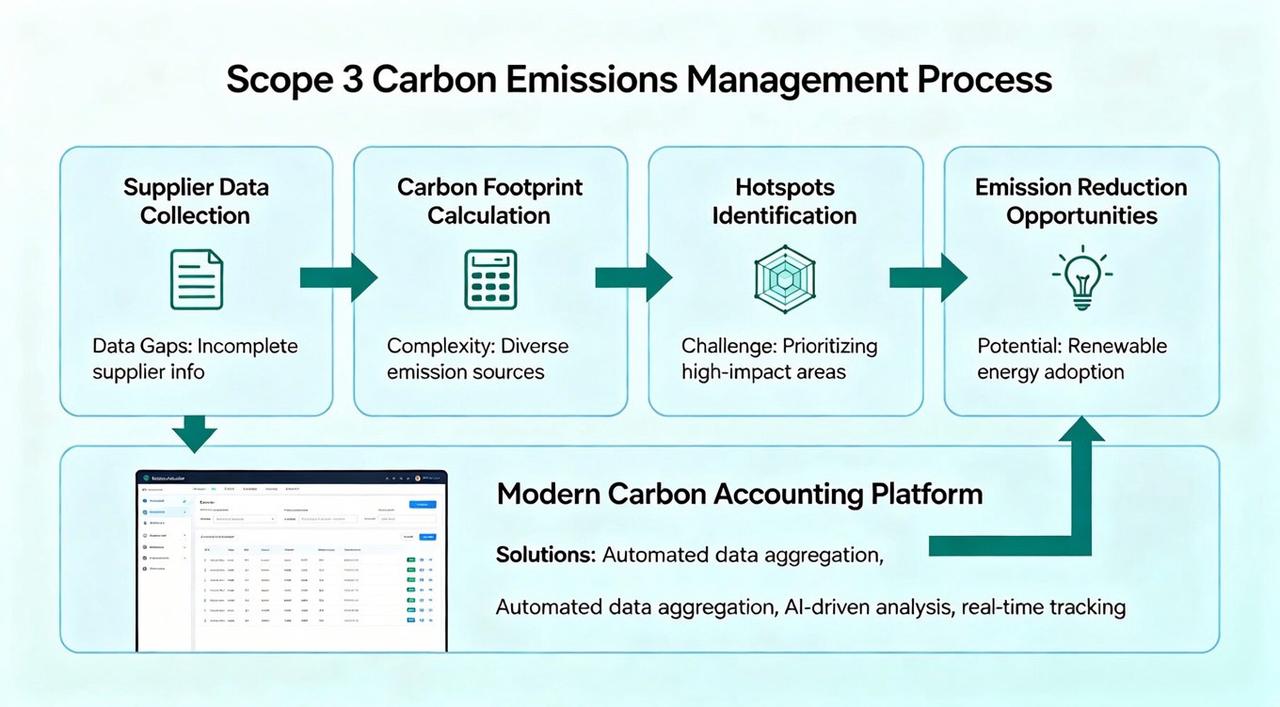
But Scope 3 is difficult:
• Supplier data gaps
• Inconsistent methodologies
• Poor data quality
• Limited engagement tools
This is exactly where modern carbon accounting platform capabilities matter.
With stronger carbon accounting automation, companies can improve supplier data collection, calculate hotspots faster, benchmark performance, and identify reduction opportunities across value chains. And increasingly, customers expect it. Global buyers are no longer only asking whether suppliers disclose emissions.
They want to know:
• Can suppliers support product carbon footprint data?
• Can they support lower-carbon sourcing?
• Can they support transition goals?
This is why supply chain carbon management is becoming commercial strategy, not just sustainability strategy.

From Carbon Data to Product Competitiveness
Another major shift we see is product-level carbon management. Carbon accounting used to focus heavily on corporate inventories. Today product-level data is becoming equally strategic. Especially for exporters facing:
• CBAM readiness
• Digital product passport requirements
• Low-carbon procurement standards
• Product sustainability claims
This is where product carbon footprint software is becoming critical. Companies increasingly use product-level emissions data to:
• Improve product design
• Reduce embodied carbon
• Support customer tenders
• Strengthen export competitiveness
This is no longer theoretical. It is affecting revenue. A strong enterprise decarbonization platform should support both organizational accounting and product footprint intelligence. That combination is becoming a differentiator.
Why Companies Are Moving Beyond Basic Tools
We are seeing more buyers asking not whether they need software, but what is the best carbon accounting software for enterprise-scale needs. That is the right question. Because not all tools support enterprise complexity.
When evaluating emissions management software, we typically suggest looking for these capabilities:
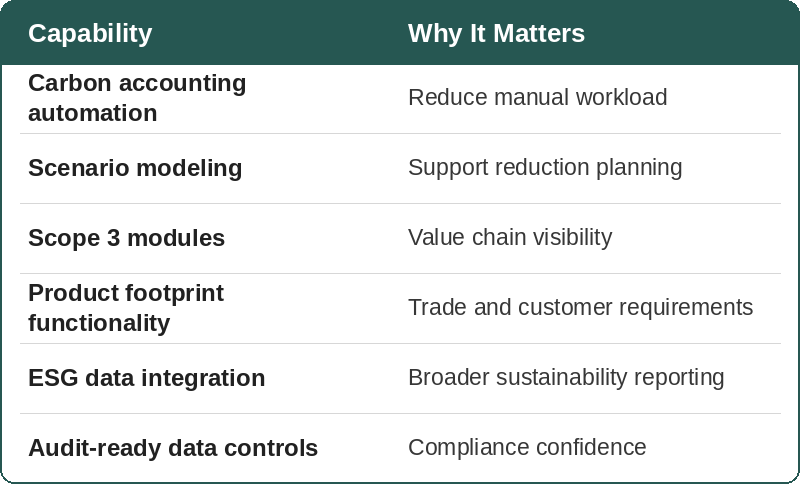
This is where standalone calculators often fall short. Companies increasingly need an integrated ESG data management platform linked with carbon management. That is a different category than basic reporting software. It is why the market is shifting toward enterprise-grade Carbon Management Platform solutions.
Carbon Accounting Is Becoming a Value Creation Tool
This may be the biggest change of all. Carbon accounting used to be framed as cost. Now many companies use it to unlock value. We see it in:
• Operational efficiency
• Lower supply chain risk
• Customer preference
• Access to green finance
• Market differentiation
This is why the best enterprise carbon accounting programs no longer sit only within compliance teams.
They increasingly involve procurement, finance, operations, and product teams. That changes the outcome. Because decarbonization stops being a reporting obligation. It becomes business strategy. And this is where carbon management software creates value far beyond reporting.
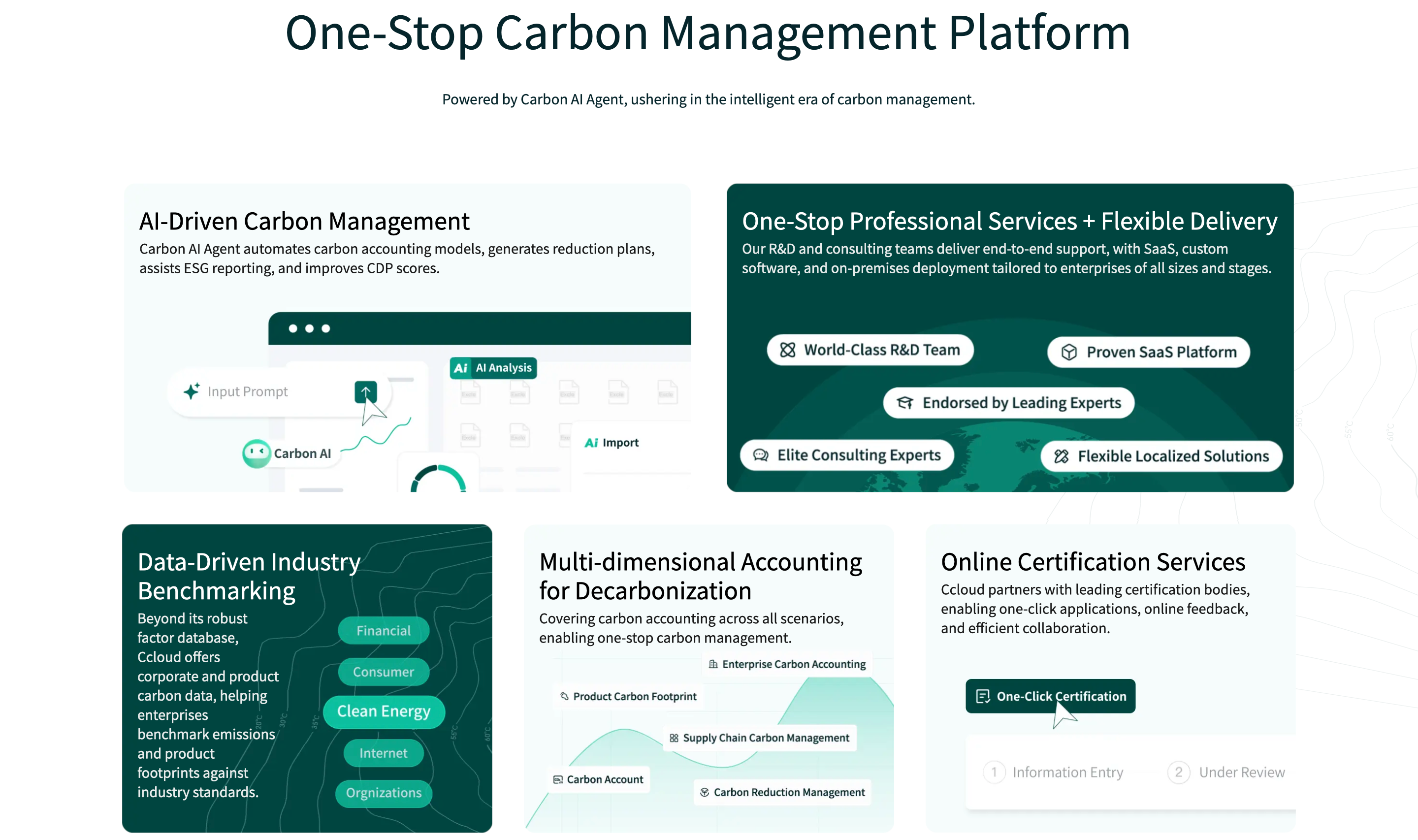

What Companies Should Look for in a Carbon Management Platform
If carbon accounting is the starting point, technology choices matter. When evaluating a Carbon Management Platform, we suggest asking practical questions: Can it support both organizational and product footprints? Can it scale across global suppliers? Can it support Scope 3 emissions management? Does it combine ESG data management platform functionality with carbon workflows? Can it support reduction planning, not just reporting? Can it integrate into ERP and operational data?
These questions matter because software decisions today often shape carbon maturity for years. The right best carbon accounting software should not simply help you measure emissions. It should help you manage and reduce them. That is a different standard.
Why We Believe Carbon Accounting Is Only the Beginning
We believe the market is entering a new phase. The winners will not be the companies that report the most. They will be the companies that act on carbon data fastest. That is why we see growing demand for integrated enterprise decarbonization platform solutions, stronger carbon accounting automation, and scalable emissions management software. The conversation is moving from “How do we report carbon?” to “How do we use carbon intelligence to improve business performance?” That is a much bigger opportunity. And that is why carbon accounting is not the finish line. It is the starting point.
For companies looking to move from measurement to action, we help build that bridge through integrated software, consulting, and scalable carbon management solutions designed for enterprise transformation.

Talk to Us About Your Carbon Management Roadmap
Whether you are evaluating a carbon accounting platform, exploring product carbon footprint software, or looking for a scalable Carbon Management Platform for global operations, we can help assess your needs and design the right path forward.
Contact Carbonstop to discuss your carbon management goals, request a tailored demo, or explore solution pricing for your business.
Frequently Asked Questions
How much does a Carbon Management Platform typically cost?
Pricing depends on company size, reporting boundaries, supplier coverage, and software modules needed. Enterprise solutions are usually scoped based on users, emissions complexity, and implementation support. We typically recommend a needs assessment before quoting.
How long does enterprise carbon accounting implementation take?
A standard enterprise carbon accounting deployment may take several weeks to several months, depending on data readiness, system integration, and Scope 3 complexity. Phased rollouts are common.
Can carbon management software integrate with ERP and procurement systems?
Yes. Mature carbon management software and ESG data management platform solutions often connect with ERP, procurement, and operational systems to automate data collection and improve reporting quality.
Do you support supply chain carbon management and Scope 3 supplier engagement?
Yes. Many companies use our solutions for supply chain carbon management, supplier data collection, Scope 3 modeling, and reduction collaboration programs.
What support is available after implementation?
Post-implementation support often includes technical support, methodology updates, training, emissions factor updates, and optimization services. Ongoing support is critical for long-term value.


