


 1329
1329Typhoons, heavy rains, and prolonged droughts.
Have you noticed that extreme weather events, once described as “once-in-a-century,” seem to be occurring more frequently in recent years?
In 2023, global temperatures continued to break records, with Beijing experiencing its hottest June on record, marking the first time temperatures exceeded 40 degrees Celsius for two consecutive days. In 2022, the Yangtze River Basin suffered the worst heatwave and drought since 1961, with the largest freshwater lake in China, Poyang Lake, nearly disappearing, leaving behind only a patch of barren land visible on satellite maps. The catastrophic floods in Zhengzhou in 2021 are still fresh in memory, and this August, Beijing was hit by another severe downpour.
The mastermind behind all these events is global warming.
On December 12, 2015, the Paris Agreement was adopted, aiming to limit global average temperature rise to well below 2°C above pre-industrial levels and to pursue efforts to limit the temperature increase to 1.5°C. In reality, from the late 19th century to now, the global average temperature has already increased by 1.2 degrees compared to pre-industrial levels.
You might think that a 1 or 2-degree increase is just a small number with little perceptible impact if you are sitting in an air-conditioned room reading this article. However, this mere 1.5 degrees can increase the frequency of extreme weather events by nine times compared to pre-industrial levels! A 2-degree increase could determine the fate of the Earth, likely becoming a survival issue that humans will need to address for decades, if not centuries, to come.
The primary cause of global warming is carbon emissions.
01
Marine Plastic Waste = Earth's Thermal Underwear?
Human activities continuously impact the carbon cycle. The so-called "dual carbon goals" aim to control human-induced carbon emissions so that they balance with the amount of CO2 absorbed by the environment.
When it comes to parts of the environment that can absorb CO2 (land, atmosphere, and oceans), we often think of the former two first, as if the vast and mysterious oceans of this blue planet can endlessly accommodate all consequences of human actions. However, it is precisely because of their vastness and depth that everything absorbed over the past few centuries has been silently waiting for the right moment.
Compared to the surface and atmosphere, the oceans store much more CO2. About one-third of the CO2 emitted by humans each year is absorbed by the oceans. Over time, this portion of CO2 is stored for long periods in the relatively stable marine ecosystem.
However, the natural process of the oceans absorbing CO2 from the land surface and atmosphere is extremely slow. When the ocean environment is polluted and human carbon emissions increase, even the most accommodating ocean will eventually reach its limit.
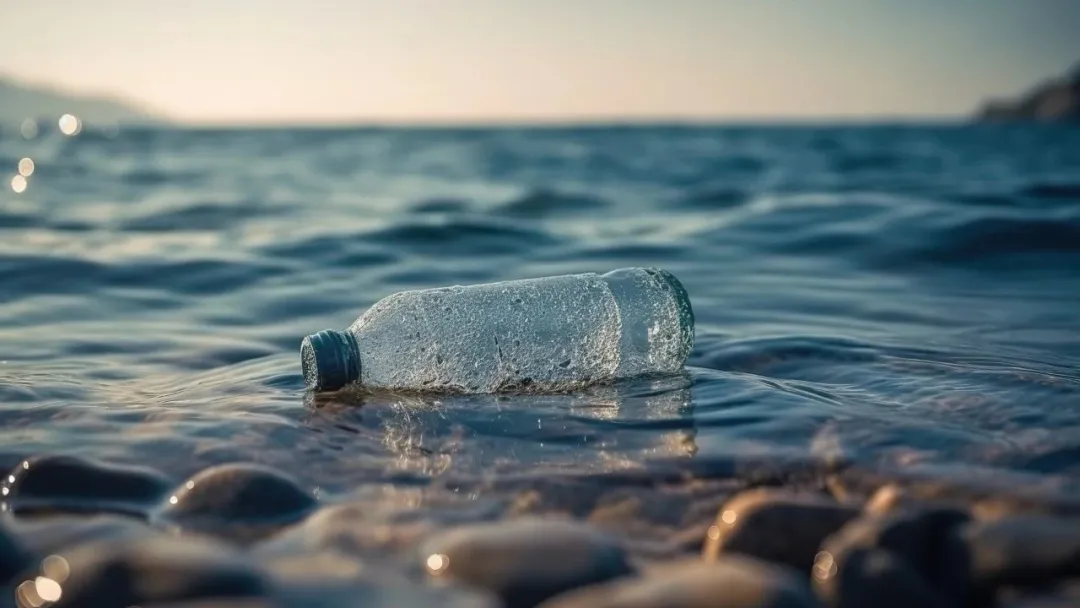
Therefore, besides the well-known impacts of marine debris on the aesthetics of the marine environment and the safety of animals and even humans, marine debris is also a significant factor contributing to global warming.
Currently, plastic waste in the Pacific Ocean alone covers more than three million square kilometers, equivalent to ten times the area of Japan.
In the June 2018 issue of National Geographic, a cover photo depicted an iceberg floating on the sea, which turned out to be a giant white plastic bag submerged in the ocean. According to a report published by the United Nations Environment Programme (UNEP) in 2021, plastic waste accounts for 85% of marine debris. By 2040, the amount of plastic waste entering the ocean is expected to nearly triple, reaching 23 to 37 million tons, equivalent to 50 kilograms of plastic per meter of coastline worldwide.
02
Fashion: The Culprit Behind Marine Pollution?
In recent years, the fashion industry has become one of the main sources of marine plastic pollution. It is estimated that globally, 500,000 tons of microplastic fibers are released into rivers and oceans annually from washing clothes made of synthetic materials like polyester and nylon, equivalent to 50 billion plastic bottles.
Many people may not fully grasp how much pollution a single piece of clothing can cause.
In fact, most of the clothes we wear are made from synthetic fibers (or blends with cotton threads), which are primarily derived from petroleum and are essentially plastic fibers. These long fibers are woven together to produce textiles.
The carbon emissions from producing synthetic fibers are already two to three times higher than those from producing cotton. More alarmingly, these plastic particles are not biodegradable. During everyday use and washing, these fabrics shed plastic microfibers, ultimately releasing thousands of them into lakes or oceans. A report published by the International Union for Conservation of Nature (IUCN) in 2017 indicated that approximately 35% of the plastic particles in the oceans come from washing polyester clothing.
Moreover, as the global economy continues to develop, clothing and accessories have become cheaper, and consumers are willing to spend more money on additional items. The fashion industry produces over 100 billion garments annually, equivalent to about 14 pieces per person on Earth, doubling the number produced two decades ago. Excessive fashion consumption has extended carbon emissions and marine pollution from factories to seaports. According to Carbonstop's "Fei Ant Environmental Recycling Emission Reduction Report" published in July 2020, recycling and processing 1 kg of used clothing can reduce 5.35 kg of carbon emissions.
It turns out that the shiny decorations we wear hide dark secrets, and our everyday outfits are also significant contributors to global warming.
03
Taming the Culprits of Marine Pollution? This Fashion Is Truly High-End!
Fortunately, more and more people are beginning to recognize these issues. In recent years, many fashion brands have started using eco-friendly materials. These materials are not only biodegradable and non-polluting but are even made from recycled plastic bottles. 「BOTTLOOP」, founded in 2019, draws inspiration from Laozi's "Tao Te Ching" with the phrase "see simplicity, embrace purity, reduce selfishness, and minimize desires," launching a brand that combines traditional Chinese environmental philosophy with modern youth culture.
Carbonstop collaborated with BOTTLOOP to launch co-branded T-shirts and tote bags made from RPET fabric created from recycled beverage bottles, tracing the entire process from bottle recycling to fabric production to quantify the emission reductions.
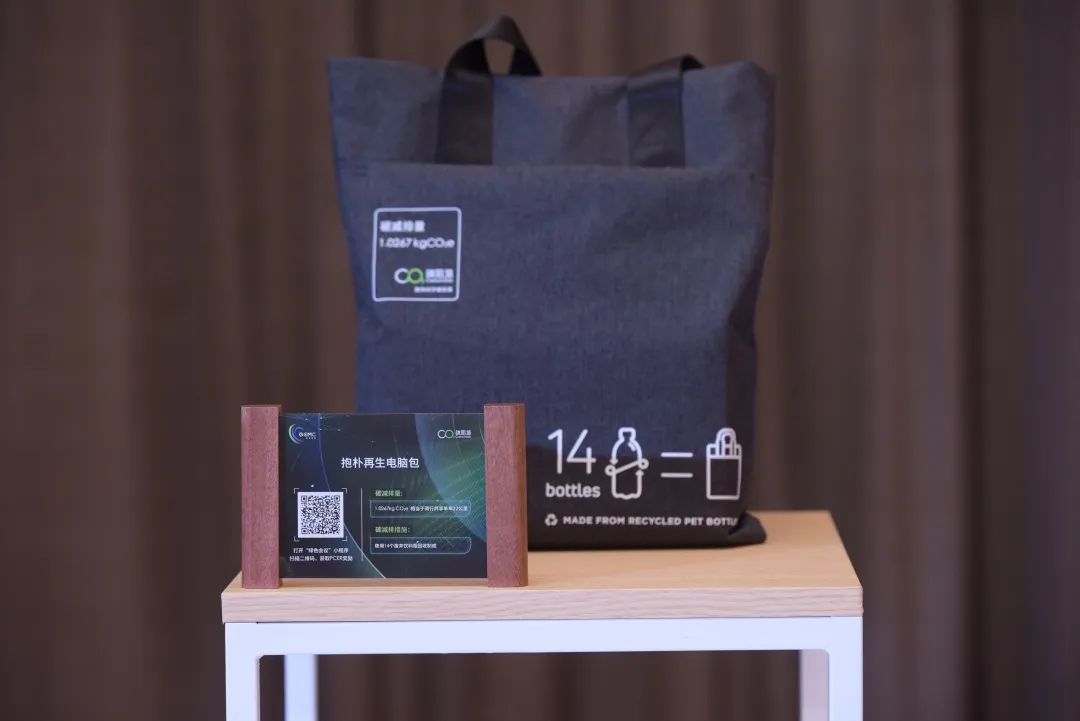
To offer more choices, Low Carbon Hero is continuously seeking new products that align with our values.
Today, we introduce the new eco-trendy bag 「hashtagsolif」, made from washed paper and wrapped with natural fiber pulp. The lining and accessories of the bag are made from Oxford fabric regenerated from recycled plastic bottles, giving new life to waste materials. Successfully taming the culprits of marine pollution, these bags are both primitive and sophisticated.

We know that environmental and sustainable fashion belong to no particular identity.
If you happen to need a commuting bag, and you like its "old-fashioned" and "modern" styles, and if you have a friend who can't resist picking up plastic water bottles from the beach, and if you want to contribute to sustainable consumption, we have secured the lowest price available online for you.
As a new platform for green consumption, Low Carbon Hero is committed to offering the hottest modular bags and cylindrical bags at super-low prices, ensuring that those who truly need them can own them.
If you want to explore more products, visit Low Carbon Hero and choose the purest and most fashionable item that suits you.
If you don't need anything, we strongly encourage the principle of "buy only what you need" to reduce unnecessary waste.
Regardless, we welcome you to share this information, spreading the word about these eco-friendly and carbon-reducing products to more people, ensuring that those who need them can own them.


