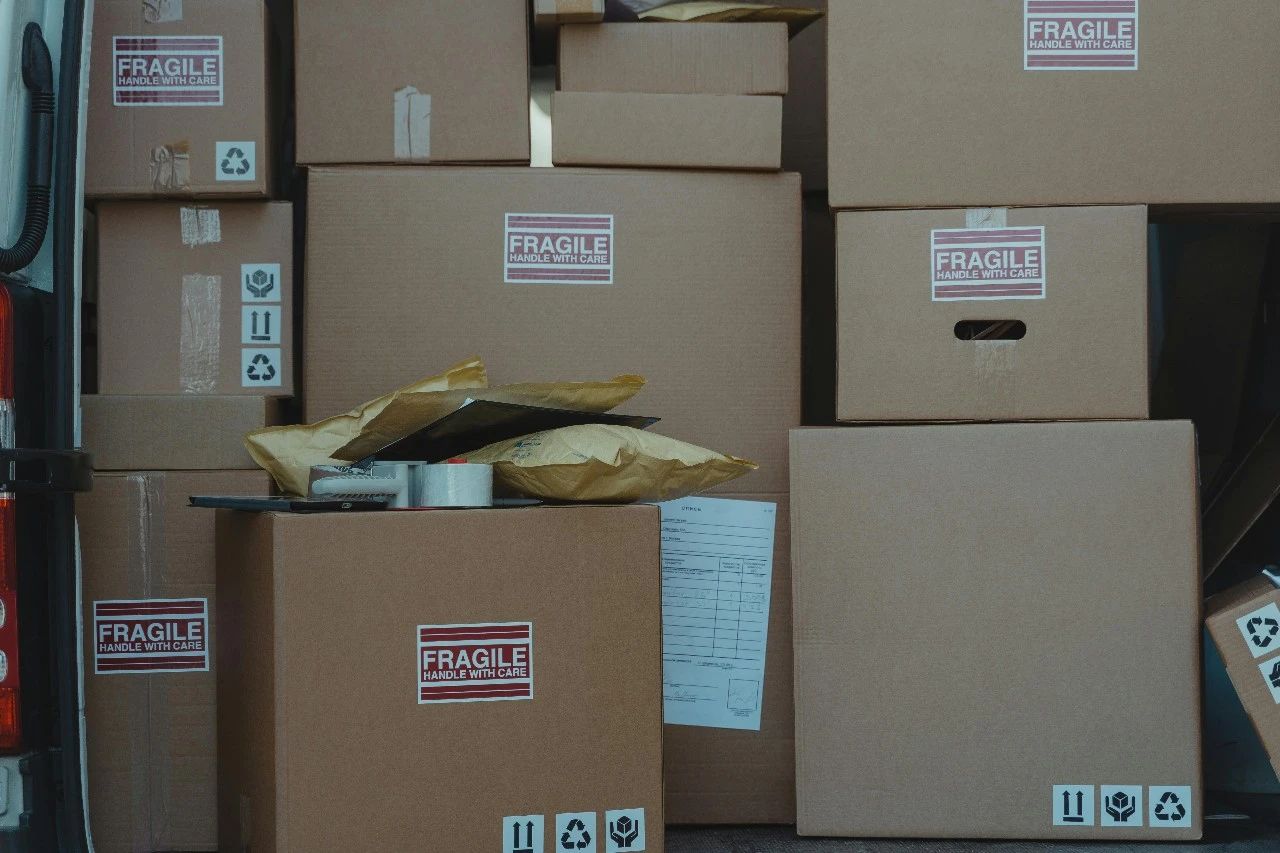
618 is here, and some people might have already started their “buying spree” and “stocking up,” eagerly waiting to unbox their purchases?
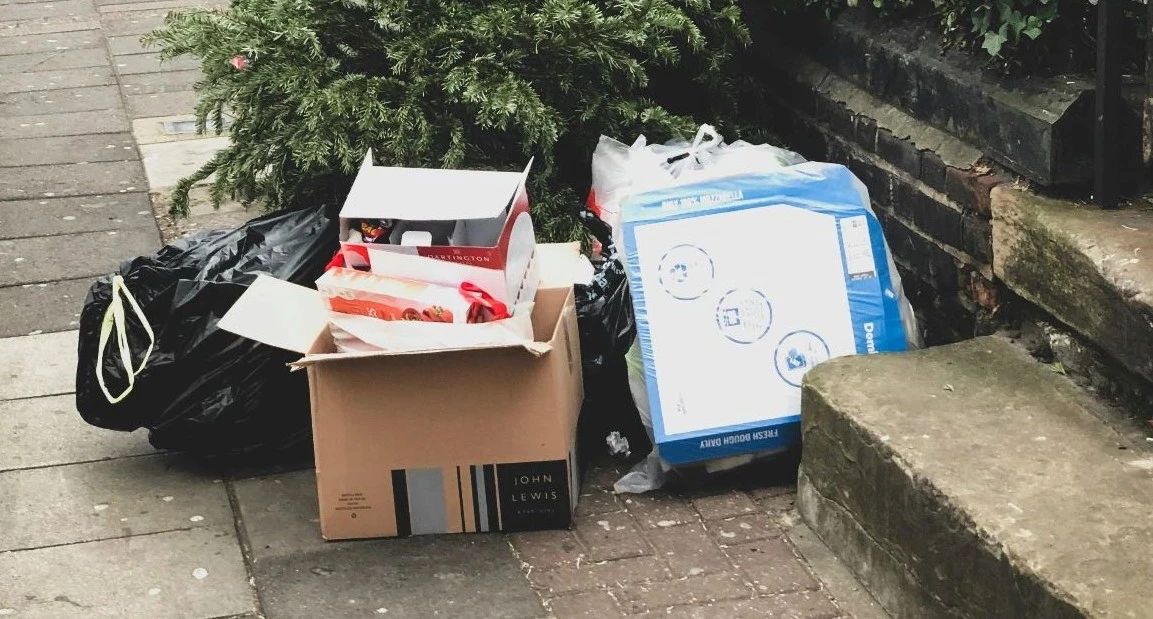
However, the joy of unboxing is fleeting. When faced with mountains of courier packages taking over living spaces, most people choose to casually toss them into the trash bins downstairs or wait for the elderly to collect them.
Or perhaps, like me, some have a peculiar "green" habit—hoarding cardboard boxes, believing these empty boxes will come in handy someday. Or, like collecting cards, waiting until there’s a pile to sell them to recycling stations for a bit of "green income."
But hold on, don't rush! Did you know? Not all courier packaging can retire happily!

01
The Indissoluble Bond Between Cardboard and Plastic
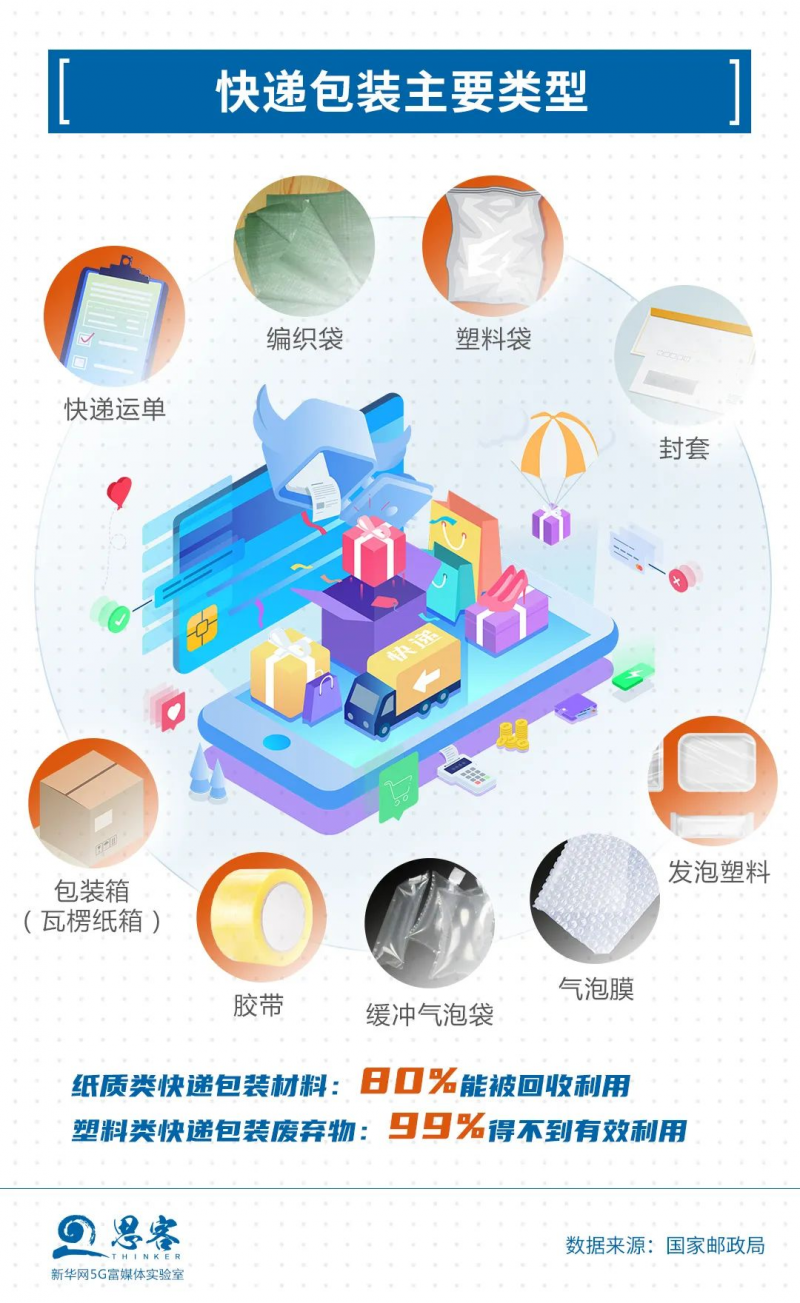
Currently, courier packaging mainly falls into two categories: paper-based and plastic-based packaging.
Paper-based materials include corrugated cardboard boxes, shipping labels, paper envelopes, etc.; plastic-based materials include woven bags, plastic bags, and bubble wrap used for cushioning and protecting items.

In the heart of cities, the waste collection stations downstairs act like mini resource regeneration centers. Whenever cardboard boxes pile up, they embark on a journey of recycling and regeneration.
In recycling plants, corrugated cardboard boxes are finely cut into small pieces and then mixed with water in large mixing containers. After rotation and stirring, impurities such as tape and plastic packaging are removed one by one, transforming into pulp. After multiple processes of pressing and drying, they eventually turn into clean sheets of paper, ready to serve human society again.
However, not all cardboard boxes are so fortunate to gain a new life. A portion of these boxes may accidentally mix with household waste, making their future uncertain.
Compared to cardboard boxes, the fate of plastic packaging waste is even more concerning. Due to the nature of plastics, they are difficult to recycle. While PET and HDPE plastic bottles have relatively high recycling rates in the market, common items like tape and plastic bags in courier packaging are rarely collected.
These plastic wastes often mix with other household waste and end up being landfilled or incinerated. Some are even discarded randomly, posing a threat to the environment. They can remain on Earth for hundreds of years without degrading naturally.

02
The Challenge of Slimming Down Courier Packaging
With the arrival of the 618 promotion, starting from June, nearly 400 million courier packages flow across the country daily.
Large boxes inside smaller boxes, layer upon layer, filled with plastic foam, requiring multiple layers to be peeled off before seeing the actual product. The volume of these removed packages is almost five times that of the purchased goods.
A colleague recently bought some cosmetic gift sets online. Upon receiving the package, she opened a shoebox-sized parcel and first saw a beautiful handbag. Inside the hard box, there was another dustproof cloth bag. When the cloth bag was opened, there was yet another small box. After removing the plastic film and opening these small boxes one by one, she finally found the cosmetics.

Currently, China's courier industry processes an average of 350 million parcels daily, serving nearly 700 million users, ranking first in the world for several consecutive years.
Properly solving the problem of slimming down courier packaging and developing recyclable green packaging is urgent.
To ensure product safety while avoiding waste and promoting environmental protection, finding a balance between these two aspects is challenging for courier packaging.
1⃣️ Green Packaging Technology and Cost Barriers
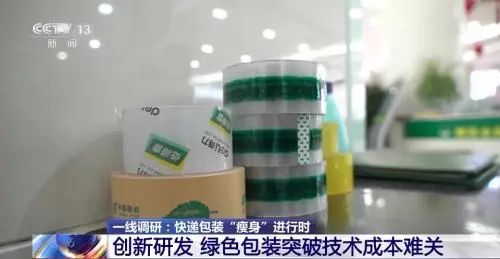
For example, compared to traditional tape, biodegradable tape currently has only 50% of the strength of traditional tape and is slightly more expensive. In the process of promoting reusable packaging, companies face pressures such as the research and development of new materials and products and increased costs.
2⃣️ Recycling and Reuse Challenges of Green Packaging
For instance, packaging recycling requires consumers to sign for deliveries in person. Delivery personnel must complete multiple tasks, including delivery, signing, and possibly recycling packaging. Some green packaging may be discarded or lost due to high operational costs.
However, thanks to the active efforts of many companies, green packaging has gradually become an indispensable part of our daily lives.
With the widespread adoption and promotion of electronic waybills, slim tapes, lightweight boxes, and other green packaging solutions, China has basically entered the 2.0 era of packaging reduction. In this new phase, companies are actively seeking breakthroughs in material and technology innovation, designing more efficient packaging containers and intelligent packing systems. They are also innovating in the recycling market at the logistics terminal.
Biodegradable courier bags, green B2B circulation boxes, intelligent packing systems, converting return boxes into sending boxes, and public welfare actions for courier packaging recycling are emerging...
03
China's Courier Industry Moving Towards Green
Data released by the State Post Bureau shows that in 2023, over 95% of e-commerce parcels no longer required secondary packaging, and more than 1 billion parcels used recyclable packaging, with over 820 million quality corrugated cardboard boxes recycled and reused.
China Post successfully developed a new type of biodegradable tape last year. The base film used is BOPLA (biaxially oriented polylactic acid), which not only enhances the overall performance of the tape but also offers excellent biodegradability, completely degrading into carbon dioxide and water under specific natural conditions.

China Post's Biodegradable Tape
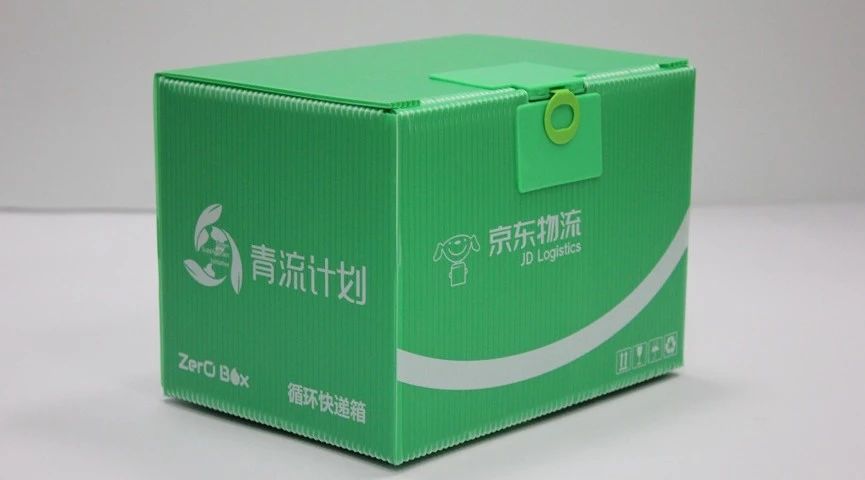
JDL (JD Logistics) continues to work with upstream and downstream partners to promote environmentally friendly packaging modes, launching the "Green Stream Plan." Compared to traditional cardboard boxes, these boxes do not require tape for sealing; instead, they use snap closures and a self-adhesive address label.
In 2023, the original factory direct packaging helped JDL reduce the use of secondary packaging by over 800 million units, and by the end of 2023, JDL had achieved nearly 70,000 tons of carbon emissions reduction through packaging reduction.

JDL's Recyclable Courier Box
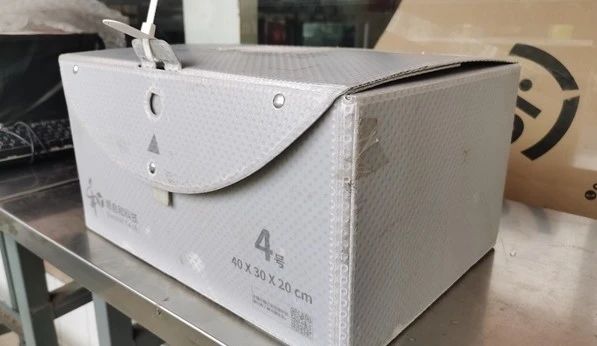
SF Express (Shunfeng) independently developed a reusable packaging box called SF Multi-Bag (π-box), which does not require tape or zippers. It uses Velcro closures and can save an average of 200 grams of paper, 50 grams of disposable plastic, and 25 centimeters of tape per package. The box is strong and corrosion-resistant, capable of being reused up to 70 times, with 96% of the box material being recyclable.

SF Express's Recyclable Courier Box
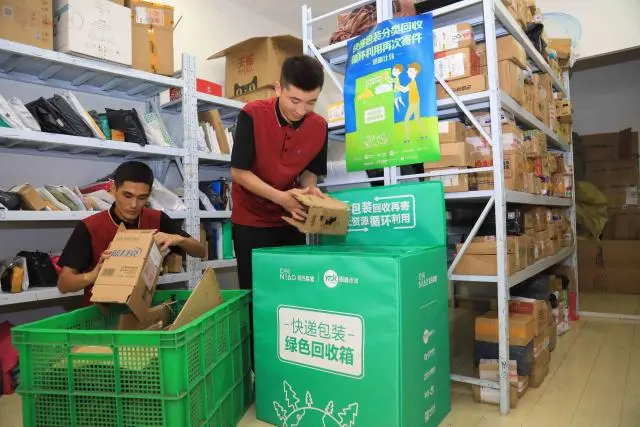
Cainiao launched the "Return Box Plan." Green recycling boxes are placed at Cainiao stations and nationwide courier outlets, encouraging users to return cardboard boxes after receiving their packages for reuse in shipping. According to Cainiao's data, as of 2022, the green return box program covered 315 cities across China.

Cainiao's Return Box Plan
04
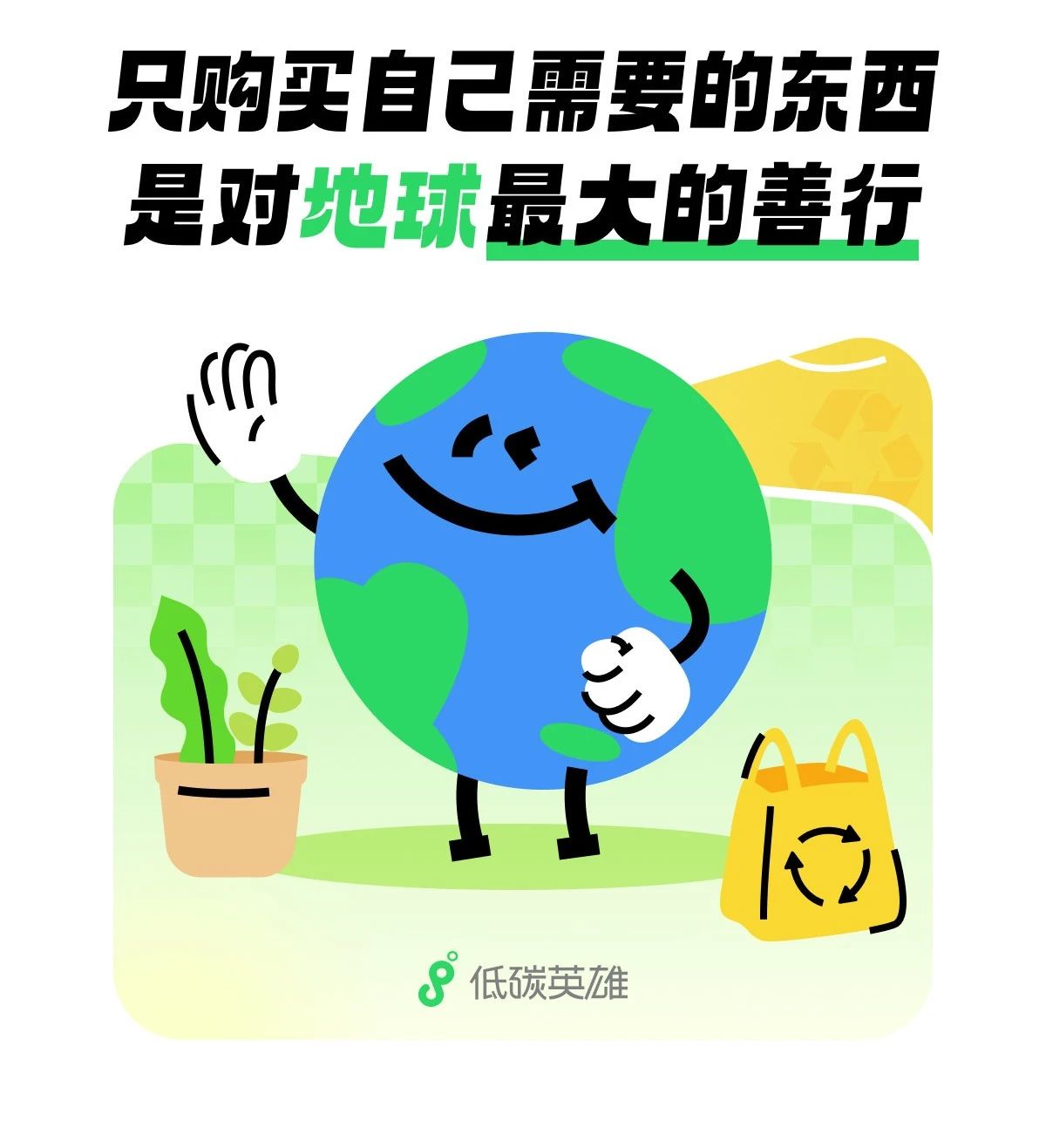
Buy Only What You Need
Behind these innovative attempts lies the firm determination of the government and enterprises, and of course, the strong support of the vast consumer base.
Prioritize products with green packaging: When shopping, try to choose items packaged in recyclable, biodegradable materials, or eco-friendly packaging. This encourages more merchants to adopt green packaging, driving the entire industry towards a more sustainable direction.
Participate in cardboard recycling: Many courier companies and merchants offer cardboard recycling services. Consumers can actively participate by returning unused cardboard boxes to courier companies or relevant organizations.
Reuse courier packaging: For high-quality, undamaged courier packaging, consumers can choose to reuse it. For example, they can use it to store items or as temporary storage boxes.
Reduce unnecessary online shopping: Try to buy needed items from physical stores to reduce unnecessary online shopping and thus lower the use of courier packaging.
Faced with plastic packaging that is difficult to recycle, we might feel a bit helpless. Before better environmental solutions are available, what we can do is start from the source—not being swayed by consumerism. By examining our needs, we can avoid impulsive purchases and reduce unnecessary waste.
“Low-Carbon Heroes” is an online shopping platform, but it has always advocated the idea that consumers should control their desire to consume and only buy what they need.
As a green product marketplace, we only hope that biodegradable, recyclable, and sustainable products can reach more consumers, giving them more green options when purchasing necessary items.

Encouraging consumption is not the ultimate goal; making sustainable products visible and recognized by more people who struggle to develop and survive is the true intention.
Guiding consumers to make wiser and more environmentally friendly purchasing decisions is not the endpoint; making sustainable consumption a new lifestyle is the ultimate destination.