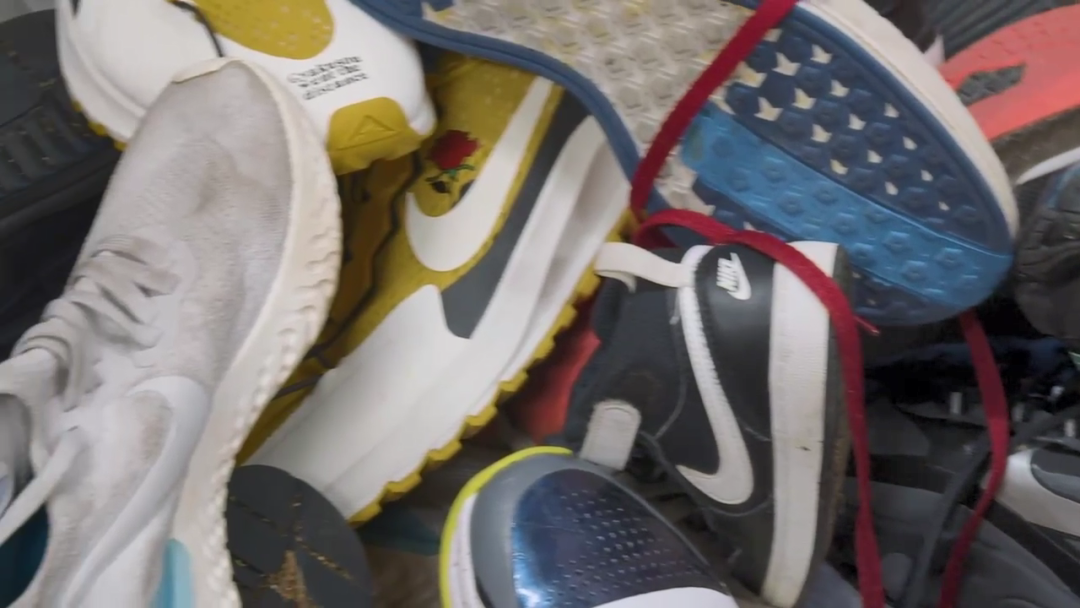
What is the fate of an old pair of sneakers?
It's a pity to throw them away, but keeping them isn't useful either—this is the dilemma many people face when dealing with their beloved shoes. However, when we delve deeper into the full lifecycle carbon footprint of shoes, we realize that they actually hold great potential for environmental protection.
First, we need to understand how carbon emissions from shoes are generated.
The carbon emissions of a pair of shoes mainly come from multiple stages, including raw material acquisition, manufacturing, logistics and retail, use phase, and disposal.

First, during the raw material acquisition stage, traditional shoe materials may include leather, plastic, and textiles. These materials consume fossil fuels or electricity in processes such as livestock farming, petrochemical processing, cotton cultivation, and dyeing, and also directly release greenhouse gases like methane into the atmosphere.
During logistics and retail, the transportation, storage, and sale of shoes generate emissions from fuel combustion and operational electricity. With the rise of e-commerce, carbon emissions from the logistics sector have become increasingly prominent.
In the use phase, washing and maintenance of shoes also consume energy and materials, such as detergents and shoe polish, which indirectly produce carbon emissions.
Finally, when shoes can no longer be worn, traditional landfill disposal causes the decomposition of shoes to release methane and other greenhouse gases, while incineration directly releases carbon dioxide and other greenhouse gases.

If we can bring old sneakers back to life, changing the traditional disposal methods and turning them into resources for recycling, then we can reduce the corresponding emissions.
Nike China began exploring closed-loop recycling solutions for used athletic shoes as early as 2021, reducing carbon emissions by an average of 62.48% per recycled pair compared to traditional methods.
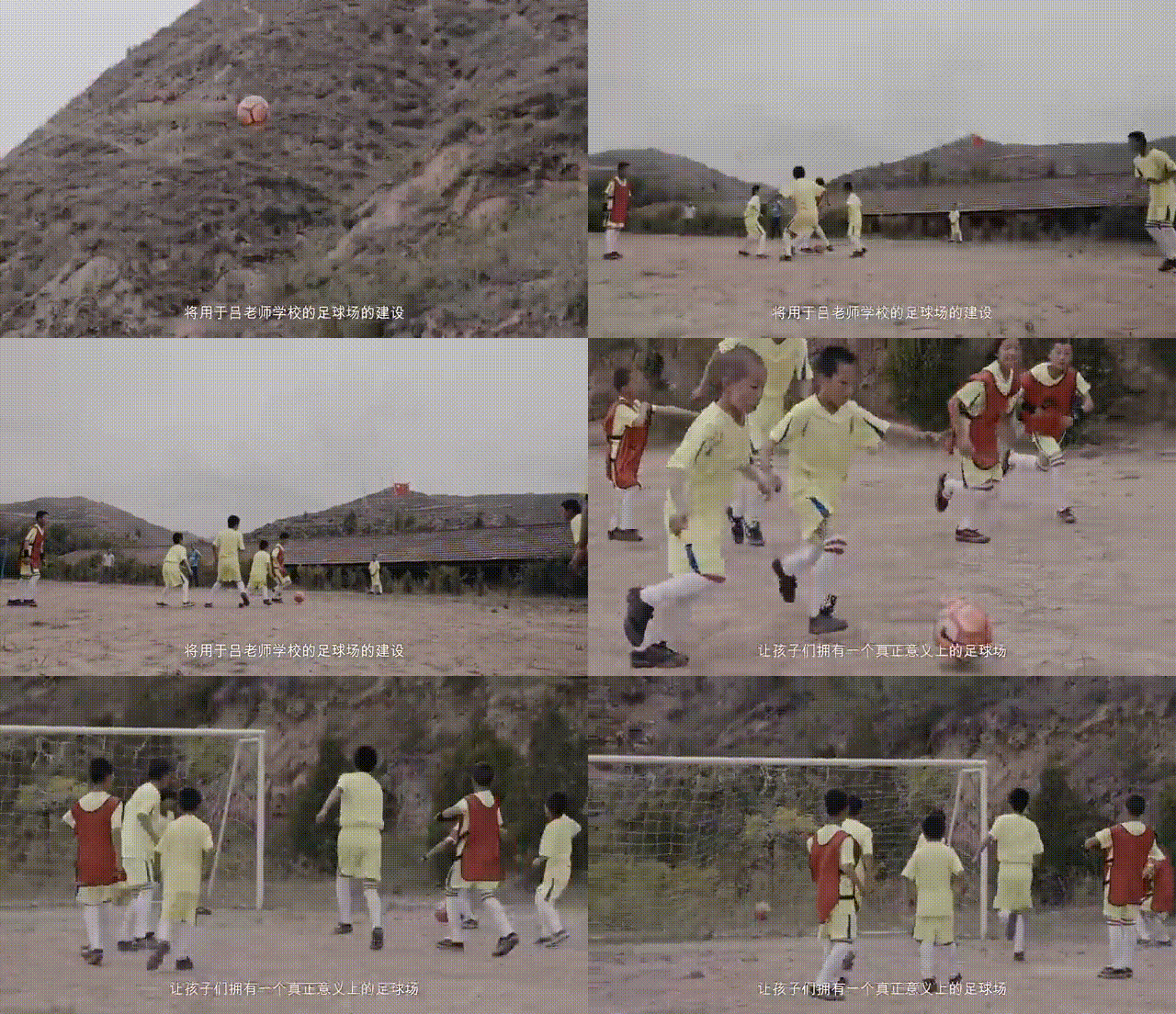
Nike China collects old shoes from consumers across the country, processes them using Nike Grind technology, and turns them into new recycled materials for building eco-friendly sports fields. The Nike "Old Shoes New Life" program was launched in 1992 and began targeting domestic consumers in 2020.
In September 2022, to further advance the "Move to Zero" initiative (aiming for "zero carbon emissions" and "zero waste"), Nike collaborated with Ant Group's "Green Energy Action" and officially launched the "Nike Old Shoes New Life" mini-program on Alipay.

To date, the "Old Shoes New Life" project has built 32 Nike Grind eco-friendly sports fields across China. Nike plans to build 100 Nike Grind sports fields in the Greater China region by 2030, protecting the future of sports and helping more children stay active.
On the occasion of the 55th Earth Day, Carbonstop joins hands with Nike's "Old Shoes New Life" Earth Day campaign, inviting each and every one of you to create a sustainable future together!

Your shoes will become
a splash of color on a high-quality playground at a rural school far away!