碳阻迹 CarbonStop Logo
Please be aware that this article is translated by AI, and like humans, they can make mistakes too.
Spending a huge amount of 2 billion! See how e-commerce giant Amazon is all in carbon neutrality | Carbon Insight

Spending a huge amount of 2 billion! See how e-commerce giant Amazon is all in carbon neutrality | Carbon Insight

SUSTAINABILITYESGCLIMATE ACTION
viewCount274

Standing on the shoulders of giants allows us to see further.

/Carbon Insight/ is a series of columns by Carbonstop that dissects best practices in carbon management. We aim to help business leaders gain a comprehensive understanding of carbon management practices, concepts, and methods of leading companies both domestically and internationally by analyzing advanced corporate carbon neutrality case studies, thereby helping them take fewer detours on their path to carbon neutrality.


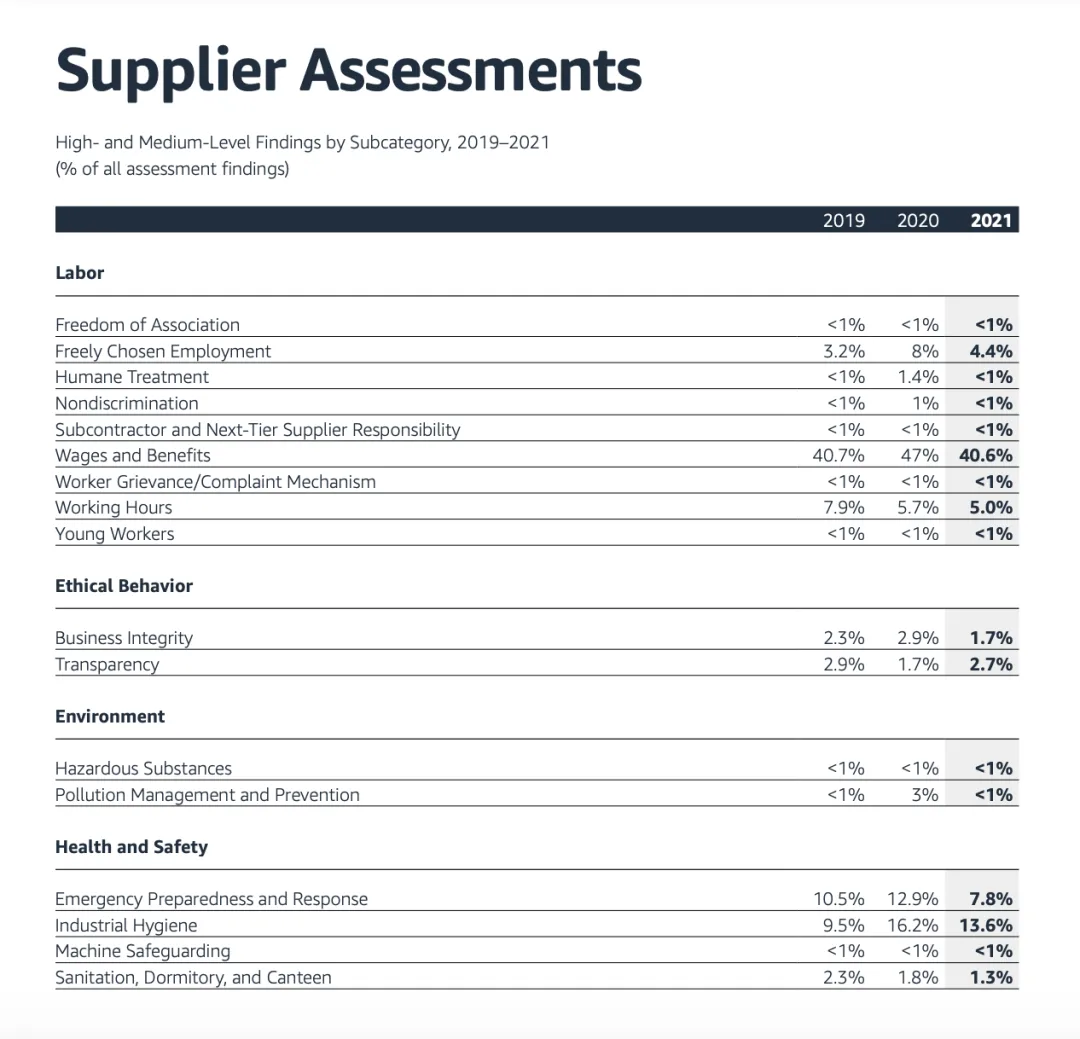
Recently, Amazon released its 2021 Annual Sustainability Report (hereinafter referred to as the "Report"), which details Amazon's latest progress in promoting sustainability and achieving net-zero carbon emissions. Upon release, the report sparked widespread discussion online, primarily because despite Amazon's commitment to net-zero emissions, its carbon emissions have continued to increase.
01_1730195556895122.webp

Source: Amazon's 2021 Annual Sustainability Report

According to reports, in 2019, Amazon co-released the Climate Pledge, committing to achieve net-zero carbon emissions by 2040, which is 10 years ahead of the Paris Agreement, and aims to use 100% renewable energy by 2025.

The ideal is beautiful, but reality is harsh. According to the report, Amazon emitted nearly 72 million metric tons of carbon dioxide last year, an increase of 18%. Amazon attributes this to the pandemic, which led to a surge in online shopping demand, driving continuous growth in Amazon's business as an e-commerce giant. Among these, the largest source of emissions comes from Scope 3, with over 55 million metric tons emitted in 2021, accounting for 77% of total emissions; the most significant reduction in emissions was from Scope 2, specifically from purchased electricity, which decreased by 23% compared to the previous year, mainly due to Amazon's large-scale procurement of renewable energy.

This issue of Carbon Insight focuses on Amazon, so let's break down the carbon neutrality practices of this e-commerce giant together.


01 Calculating(Calculation)

"Quantifying carbon emissions is always the top priority in carbon emission management."

Amazon uses Life Cycle Assessment (LCA) to measure and map the carbon footprint of products across the entire value chain. Amazon's research team combines cutting-edge LCA science and AWS technology to develop a powerful software solution that processes billions of operational and financial data points from around the world to calculate the carbon footprint. This software uses a dollar-based environmental assessment model to evaluate the carbon emissions of all activities, quantifying the total carbon emissions per dollar of Gross Merchandise Sales (GMS) in grams of CO₂ equivalent (g(CO₂)e).

According to Amazon's annual sustainability report published on August 1, 2022, Amazon emitted nearly 72 million metric tons of carbon dioxide last year, with total carbon emissions increasing by 18%. The reason is the surge in online shopping demand caused by the pandemic, leading to sustained growth in Amazon's business as an e-commerce giant. Among these, the largest source of emissions comes from Scope 3, with over 55 million metric tons emitted in 2021, accounting for 77% of total emissions; the most significant reduction in emissions was from Scope 2, specifically from purchased electricity, which decreased by 23% compared to the previous year, mainly due to Amazon's large-scale procurement of renewable energy.

02_1730195622402321.webp

Amazon's Corporate Carbon Footprint Data from 2019 to 2021  Source: Amazon's 2021 Annual Sustainability Report


02 Reducing(Reduction)

"After setting carbon neutrality goals and calculating carbon emissions, the first thing companies should think about is identifying carbon emission 'hotspots' and reducing them."

Amazon's carbon reduction measures mainly focus on renewable energy, data centers, transportation, product packaging, and buildings.


1. Procuring Renewable Energy

Amazon has invested in and established 310 renewable energy projects in 19 countries worldwide, adding 274 new renewable energy projects globally in 2021, making Amazon the world's largest corporate purchaser of renewable energy for two consecutive years. In 2021, Amazon's operations were powered by 85% renewable energy, and the company has committed to reaching 100% renewable energy by 2025, five years ahead of its original 2030 target.

03_1730195670214140.webp

Source: Amazon Official

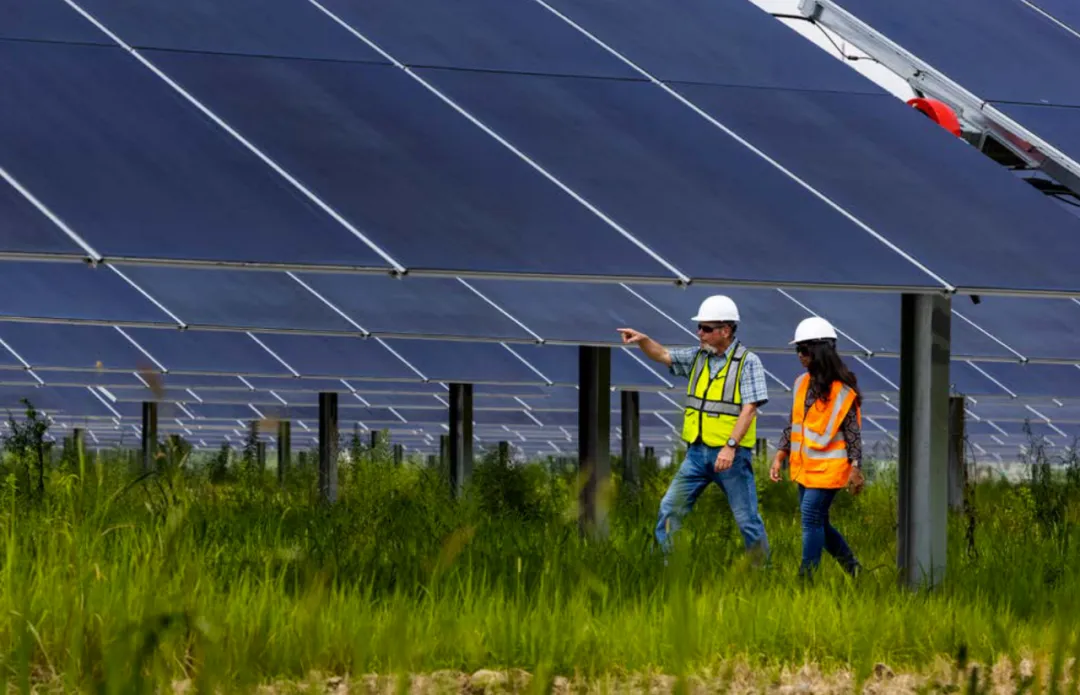
In China, Amazon has supported the implementation of two renewable energy projects, including a 100 MW wind project in Jilin Province and a 100 MW solar project in Shandong Province.


2. Data Center Carbon Reduction

As an e-commerce giant, data centers are one of the major obstacles in Amazon's path to carbon reduction. Amazon has taken steps such as building highly available infrastructure, improving methods for cooling data centers, and continuously innovating server design to reduce energy consumption levels while improving energy efficiency. For example, the Amazon Graviton3 processor, launched by Amazon in 2021, can save up to 60% of energy consumption compared to similar EC2 instances under the same performance conditions.

Additionally, Amazon values the utilization of cold energy resources, emphasizing the importance of data center location. A significant portion of data center energy consumption is for equipment cooling. From a resource utilization perspective, data centers should be located in areas with suitable climates and abundant green energy. Therefore, the Amazon Web Services (AWS) data center built in Ningxia utilizes the region's consistently cool temperatures below 20 degrees Celsius to cool the data center with purified cold air.


3. Zero-Emission Transportation

For long-distance transportation of goods, Amazon reduces carbon emissions through increasing the total loading capacity of rail transport, deploying electric trucks in its heavy commercial truck fleet, and using vehicles with alternative fuels, such as compressed natural gas (CNG) trucks. By 2021, Amazon had ordered more than 3,000 CNG trucks and procured millions of gallons of renewable natural gas, significantly reducing carbon emissions and particulate pollutants.

In 2021, Amazon joined the Sustainable Aviation Buyers Alliance, becoming one of the founding members of the group, leading the development of sustainable aviation fuel. Amazon also purchased sustainable fuel made from waste cooking oil to reduce carbon emissions in ocean transport.

In the delivery process, Amazon reduces the carbon emissions of the last mile through a combination of electric vehicles, cargo bikes, and hand carts delivered by delivery service partners on foot. In November 2021, Amazon announced that two-thirds of deliveries in Paris are made through zero-emission transportation methods.


4. Frustration-Free Packaging Program

Amazon's Frustration-Free Packaging program aims to make packaging easy to open and recyclable. In 2021, Amazon began offering incentives to suppliers who use frustration-free packaging to encourage more suppliers to participate. This program not only reduces packaging waste but also improves transportation efficiency. By the end of 2021, over 2 million products had participated in Amazon's Frustration-Free Packaging program. Since 2015, the average weight of packaging per shipment has decreased by 38%, saving a total of over 1.5 million tons of packaging material.


5. Sustainable Buildings

Amazon's second headquarters, HQ2, will serve as a model for sustainable buildings. HQ2 has achieved electrification of its operations, no longer using fossil fuels, but instead using an all-electric central HVAC system powered entirely by renewable energy from a solar farm in southern Virginia. The building design includes large, transparent windows to maximize natural light and reduce artificial lighting. It also features a rainwater recycling system and a natural ventilation system to minimize carbon emissions and promote environmental sustainability.

04_1730195741212311.webp

Source: Amazon Official


03 Engaging(Engagement)

"For most companies, besides reducing their own emissions, how to mobilize internal members and ecosystem partners to reduce emissions together is where the greater value lies."

1. Mobilizing the Ecosystem: The Climate Pledge

In terms of mobilizing industry emissions reduction, Amazon has driven over 300 companies to sign the Climate Pledge through its joint release with GlobalOptimism, committing to address climate change through tangible business changes. Signatories span 29 countries and 51 industries.


2. Mobilizing Consumers: Climate Pledge Friendly Products

The Climate Pledge Friendly initiative was launched in the US in September 2020 by Amazon, in collaboration with government agencies, non-profit organizations, and third-party independent laboratories. It labels products that meet one or more environmental certifications to help consumers identify and purchase more environmentally sustainable products when shopping on Amazon.

By the end of 2021, over 250,000 Climate Pledge Friendly products were available on Amazon, and more than 370 million units of Climate Pledge Friendly products were purchased by Amazon customers in 2021.

Additionally, Amazon launched the "Amazon Second Chance" trade-in program, providing a one-stop shop for customers to experience how to minimize environmental impact through reuse, refurbishment, and recycling.


3. Mobilizing Employees: Sustainability Ambassador Program

Sustainability Ambassadors are Amazon employees with a strong awareness of sustainability. They are dedicated to promoting sustainable practices and encouraging more people to contribute to carbon reduction efforts and climate action. By the end of 2021, over 8,900 Amazon employees had participated in the program.


04 Offsetting(Offsetting)

"For unavoidable carbon emissions, companies can choose to offset those emissions through reforestation or purchasing carbon credits, achieving 'zero emissions'."

Amazon has established a $2 billion Climate Pledge Fund to support the development of sustainable technologies. In 2021, Amazon invested in 13 companies and initiatives to accelerate sustainability in transportation, aviation, freight, packaging, agriculture, and technology, including the following projects:

1. Natural Carbon Reduction in Brazil

In 2021, Amazon partnered with The Nature Conservancy (TNC) to launch the Agroforestry and Restoration Accelerator, aimed at restoring native rainforests to naturally capture and store carbon, thereby mitigating climate change. This initiative is continuously experimenting with innovative methods to foster sustainable commodity markets and advance new technologies for quantifying and monitoring carbon reductions.


2. Protecting Tropical Rainforests

In 2021, Amazon helped create the Lowering Emissions by Accelerating Forest Finance (LEAF) Coalition to protect tropical rainforests, raising $1 billion. This initiative aims to provide funding to help countries protect tropical rainforests to accelerate climate action. In November 2021, the coalition signed letters of intent with five tropical forest countries: Ecuador, Costa Rica, Ghana, Vietnam, and Nepal.


3. Supporting Family Forests in the US

In 2020, Amazon committed $10 million to support two projects in partnership with The Nature Conservancy to help sequester carbon in family forests in the Appalachian region of the eastern US, an area considered extremely important for biodiversity conservation and climate change mitigation. Amazon's grant supports the replication of the project's technology in other regions and the development of a scientific method for measuring regional carbon impacts. By 2021, the project had added 107 family landowners and expanded its coverage to 130 counties.


4. Promoting Reforestation in Italy

In 2021, Amazon committed €2 million to support the ParcoItalia urban forestry project, aimed at planting 22 million trees in 14 metropolitan areas of Italy, equivalent to one tree per city resident. This initiative will help cities better cope with climate change by increasing urban biodiversity, improving air quality, and promoting urban cooling.

Schedule a Call with Our Carbon Management Expert

Provide your information and needs, and our carbon management experts will contact you within 24 hours.

碳阻迹 CarbonStop Logo
400-80-14067
mail@carbonstop.com
10th Floor, Building B, Vanke Office Building, Jiu Gong, Daxing District, Beijing
WeChat Official Account二维码
WeChat Official Account
WeChat Service Account二维码
WeChat Service Account
Carbonstop Assistant二维码
Carbonstop Assistant
EarthShop二维码
EarthShop
Authoritative Certification:
京公网安备 11011502037717号
京ICP备11035662号-15
Copyright 2011-2025 All Rights Reserved: Carbonstop (Beijing) Technology Co., Ltd.