As the concept of carbon neutrality becomes increasingly accepted, it is foreseeable that more enterprises will begin their carbon neutrality planning. Carbonstop, which has provided a large number of carbon neutral services to clients, has recently been planning to achieve carbon neutrality for its own office operations.
When a carbon management expert sets out to achieve their own carbon neutrality, they must showcase a range of sophisticated techniques. Besides reducing emissions to the lowest possible level, it would be best to use a variety of methods for carbon offsetting.
Reduce Carbon Emissions! To the Lowest Possible Level!
According to statistical data, a company with around 30 employees typically emits about 100-200 tons of carbon annually.
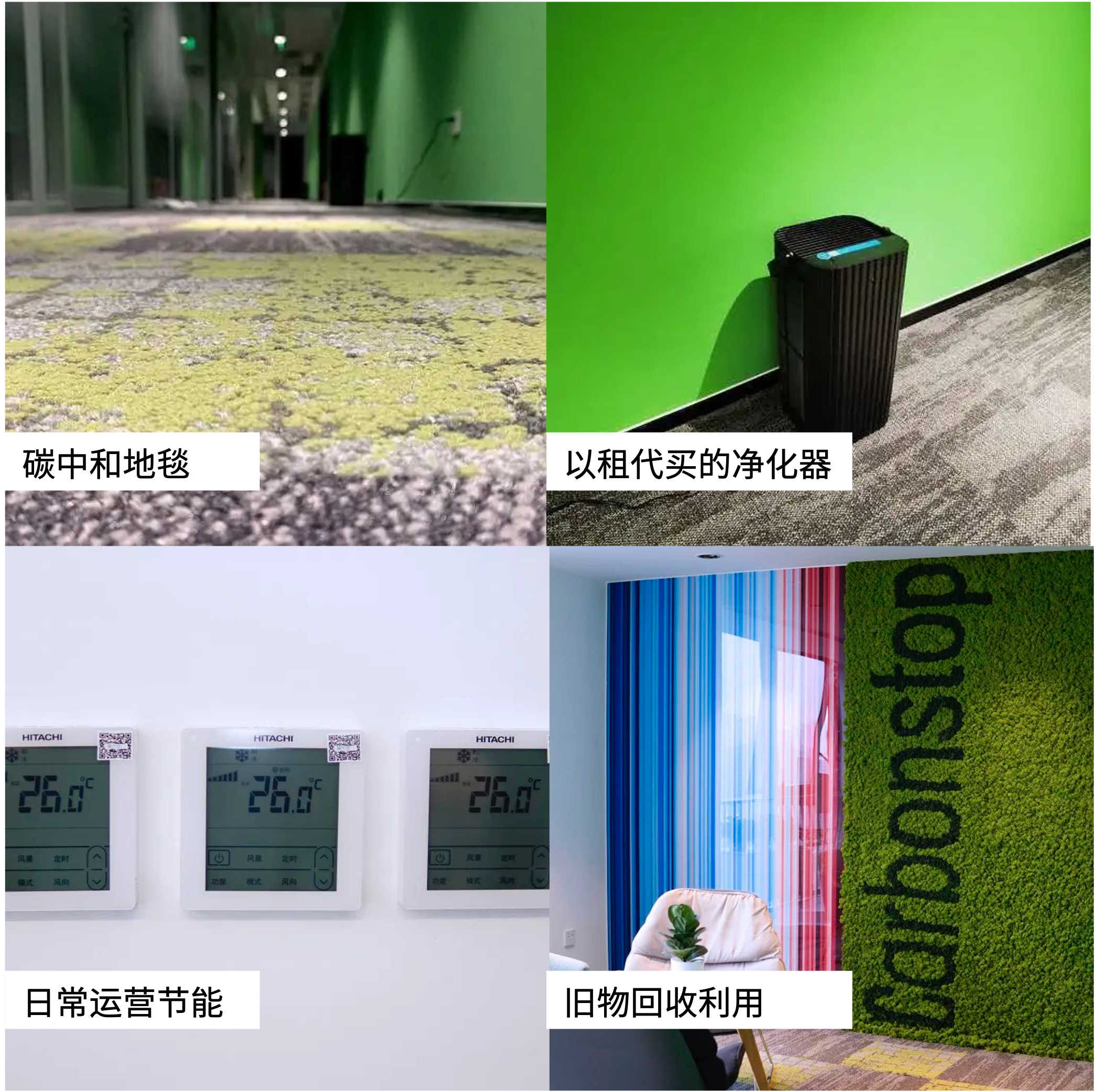
After moving to the new office, Carbonstop began adopting various low-carbon methods to reduce carbon emissions, including the use of carbon-neutral carpets, renting air purifiers instead of buying, recycling old items, encouraging employees to travel in a low-carbon manner, and ten other initiatives.

Despite these efforts, the new office still generates around 40 tons of carbon emissions annually after all reductions have been made.
Creative Carbon Neutrality
How to offset these 40 tons of carbon emissions?
We want to take on a challenge—using as many of the mainstream offset methods available globally as possible to achieve carbon neutrality, such as CCER, VER, GS, domestic green certificates, and international green certificates.
Purchasing China Certified Emission Reductions: CCER
China Certified Emission Reductions (CCER) are carbon assets certified by national authoritative institutions. CCERs are generated through a series of strict procedures, including project registration, pre-project evaluation, monitoring, verification, and certification of emission reductions, which are then registered by the Ministry of Ecology and Environment and solidified as carbon assets.
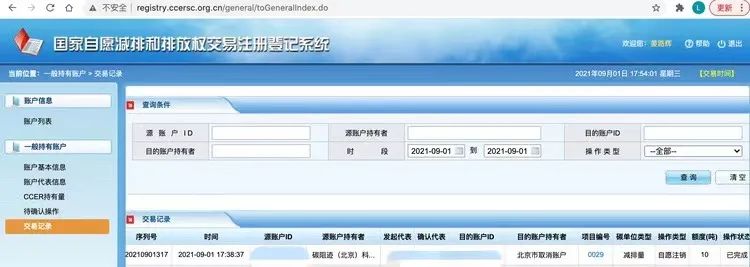
Carbonstop still retains a certain amount of CCERs (obtained from previous carbon reduction projects) in its own account. During this office carbon neutrality process, we did not purchase additional CCERs but used 10 tons of CCERs from our own account for offsetting.
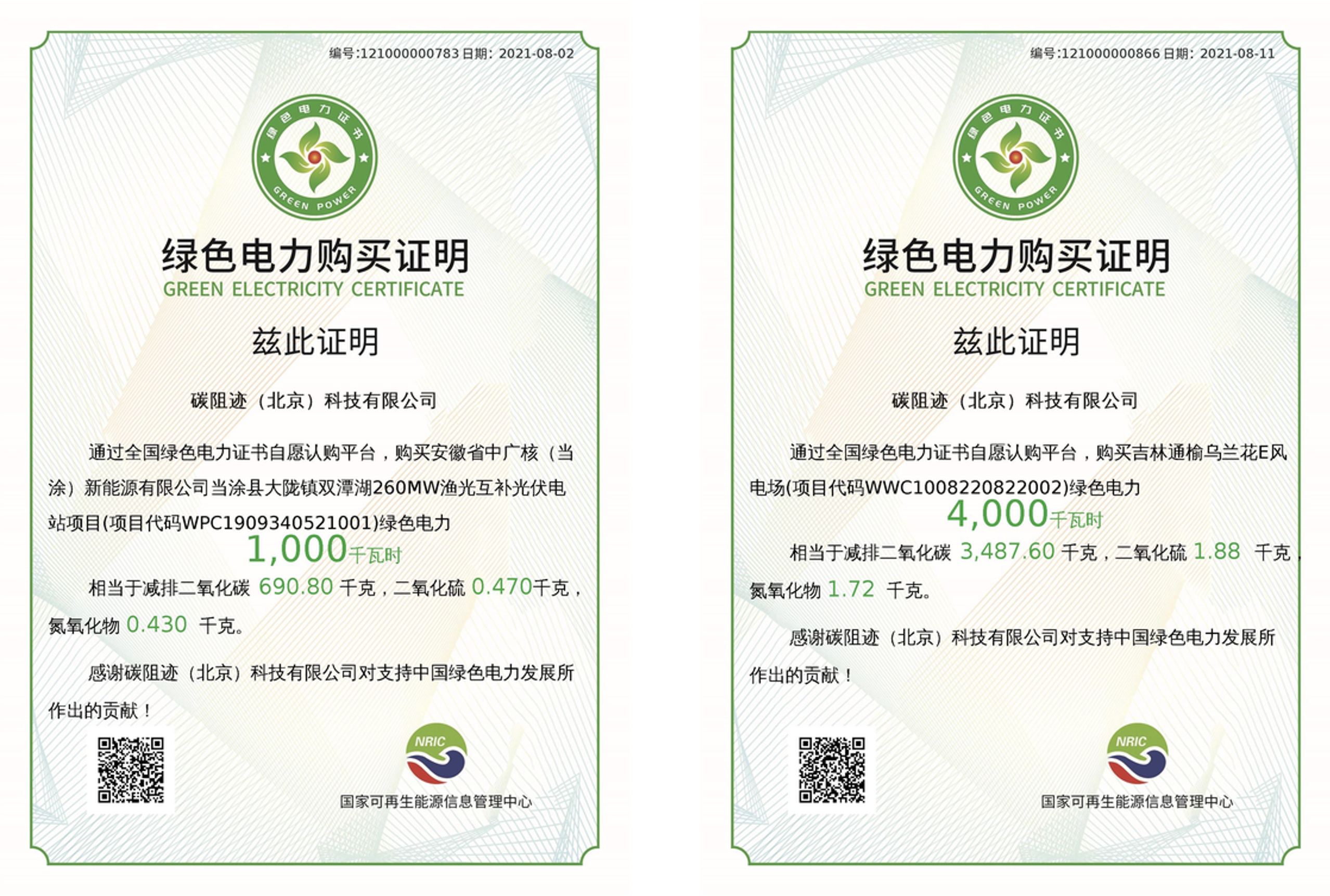
Domestic Green Certificates

The entire transaction process is also very convenient: register, select the product, and pay.

International Green Certificates: I-REC
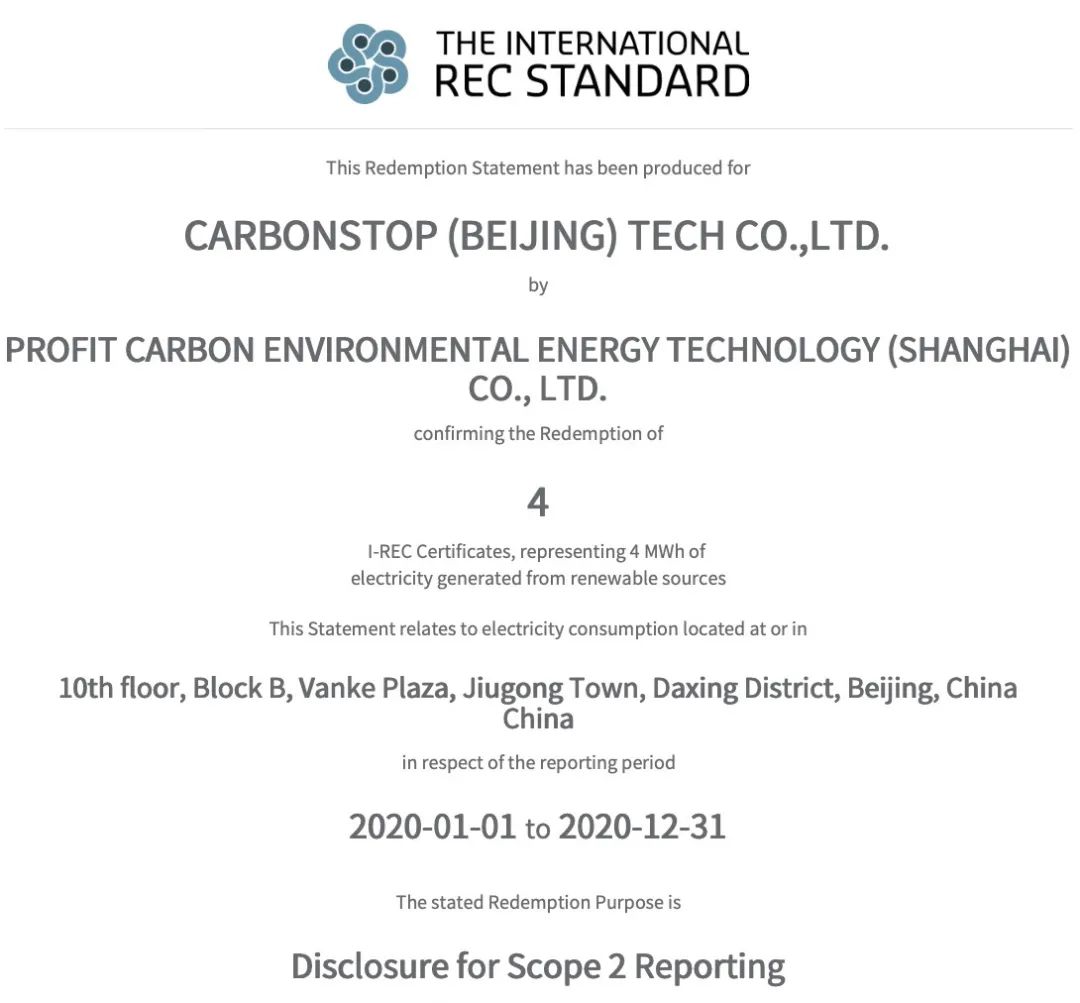
REC (Renewable Energy Certificate) refers to a renewable energy certificate. I-REC stands for International Renewable Energy Certificate, which is an international green certificate.
For this office carbon neutrality, Carbonstop purchased 4 MWh, or 4,000 kWh, of international renewable energy green power.

VER - Voluntary Emission Reduction
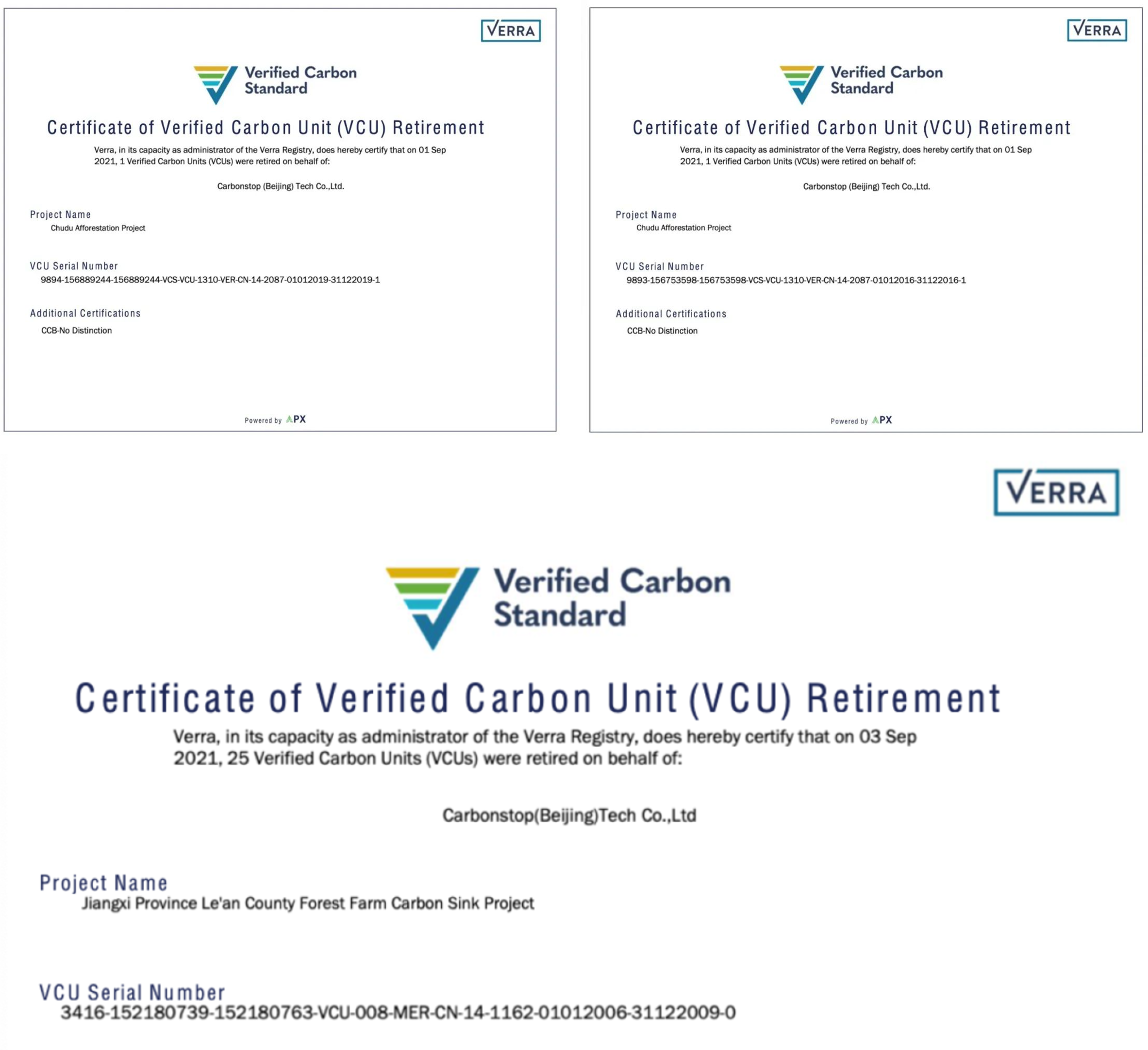
The Verified Carbon Standard (VCS) is one of the most widely used voluntary emission standards, jointly developed by The Climate Group (TCG), the International Emissions Trading Association (IETA), and the World Economic Forum (WEF) in 2005. For this office carbon neutrality, Carbonstop purchased 27 tons of forestry VCS in two separate transactions.
Brother Hui said: “We want to use as many of the mainstream carbon offset methods available globally as possible for this office carbon neutrality. This is not just to show off our skills; it is also to set an example for corporate carbon neutrality and a process of self-learning for the team.”