


 668
668Many global businesses need to understand the carbon footprint of their products. They have to disclose their Product Carbon Footprints (PCFs) to regulatory frameworks such as CSRD, CBAM, and the ISSB standards and these disclosures need to be accurate, consistent, and audit-ready.
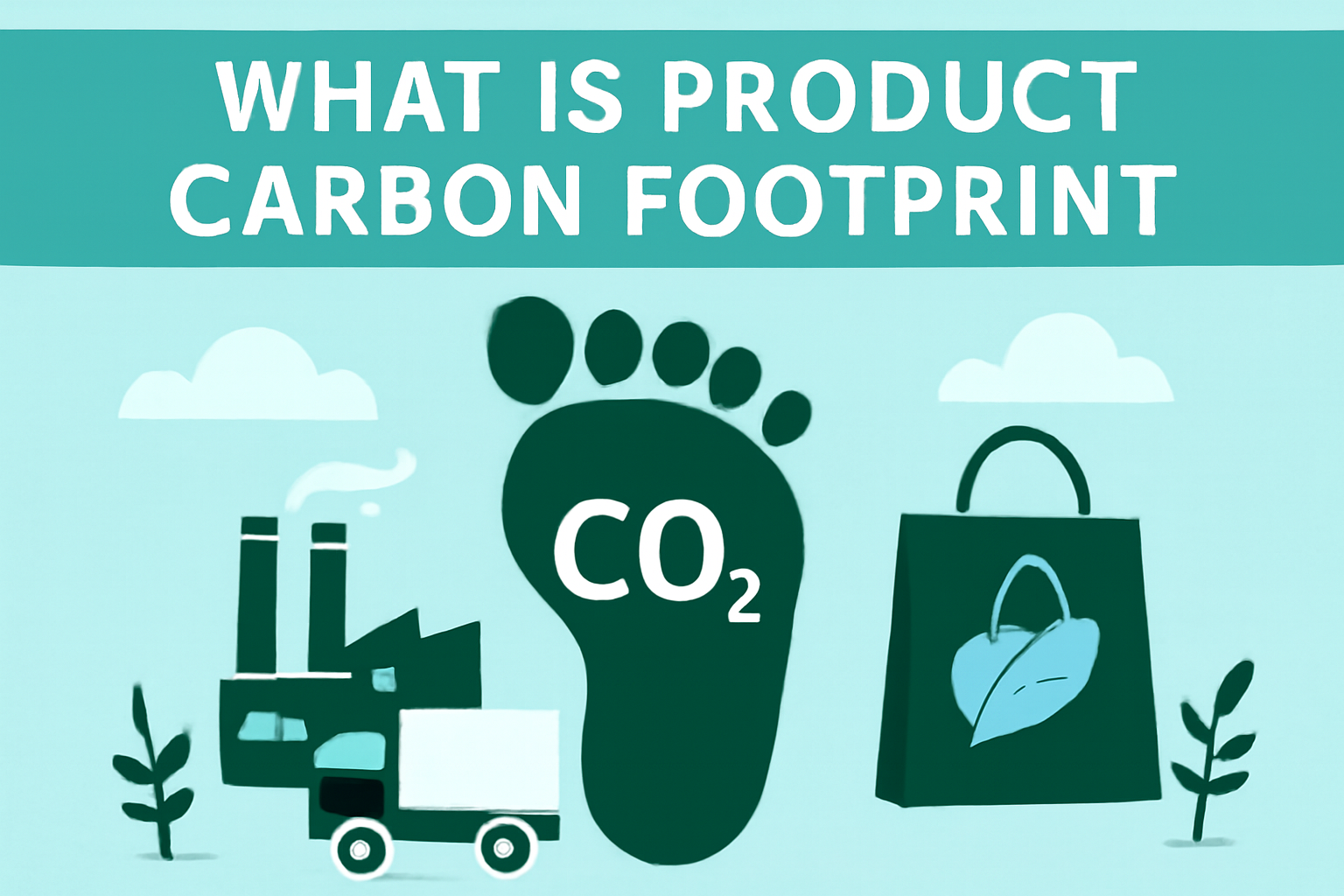

What Is a Product Carbon Footprint?
A product carbon footprint refers to the greenhouse gas (GHG) emissions generated by a product across its entire value chain. This includes the impact of raw material extraction, manufacturing and assembly, distribution, product use, and end-of-life. A carbon footprint enables firms to identify the processes or components that are the largest contributors to overall emissions. This presents the company with clear opportunities for reducing emissions, while supporting supplier engagement and compliance with regulations.

Why Calculating Product Carbon Footprints Matter
Calculating carbon footprint matters for several reasons. It helps with:
1.Compliance and Market Access. Regulatory requirements are becoming increasingly stricter. To comply with CBAM, manufacturers exporting to the EU need product-level carbon data that is accurate, verifiable, and audit-ready.
2.Supplier Engagement and Procurement Decisions. A PCF quantifies where emissions occur across upstream processes. This can help procurement and sustainability teams to:
•Identify suppliers with the largest share of emissions
•Engage suppliers on specific reduction actions
•Prioritise materials with lower carbon intensity
•Support R&D and product design
3.Competitive Advantage. Multinational corporations, retailers, and OEMs are looking for partners that can actively demonstrate their commitment to reducing the carbon impacts of their products. Therefore, a robust PCF can strengthen brand reputation, reduce exposure to greenwashing and help companies win business.

How Companies Can Reduce Product Carbon Footprints
Reducing PCFs requires interventions across the supply chain, product design, and operations. The most effective strategies include:
1.Low-Carbon Procurement, such as switching to materials with lower embodied carbon
2.Energy Efficiency, such as process optimization
3.Renewable energy and electrification can reduce emissions at manufacturing sites.
4.improving Logistics by optimising transport routes, consolidating shipments, and shifting to lower-carbon transport modes.
5.Product Design and Circularity to increase the lifespan of products, modularity, or recyclability reduces overall life-cycle emissions and supports circular business models.

How Carbonstop Supports Accurate, Audit-Ready PCFs
Carbonstop’s carbon management platform for businesses is designed to help businesses calculate, verify, and reduce PCFs with confidence—particularly for companies operating across Asia and global supply chains.
Key capabilities include:
•China-specific emission factor coverage
Using location and supplier specific data is critical for accurate assessment of emissions. This is especially important when publicly available data is often limited or inconsistent.
•AI-enabled supplier data validation
Automatically detects anomalies, gaps, or unrealistic values in supplier submissions to improve accuracy.
•Audit-ready documentation workflows
Ensures every PCF follows GHG Protocol and ISO 14067 requirements with complete supporting evidence.
•Supplier engagement tools
Helps suppliers report activity data, improve accuracy over time, and understand reduction expectations.
•Automated PCF calculation modelling
it enables faster product-level assessments and ensures consistent application of methodologies across business units.
With Carbonstop, organizations gain a reliable foundation for CSRD reporting, CBAM submissions, and customer disclosure requests while reducing the resource burden typically required to manage PCFs manually.

Conclusion: Using PCF data to deliver Business Value
Understanding and reducing PCFs is now a strategic business issue. Companies that build credible PCF capabilities can:
•Meet growing regulatory requirements
•Improve supplier relationships
•Increase competitiveness
•Support net-zero strategies
With accurate data, transparent methodologies, and digital tools like Carbonstop’s PCF platform, manufacturers and exporters can navigate compliance with confidence and turn decarbonization into operational and commercial advantage.

Ready to develop credible and audit-ready PCFs for your product portfolio?
Reach out to Carbonstop to explore how our PCF solution can support CSRD compliance, CBAM reporting, supplier engagement, and enable the identification of carbon reduction opportunities across your product portfolios.


