


 692
692Scope 3 emissions have become a defining commercial challenge. For manufacturing and consumer-facing organisations, Category 1 (Purchased Goods and Services) often accounts for 80% of total greenhouse gas output, shifting an important part of Scope 3 ownership from sustainability teams to procurement leaders.
This shift is fundamentally reshaping the procurement function. Scope 3 is now a governance, compliance and supply chain risk issue. For Chief Sustainability Officers and procurement leaders, supplier carbon data directly affects regulatory disclosures and long-term competitiveness.
 Why Procurement is the Front Line of Scope 3 Compliance
Today, procurement decisions determine a firm’s carbon liability and the integrity of its disclosures. The Corporate Sustainability Reporting Directive (CSRD) and the Carbon Border Adjustment Mechanism (CBAM) have formalised the role of carbon data, which now underpins financial and legal requirements. These pressures necessitate three defining shifts in how procurement operates:
1. Active Supplier Engagement: Meaningful decarbonisation is impossible without structured supplier collaboration. Procurement must move toward a model of active engagement, identifying emissions hotspots and co-developing reduction pathways with high-impact suppliers.
2. From Spend-Based Estimates to Primary Data: Spend-based emission calculations are no longer sufficient for effective disclosure. For firms sourcing from global manufacturing hubs, utilising China-specific, representative emission factors is essential to ensure accuracy. Moving to primary data not only ensures defensibility under CSRD but also prevents the overpayment of carbon levies under CBAM.
3.From Fragmented Inputs to Robust Data Governance: Poor data quality is now a compliance risk that can undermine CSRD filings. By placing procurement at the centre of carbon data governance, organisations can ensure that activity data is captured accurately at the source. This shift transforms carbon from a vague sustainability metric into a verified operational variable.

How to Decarbonise the Supply Chain in Practice
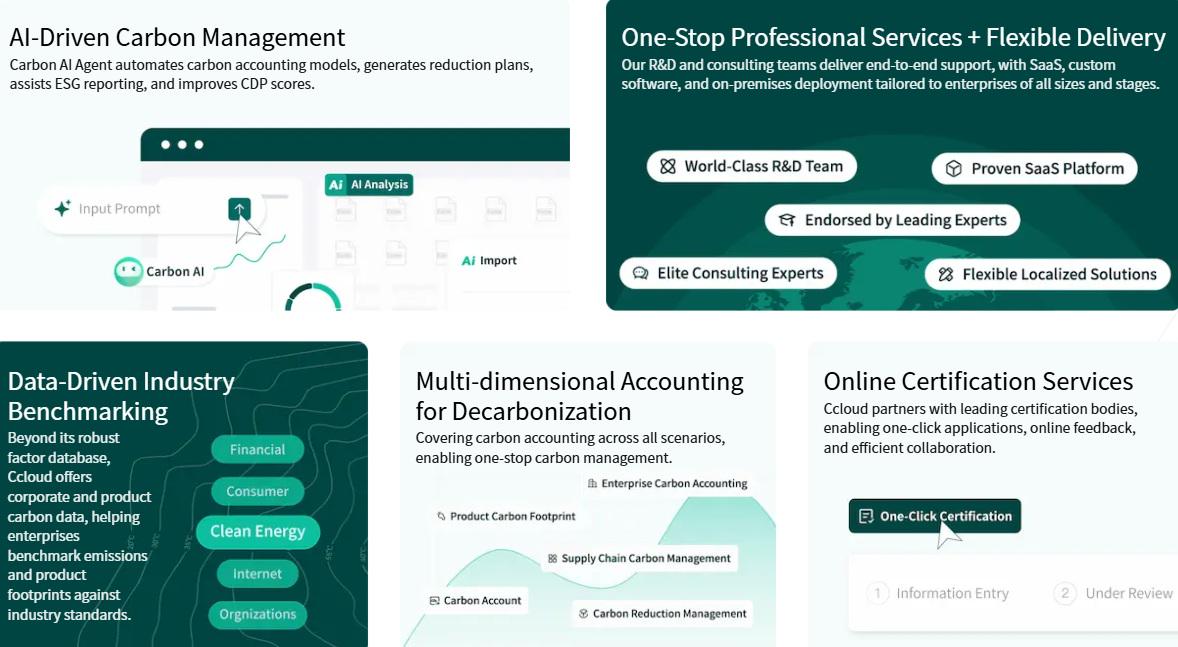
Organisations often have to deal with fragmented supplier data, inconsistent calculation approaches and inconsistent use of emission factors. A pragmatic approach to decarbonisation prioritises high-impact categories first, increasing primary data coverage over time while maintaining transparency. Technology is essential to scale this process and ensure that data is representative of the specific regions and industrial processes in the supply chain.
Effective Scope 3 management requires embedding carbon as a decision variable within existing procurement workflows.
- Embed Carbon into Supplier Selection Process: Organisations are starting to integrate carbon in tenders. This helps identify suppliers who may have a higher initial unit price but a lower total carbon-adjusted cost. This can shield margins from future carbon liabilities and taxes.
- Systematic Engagement: Work with suppliers to identify hotspots and co-develop reduction plans. Digital platforms enable collaboration at scale that manual processes cannot support.
- Systems Integration: To manage Scope 3 at scale, carbon must be embedded in ERP systems to provide automated factor matching and clear audit trails.
Measuring Procurement’s Carbon Performance
To link procurement decisions to decarbonisation outcomes, organisations should track:
- Percentage of spend covered by primary supplier emissions data.
- Carbon intensity per unit of material or spend.
- Share of suppliers with verified reduction targets.
- These KPIs transform Scope 3 emissions from a reporting metric into an operational performance indicator.

The Carbonstop Advantage: Precision at Scale
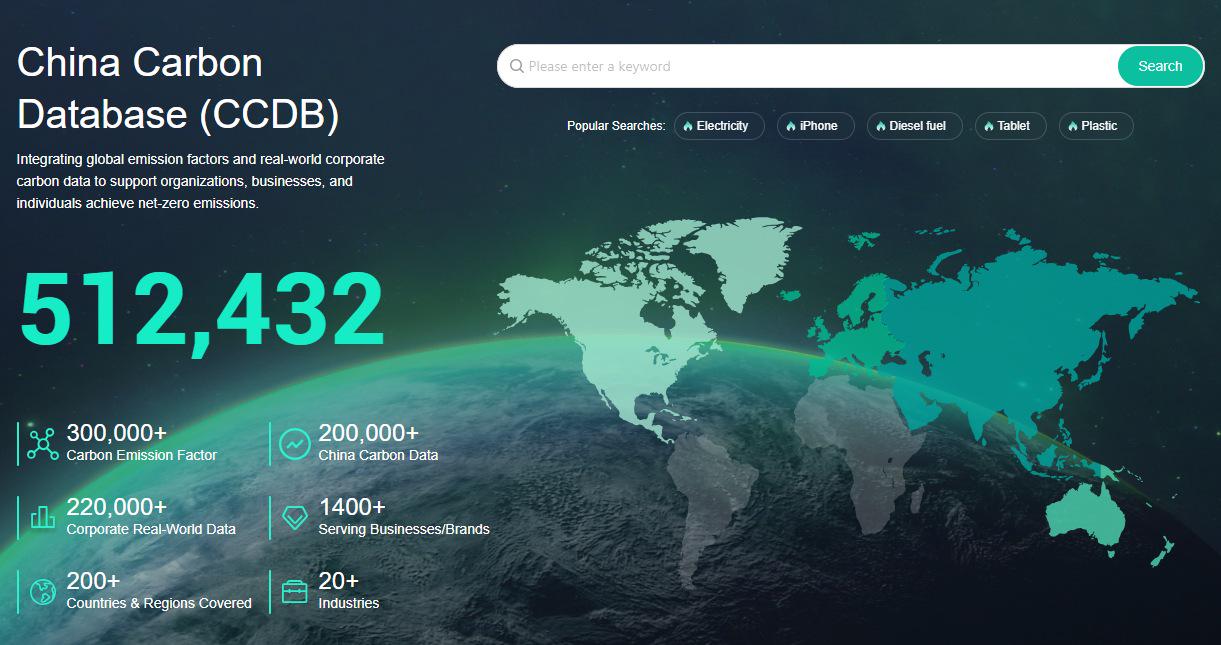
Manual spreadsheets cannot support the scale or scrutiny of modern carbon management. Carbonstop provides the technical infrastructure required to navigate the complexities of global manufacturing:
- Structured Supplier Engagement: Facilitate automated workflows to collect high-quality primary data, replacing secondary estimates with verifiable supplier data
- Local specific factors: Access a comprehensive, audited database of China-specific emission factors to ensure your procurement emissions are accurate and representative. Activity data is matched automatically to localised factors to eliminate the "accuracy gap" in global supply chains.
- AI-Enabled Validation: Use AI to detect errors and data anomalies, ensuring inventory is credible and ready for external assurance.
- Audit-Ready: Maintain rigorous alignment with CSRD, ISSB and ISO 14064 standards through automated audit trails that streamline third-party verification and accelerate the assurance process.

Conclusion: Data Accuracy as a Competitive Edge
In an era of tightening regulation, the quality of your carbon data dictates the quality of your strategy. With high-quality carbon data, procurement leaders can do more than meet disclosure requirements. They can shield margins, strengthen supplier resilience and reduce cost.
Future-proof your procurement strategy. Contact Carbonstop today to learn how our AI-enabled solutions can transform your Scope 3 data into a strategic asset.


