


 621
621Global sustainability demands are not a side issue anymore. They form a key part of current business plans. As climate pledges grow stronger, companies go past basic rules. They adopt detailed plans to cut carbon. A main force behind this change is the growth in eco-friendly packaging. Here, carbon-neutral packaging—which targets zero net emissions over a product's full life—now serves as a must-have for entering many markets. Yet, the future already stretches to the carbon-negative packaging market. This is a fresh area where supplies and methods pull more CO₂ from the air than they release in making. At CarbonStop, we commit to guiding businesses through this change. We supply the resources and knowledge to make environmental duties a business strength.

Understanding Carbon-Neutral vs. Carbon-Negative Packaging
Any company aiming to stand out in green practices must tell apart carbon-neutral and carbon-negative ways. Carbon-neutral packaging works to reach a balance. It measures emissions from getting raw materials, building, and shipping. Then, it cuts those emissions as much as feasible. Any leftover emissions that cannot be avoided usually get offset by solid carbon credits.
On the other hand, the carbon-negative packaging market brings a clear positive effect on the environment. This happens by using materials that trap carbon, like plant-based plastics that hold carbon as they grow. It pairs with a production run on full clean energy. Rules are changing too, such as the EU’s Corporate Sustainability Reporting Directive (CSRD) and the Carbon Border Adjustment Mechanism (CBAM). These reward such new ideas. They help cut a firm’s Scope 3 emissions by a good amount.

Market Growth and Trends in Sustainable Packaging
Need for both carbon-neutral and carbon-negative options is rising fast. It comes from buyers who favor eco-brands and tough new report rules. Main new steps include making breakdown materials and plant plastics that act as carbon traps. We see that brands using these— like our partners in clothing and food areas—often gain better brand stand-out and buyer trust.
Role of Carbon Reduction Management
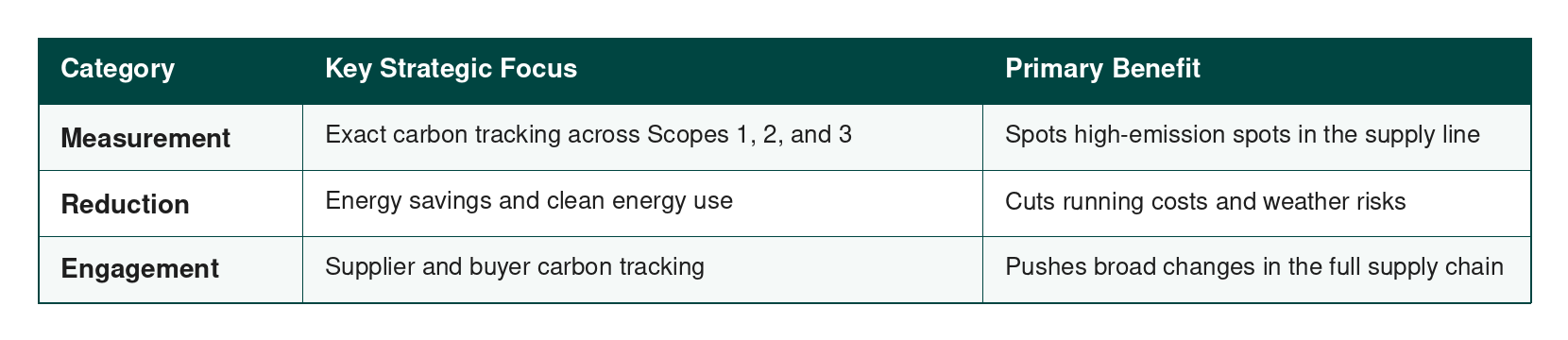
Carbon reduction management is the planned way firms spot, watch, and decrease their gas emissions that warm the planet. It is not a short task. Rather, it is a steady part of daily work. Winning companies weave this into their main rules. They set targets based on science (SBTi). They also put in place long-term plans to remove carbon.

Carbon Consulting and Expert Advisory Services
As carbon rules get more detailed, carbon consulting plays a vital role. Expert advisors give the needed skills to do full life checks (LCA). They match company aims with world standards like ISO 14064 and the GHG Protocol. Carbon Consulting aids firms in shifting from vague green talk to proven, fact-based info. This info holds up to checks from investors and officials.
Carbon Management Consulting for Enterprise Strategy
While carbon consulting stresses technical rightness, carbon management consulting looks at the bigger picture. It blends climate needs into business rules and money plans. This covers building "Dual-Carbon" systems that follow both carbon results and money effects. By using an Enterprise Carbon Management Service Platform, groups can make their green work a fixed part. It ensures every area—from buying to sales—lines up with the firm’s zero-net aims.
Implementing Carbon Management Systems
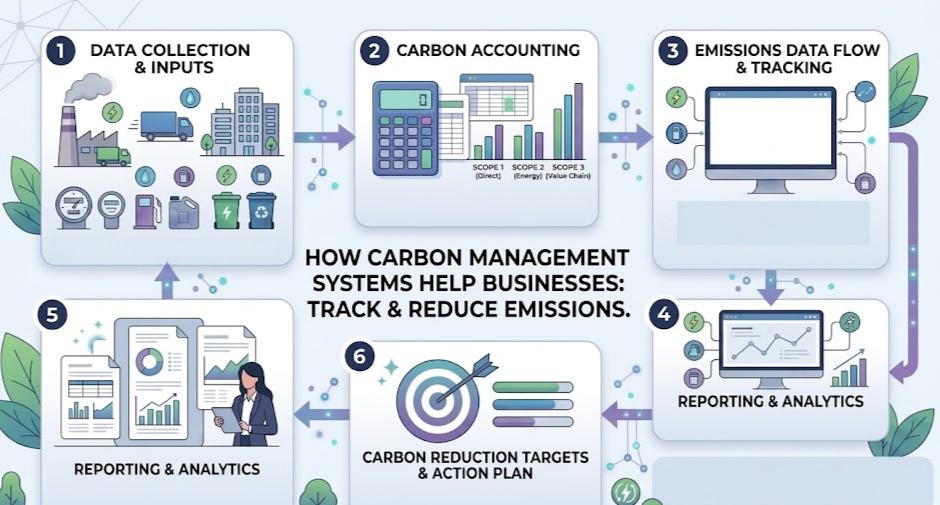
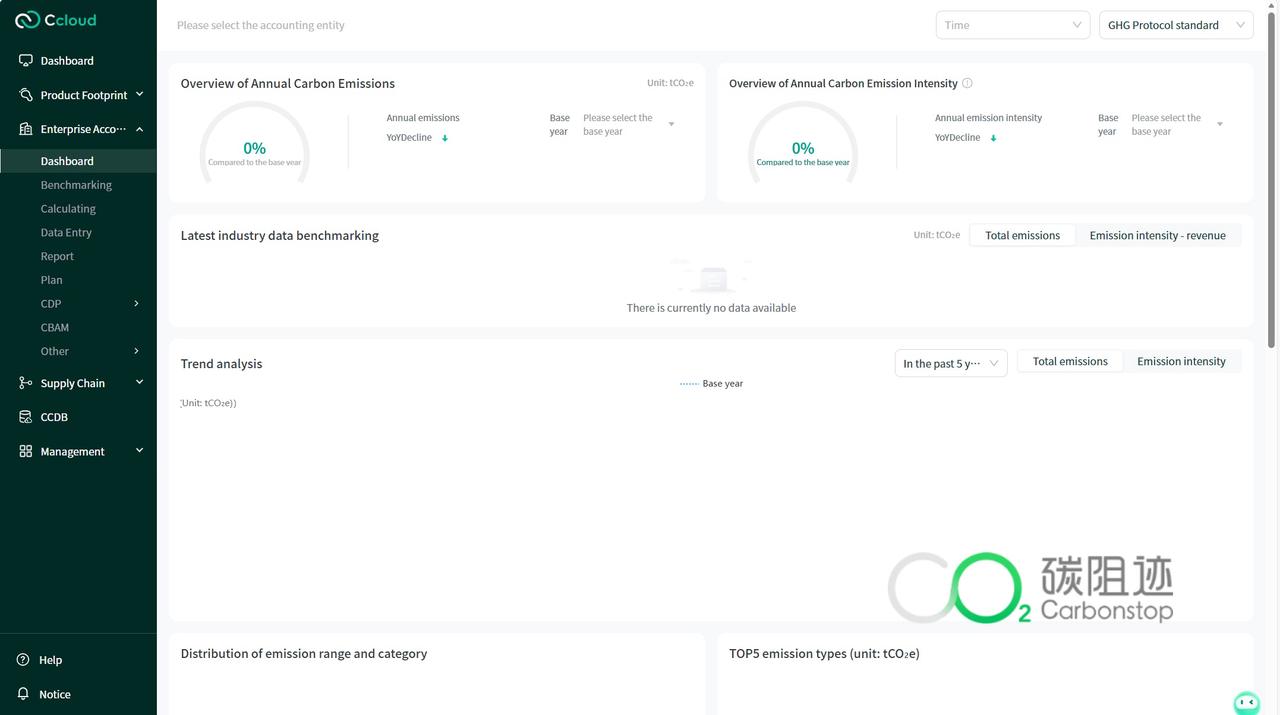
To handle what you track, companies need strong carbon management systems. These tech setups, like a Dual-Carbon Management System, offer live tracking and report tools. Our Carbonstop-Carbon Management Platform, called Carbon Cloud (Ccloud), shows this well. It acts as a "carbon mind," drawing on a large set of over 510,000 emission factors. This automates tracking and keeps things clear.
A current Carbon Asset Digital Management System should have:
- Real-time Dashboards: To watch emission levels and steps toward goals.
- Supply Chain Modules: To gather and check data from early partners (MERIT method).
- AI Integration: To auto-make reports for setups like CDP and ESG shares
Best Practices for Corporate Adoption
For firms set to start this path, we suggest a step-by-step method:
- Establish a Baseline: Use a Carbon Management Platform to do a full emission count.
- Seek Expert Guidance: Team up with carbon management consulting pros to plan a science-based route to zero emissions.
- Digitalize Data: Set up a Carbon Asset Digital Management System to leave behind hand sheets and cut the risk of mistakes.
- Innovate Packaging: Move to the carbon-negative packaging market to cut Scope 3 tracks ahead of time.
- Maintain Transparency: Share results strictly to dodge false green claims and earn trust from stakeholders.

Challenges and Future Outlook
The path to carbon negativity has some roadblocks. Prices for plant-based supplies can run higher. Growing these fixes needs lots of supply line work. Still, the price of doing nothing—like carbon fees and lost sales spots—is much higher. In 2025 and later, we look for Carbon Emission Management to become as common as money tracking. AI-based "Carbon Agents" will manage most data work and improvements.

Conclusion
Moving to carbon-neutral and carbon-negative business ways is both a duty and a smart move. By mixing advanced packaging fixes with pro carbon management consulting and top carbon management systems, firms can create strong, lasting brands. We ask you to join this shift. Use our Carbonstop-Carbon Management Platform to give every product a carbon track and reach real green goals.
Contact CarbonStop Today
Set to guide your field in the low-carbon move? Reach out to us to see how our Enterprise Carbon Management Service Platform and expert Carbon Consulting group can speed your path to carbon neutrality.
FAQ
What is the difference between carbon-neutral and carbon-negative packaging?
Carbon-neutral packaging seeks a zero net balance by cutting emissions and balancing the rest. Carbon-negative packaging steps beyond that. It uses supplies and ways that take more CO₂ from the air than they put out. This gives a net gain to the environment.
How does a Carbon Management Platform help my business?
A tool like Carbon Cloud (Ccloud) handles the hard work of carbon tracking. It gives entry to local emission factor sets. It follows the steps toward goals live. It makes reports ready for ESG and rule shares.
Why is carbon management consulting necessary for Scope 3 emissions?
Scope 3 emissions happen in the supply line. They are often the biggest and toughest to gauge. Advisors use special methods, like our MERIT setup, to involve suppliers. They measure these side effects correctly.
What are the benefits of a Carbon Asset Digital Management System?
Digital setups give data fit for checks. They lower the risks of reporting mistakes and false green talk. They let firms treat carbon like a money asset. These spots have chances for carbon trades or savings via energy use.
How do emerging regulations like CSRD impact my packaging strategy?
Rules like the EU's CSRD call for full shares of green effects. This pushes firms to take up carbon-neutral packaging or carbon-negative packaging. It helps drop their carbon levels. It keeps doors open to world markets.


