


 547
547For years, company sustainability work stayed mostly voluntary. Teams put together occasional reports on corporate social responsibility. That situation has shifted. Companies now deal with required, checked, and more demanding reporting on non-financial matters. Chief Financial Officers, Procurement Directors, and ESG Heads understand that a company’s Environmental, Social, and Governance profile affects borrowing costs, supply chain stability, and entry to markets worldwide. These elements matter as much as the figures in standard financial statements.
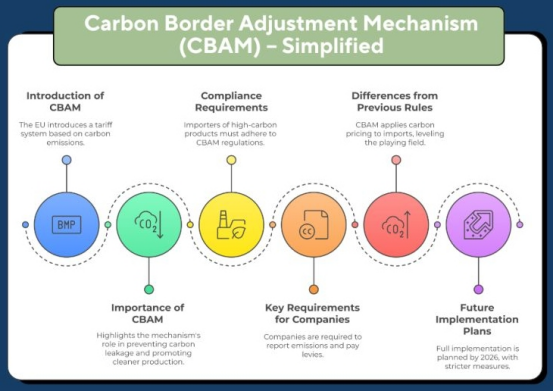
Frameworks such as the EU Corporate Sustainability Reporting Directive (CSRD), the International Sustainability Standards Board (ISSB) standards, and mechanisms like the EU Carbon Border Adjustment Mechanism (CBAM) have changed ESG reporting. It no longer serves as simple marketing material. Instead, it forms a key part of governance and risk handling. Forward-looking businesses treat ESG reports as more than paperwork. They turn them into ways to build lasting business value.

Modern ESG Compliance: Challenges and Imperatives
Rules now call for organized systems that handle non-financial data with the same care given to financial accounts. In manufacturing, companies and their suppliers face three important shifts.
1.Double Materiality Mandate: Under CSRD, firms report how outside risks such as climate change affect their finances. They also show how their daily operations touch the environment and surrounding communities.
2.Audit-Ready Data: Limited assurance applies now, and fuller reasonable assurance will follow. ESG numbers need the same clear records, checks, and trails that financial teams maintain.
3.Cross-Border Supply Chain Scrutiny: CBAM and similar rules demand exact emissions details for goods heading into Europe. Missing reliable information leads to added tariffs or penalties.
Many organizations meet these demands for the first time when auditors arrive. Teams rush to gather information that was never tracked in an organized way. In manufacturing, this often uncovers weak spots in supplier data, especially in areas like China where factory operations and local power grids differ from Western assumptions.

Scope 3 Emissions: The Bottleneck in Manufacturing ESG Strategy
Scope 3 emissions cover indirect releases across the supply chain. They frequently make up more than 80% of a manufacturer’s total greenhouse gas output. The main areas usually involve Purchased Goods and Services (Category 1) and Upstream Transportation (Category 4).
Companies have trouble gathering solid numbers from their vendors. Several difficulties stand out.
•Limitations of Spend-Based Modeling: Turning to industry averages or total spending amounts leads to large inaccuracies. This method does not credit suppliers who have already made real cuts to their emissions.
•Primary Data Gaps: Smaller suppliers, particularly in China and other Asian production centers, often lack the tools or know-how to measure their full emissions.
•Localization Issues: Using emission numbers developed for Europe or North America on Chinese factory activities can give misleading pictures. Reports then lose trust.
Leading companies deal with these problems through steady supplier programs. They introduce digital tools designed for local conditions. Suppliers can then share accurate figures. In time, rough guesses turn into checked primary data that holds up during reviews.
Example: A consumer electronics firm in Guangdong province rolled out a straightforward AI-supported reporting system for its local suppliers. Within one year, the quality of Scope 3 information rose by 35%. Auditor questions dropped, and preparations for CBAM moved faster. Teams on the ground noted fewer last-minute corrections during reporting periods.

Building Audit-Ready ESG Data Infrastructure
Moving away from manual spreadsheets marks an important first step toward solid ESG systems. Risk and sustainability managers pay attention to four main areas.
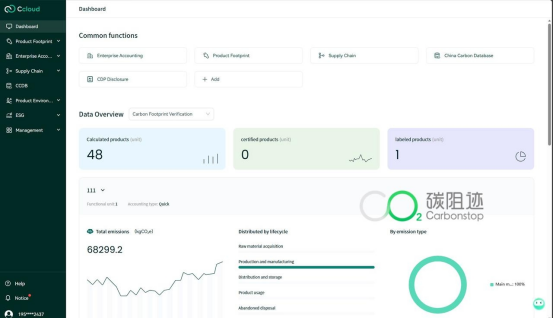
1.Data Traceability and Verification: Each number must link back to its origin, whether it is utility bills, material records, or supplier submissions. Tools like Carbonstop's Ccloud pull in data automatically and watch for odd patterns. Issues surface early, long before external reviews begin. In monthly checks, teams often catch mismatched records from regional warehouses instead of facing surprises at year-end.
2.Localized Emission Factors: Broad worldwide datasets create compliance holes. Detailed regional sources, such as the China Carbon Database (CCDB) with over 300,000 localized factors, help match both national requirements and international standards like the GHG Protocol. Factories using these local references report smoother audit processes and fewer follow-up questions.
3.Dynamic Scenario Modeling: Good systems let leaders test possible changes in real time. Examples include moving to renewable power agreements, adjusting shipping paths, or updating packaging designs. Teams see both cost and emission effects ahead of final choices.
4.Baseline Tracking and Continuous Improvement: Regular monitoring sets up a cycle of review. Teams track progress, spot areas with big potential gains, and show clear results when auditors arrive.

Practical Steps for Executive Leadership
Leadership turns ESG reporting from a required task into a business strength through three direct actions.
1.Audit the Current Data Supply Chain: Look across departments to find weak spots, heavy dependence on global averages, and dangers from manual work or spreadsheets.
2.Deploy Specialized Digital Infrastructure: Choose platforms built for the details of the GHG Protocol, CDP, CSRD, and ISSB. These support AI checks and easier supplier connections.
3.Leverage Data in Procurement: Apply confirmed emissions information to select suppliers, encourage lower-carbon methods, and reduce exposure to future carbon taxes or CBAM charges.
Example: A multinational packaging company reviewed verified Scope 3 numbers and shifted toward suppliers with lower emissions. Compliance became stronger, supplier talks improved, and annual costs dropped by about 5%. Procurement staff found they could discuss improvements more confidently with data in hand.

Conclusion: From Compliance to Competitive Advantage
ESG reporting has become a permanent part of business. Companies that depend on rough estimates face compliance troubles, accusations of greenwashing, and weaker market positions. Manufacturers who develop checked, AI-supported, and locally adjusted ESG systems gain several benefits:
•Clearer views of Scope 3 emissions
•Better control over supply chains
•Quicker access to funding and rule compliance
•Stronger position when choosing suppliers
Evaluate your ESG data setup now. Using localized emission factors, automatic checks, and organized supplier work goes beyond meeting rules. It builds a base for steady, long-term company value. Carbonstop’s platform supplies these features to help manufacturing leaders make ESG reporting a real business asset.

Strategic FAQ for Manufacturing ESG Leaders
How can firms reconcile conflicting Western and local reporting requirements?
Build one main data system around core international standards. Add localized factors, such as the China Carbon Database, to match conditions in each region accurately.
Why do auditors often reject Scope 3 disclosures?
Rejections usually come from too much use of unverified averages, unclear trails back to original sources, and weak ongoing checks on supplier information.
How does product-level carbon accounting (ISO 14067) feed corporate ESG reporting?
Detailed tracking at the product level changes broad Scope 3 guesses into solid numbers based on materials and processes. Procurement teams then use these insights to cut emissions step by step across suppliers.
What role does AI play in carbon data verification?
AI connects supplier records to the right emission factors. It spots unusual entries right away and creates clear calculation steps that prepare materials for audits more quickly.


