


 1337
1337Please see the following options, which one emits less carbon under equal quality?
A. Pepper Beef Patty
B. Plant-Based Pepper Beef Patty
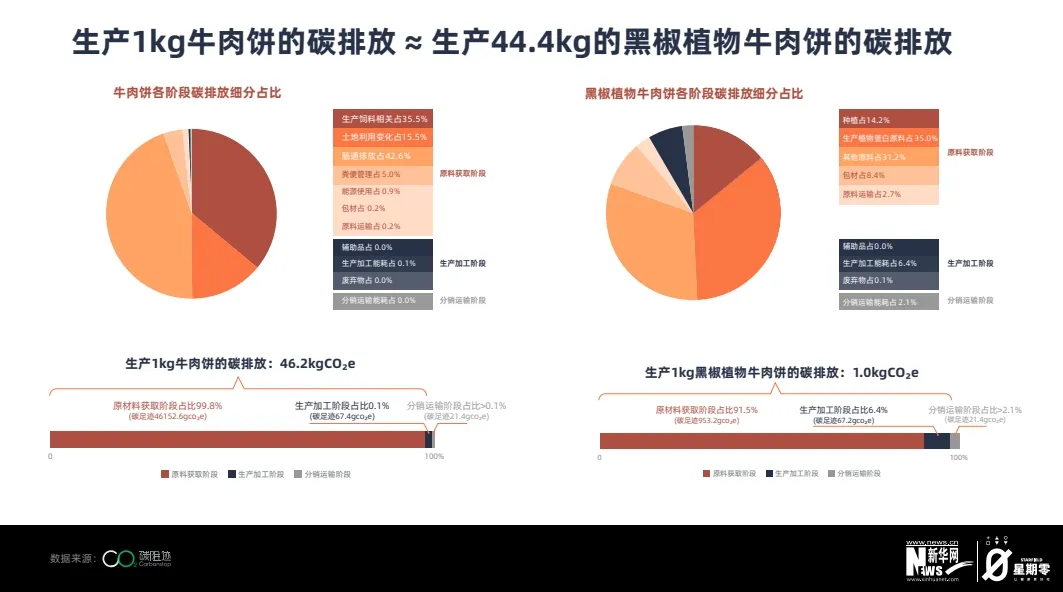
The answer is: B, the carbon emission of the plant-based pepper beef patty is 1.04 kgCO₂e, only 1/44th of the carbon emission (46.2 kgCO₂e) of the pepper beef patty.
The above plant-based pepper beef patty comes from the Chinese plant protein food technology company "Star Zero", which has just completed a $100 million Series B financing round at the beginning of the year.
Under the context of dual carbon goals, the plant-based meat market is undergoing significant changes. According to forecasts by relevant consulting institutions, the global plant-based meat market size was approximately $18.4 billion in 2022, expected to grow at an annual compound growth rate of about 15%, reaching $27 billion by 2025, while the Chinese plant-based meat market size is expected to reach $14.2 billion.

Source: 2022 China Plant-Based Meat Carbon Reduction Insight Report
Recently, the plant-based protein food technology company "Star Zero" joined forces with Xinhua News Agency, Carbonstop, Beijing Agricultural College, and nearly ten experts to release the 2022 China Plant-Based Meat Carbon Reduction Insight Report (hereinafter referred to as the report), providing a comprehensive review and outlook on the plant-based meat industry.
01 How Low-Carbon is Plant-Based Meat? Carbonstop Speaks with Data
When asked "Why eat plant-based meat?", people have different answers: animal protection, environmental friendliness, food safety, lower calories, religious beliefs, family habits, etc., among which environmental friendliness is often mentioned. Compared to animal meat, plant-based meat significantly reduces environmental pollution and greenhouse gas emissions during livestock farming.
Then, how low-carbon is plant-based meat really?
Based on the wide market coverage and diverse application scenarios of its products, Star Zero selected five plant-based meat products from its lineup: Plant-Based Pepper Beef Patty, Plant-Based Pasque, Plant-Based Sliced Ham, Plant-Based Lion's Head, and Plant-Based Crispy Chicken Cutlet for carbon reduction calculation. To quickly obtain accurate carbon reduction results, Star Zero engaged in deep cooperation with Carbonstop.
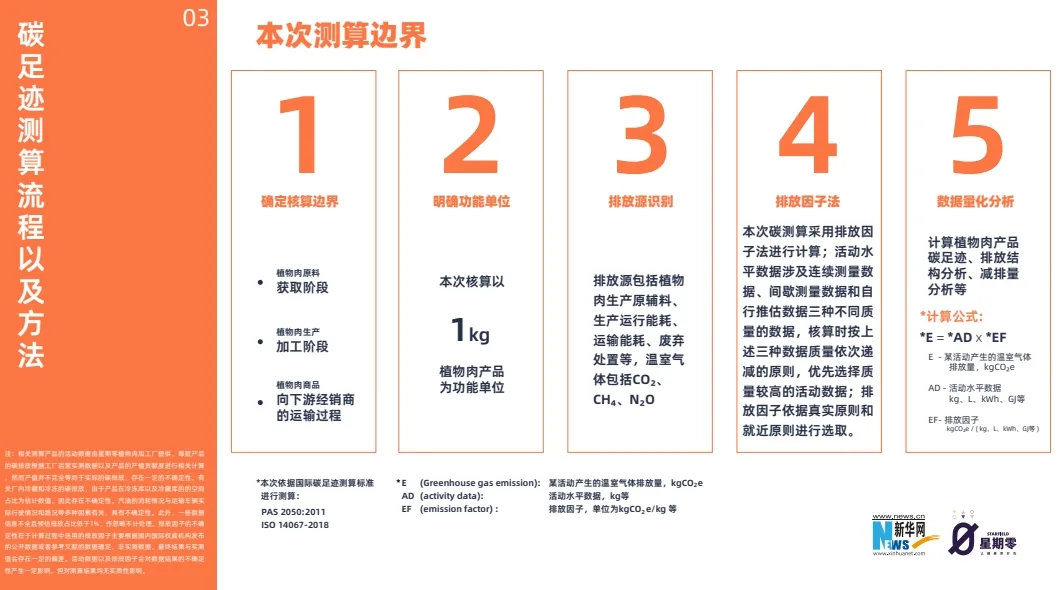
Carbonstop calculated the carbon emissions from three stages: 【carbon emissions generated from the input of various raw materials for plant-based meat】, 【production and manufacturing】, and 【transportation and storage】.
Source: 2022 China Plant-Based Meat Carbon Reduction Insight Report
According to professional calculations by Carbonstop, the carbon emission of 1 kilogram of Plant-Based Pepper Beef Patty is 46.2 kgCO₂e, 1 kilogram of Plant-Based Pasque is 34.9 kgCO₂e, 1 kilogram of Plant-Based Sliced Ham is 4.6 kgCO₂e, 1 kilogram of Plant-Based Lion's Head is 4.1 kgCO₂e, and 1 kilogram of Plant-Based Crispy Chicken Cutlet is 0.7 kgCO₂e.
Source: 2022 China Plant-Based Meat Carbon Reduction Insight Report
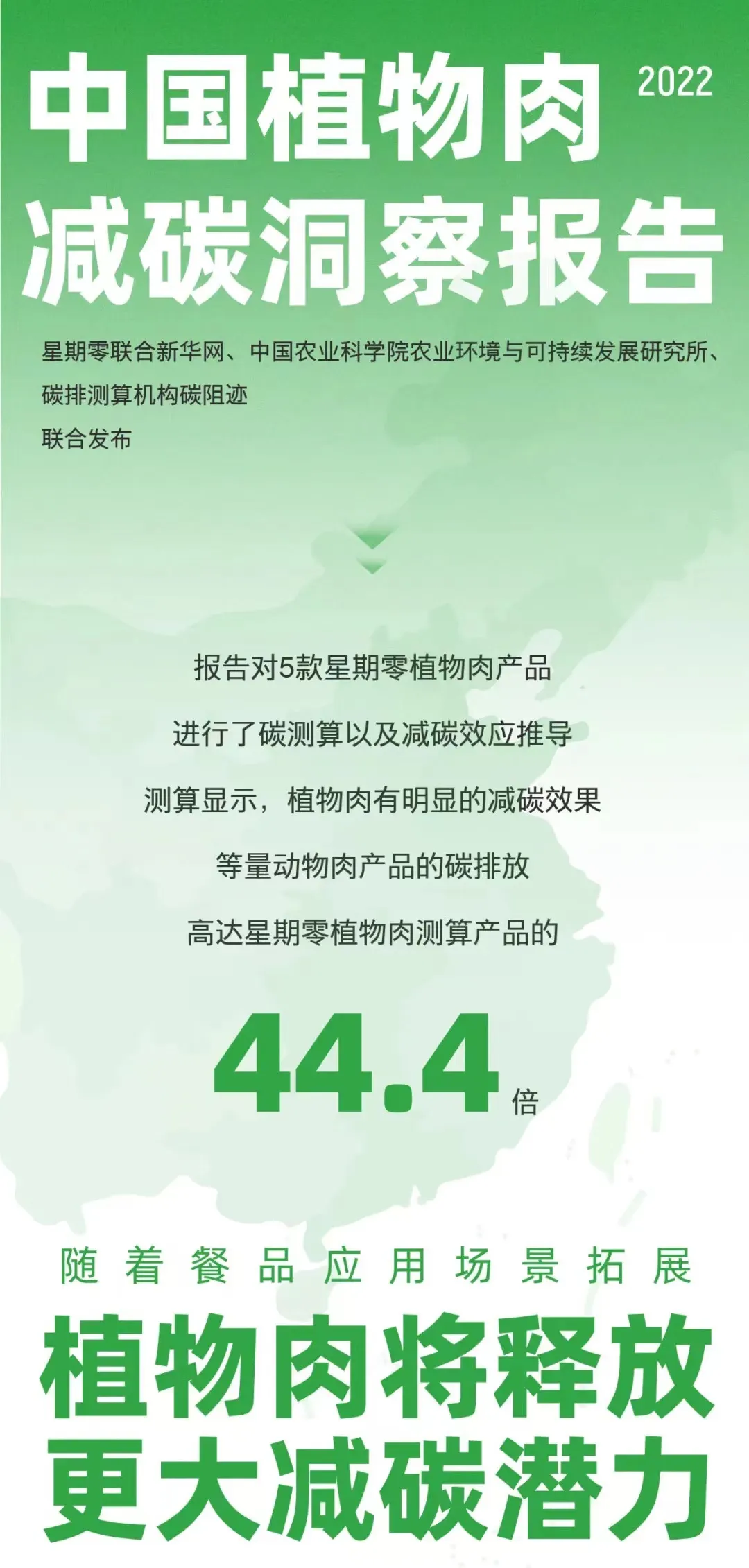
Plant-based meat has a significant carbon reduction effect compared to conventional meat products, with the carbon emission of equivalent animal meat being up to 44.4 times higher than that of Star Zero's plant-based meat.
02 Supporting the Plant-Based Industry, Making Every Product Have a Carbon Footprint
The "carbon reduction" performance of plant-based products aligns with the core strategy of "peak carbon and carbon neutrality" development, welcoming new trends in development. This time, calculating the carbon reduction of Star Zero's plant-based meat products is not the first time Carbonstop has worked with plant-based products.
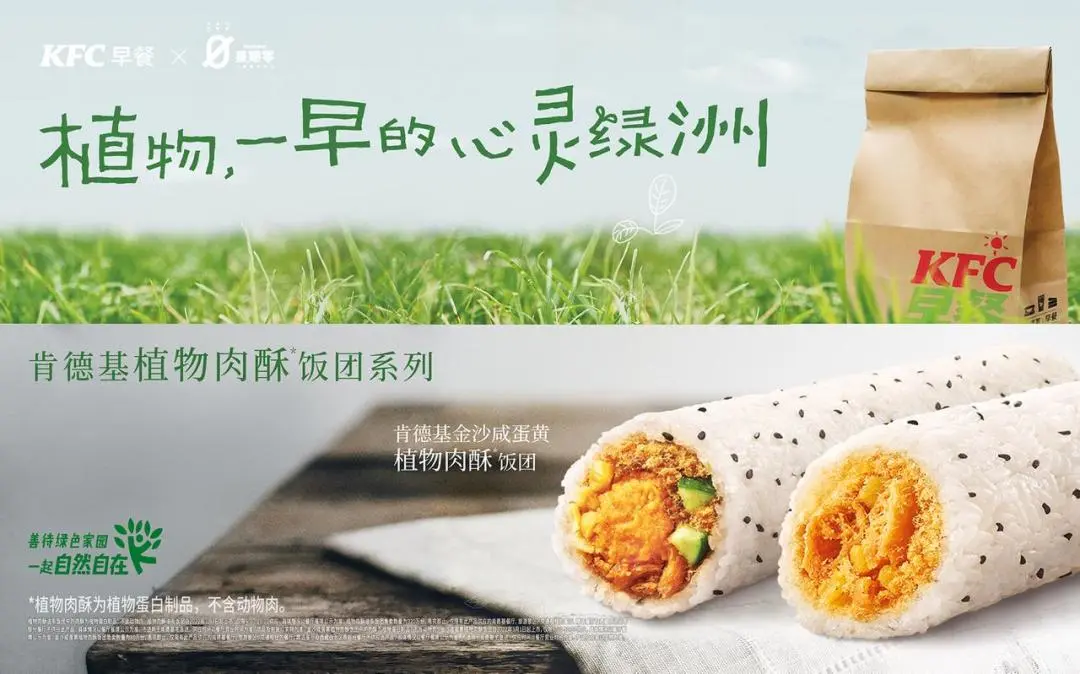
In 2021, to respond to the "dual carbon" strategy, KFC China launched the [Nature 'Detect Carbon' Starting Towards Zero] carbon reduction activity. KFC's determination towards net-zero initiatives and its high standards and requirements for innovation and professionalism in carbon reduction activities led to cooperation with Carbonstop.
Carbonstop not only measured the carbon footprint of breakfast oat drinks and other products for KFC but also provided professional carbon neutralization technology guidance.
Source: KFC
Carbonstop has always empowered consumer sector companies with carbon management and carbon reduction through professional carbon management knowledge and technical capabilities. In the future, Carbonstop will continue to cooperate with more enterprises and institutions, promoting green innovation and professional technology to give every product a carbon footprint, assisting companies in achieving low-carbon and sustainable development.


