


 1317
1317I. Current Situation
1. Select Products for Carbon Footprint Calculation Trials
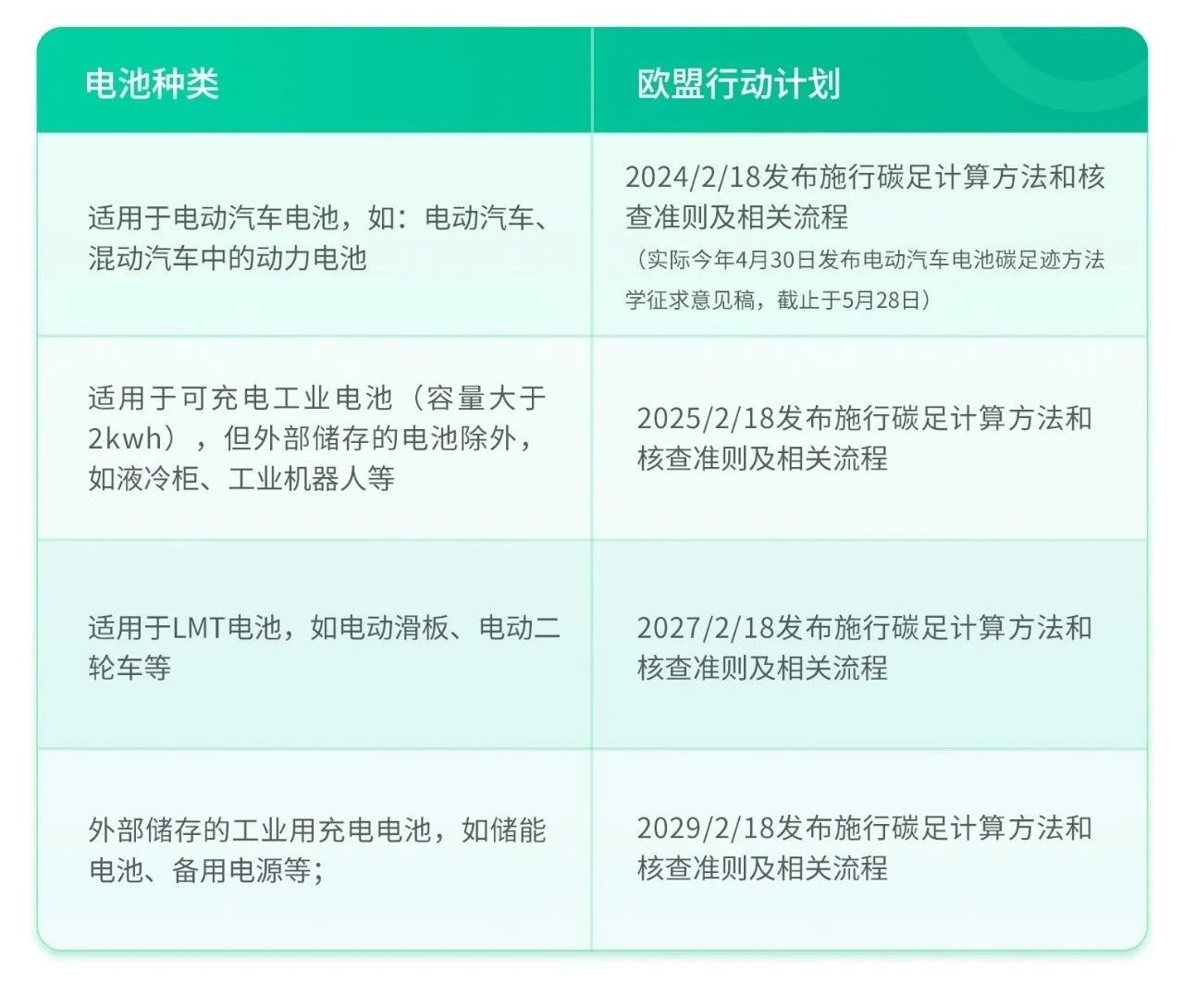
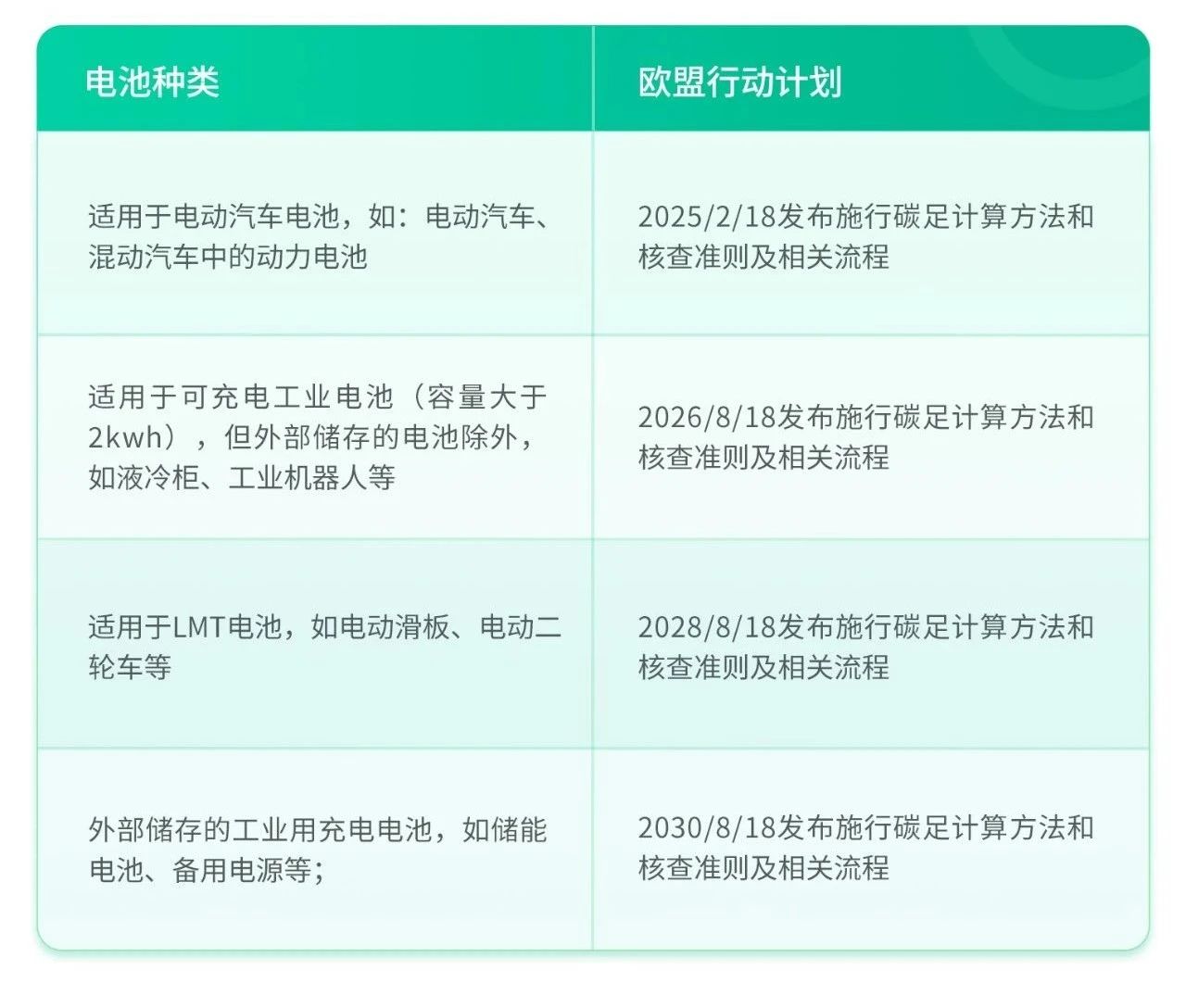
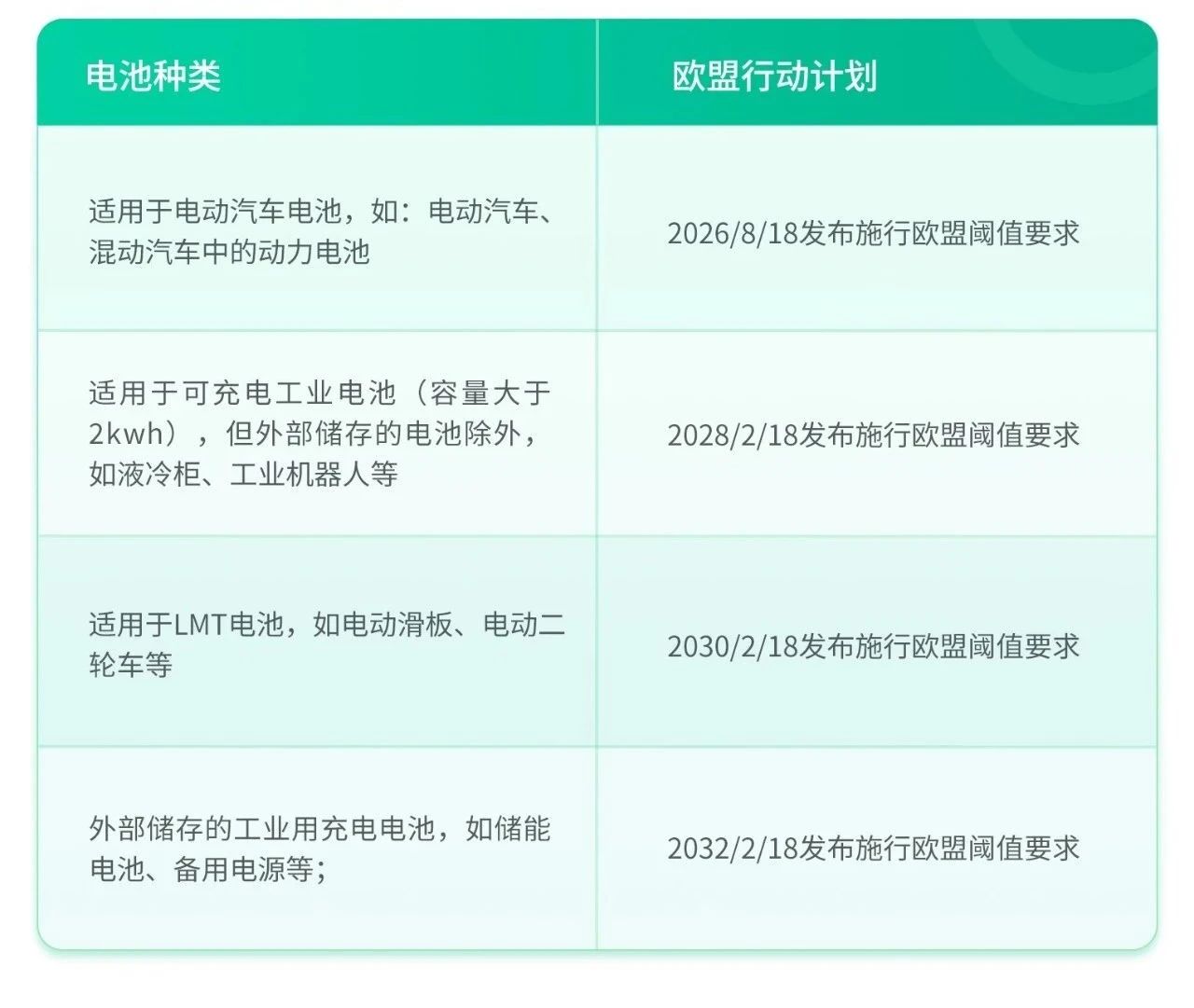
(1) Based on the urgency of carbon footprint disclosure requirements, it is recommended that companies select products for trial calculations in the following order: electric vehicle batteries (by 2025), industrial batteries (non-external storage) (by 2026), LMT batteries (by 2028), and external storage industrial batteries (by 2030).
(2) After selecting the battery category, it is recommended that companies prioritize certification based on the scale of customer orders for trial calculations.
(3) Companies are advised to select specific product models for certification trials based on the number of components, types of raw materials, and number of suppliers, combined with the ease of obtaining data from upstream suppliers.
2. Establish a Data Collection System
(1) Improve the company's three-level metering equipment configuration according to the "Energy Metering Equipment Allocation and Management for Energy-consuming Units," enhance the operation and management of key energy-consuming equipment, and conduct routine recording of energy consumption data for key energy-consuming equipment.
(2) Improve the company's energy consumption original ledger, energy-consuming equipment ledger, and invoice (including verification copies) preservation system, and manage energy consumption data analysis routinely.
(3) Improve the company's energy consumption data management. Depending on the company's actual situation, conduct energy consumption data monitoring and analysis work by workshop, production line, process, and equipment where conditions permit.
(4) Strengthen the management of production material requisition records. Depending on the company's actual situation, conduct material consumption data monitoring and analysis work by workshop, production line, process, and equipment where conditions permit.
(5) Build a production supply relationship map and establish a data collection and management collaboration mechanism with suppliers.
(6) Strengthen the management of procurement information, recording supplier information, purchase batches, quantities, and application products.
(7) Strengthen the management of logistics information, recording weight differences before and after unloading and truck model information.
3. Pay Attention to the Details of the EU's New Battery Regulation
(1) Carbon footprint calculation and verification details;
(2) Carbon footprint classification details;
(3) Carbon footprint threshold setting details;
(4) Active material recycling rate calculation details (the EU plans to release and implement methods for calculating and verifying recycling ratios on August 18, 2026);
(5) Battery labeling and battery passport design rules (the European Commission plans to adopt detailed implementation rules by August 18, 2025, to set uniform specifications);
(6) Certification rules for battery products entering the EU market, etc...
II. Future
1. Conduct Carbon Footprint Calculations for Battery Products in Phases
(1) According to the timelines set by the EU's new battery regulation, conduct carbon footprint calculations for different types of batteries in phases, in an orderly manner;
(2) Based on the timelines and future detailed regulations set by the EU's new battery regulation, conduct carbon footprint certifications for different types of batteries in phases, in an orderly manner;
2. Improve Data Management Systems and Enhance Corporate Digital Management Levels
(1) Gradually establish and improve the company's energy management system, build an energy management platform, and implement real-time monitoring, control, and analysis of the company's energy consumption data, along with digital management;
(2) Real-time monitoring of key energy-consuming equipment and linking it to the company's digital energy management platform;
(3) Based on preliminary foundational work, digitally manage the company's business travel, logistics, express delivery, procurement, and other information;
(4) Under the premise of ensuring data quality and security, explore the establishment of a data reporting linkage mechanism with upstream suppliers and downstream customers under the guidance of relevant departments through thorough negotiations and consultations, jointly promoting the construction of a battery carbon footprint database;
3. Focus on Energy-saving Measures to Reduce Product Carbon Footprints
(1) Pay attention to industry frontier technologies, combine them with the national directory of promoted low-carbon and green energy-saving technologies, and initiate feasible energy-saving technical renovation projects;
(2) Through energy-saving diagnosis services, identify energy-saving potential, recognize key energy-consuming processes and equipment, and adopt feasible energy-saving measures;


