


 676
676On the afternoon of January 21, 2021, Microsoft will host the "Microsoft Empowering a Sustainable Future" — Microsoft Sustainability Center of Excellence series of events. During this event, Microsoft will invite experts from different professional fields within the Microsoft ecosystem, including Carbonstop, Accenture, SGS, and others, to discuss various topics such as trends in sustainable business development, digital insights for sustainable business, renewable energy, energy efficiency, and water and waste management.
Carbonstop has been invited to participate in the event design and thematic sharing, and will co-host the event with Microsoft.
The rapid growth of population and industrial development have brought us modern lifestyles while also presenting unprecedented new challenges to the planet. Greenhouse gas emissions continue to cause climate changes, and the consumption of water resources and waste impact the environment, leading to disasters for biodiversity. To achieve sustainable development and a more prosperous future for our living environment, it is necessary to respect resource limitations, make full use of renewable resources, and repair previous damages. We believe that a better future can be built through technology and our own efforts, which benefits not only business but also the planet we live on.
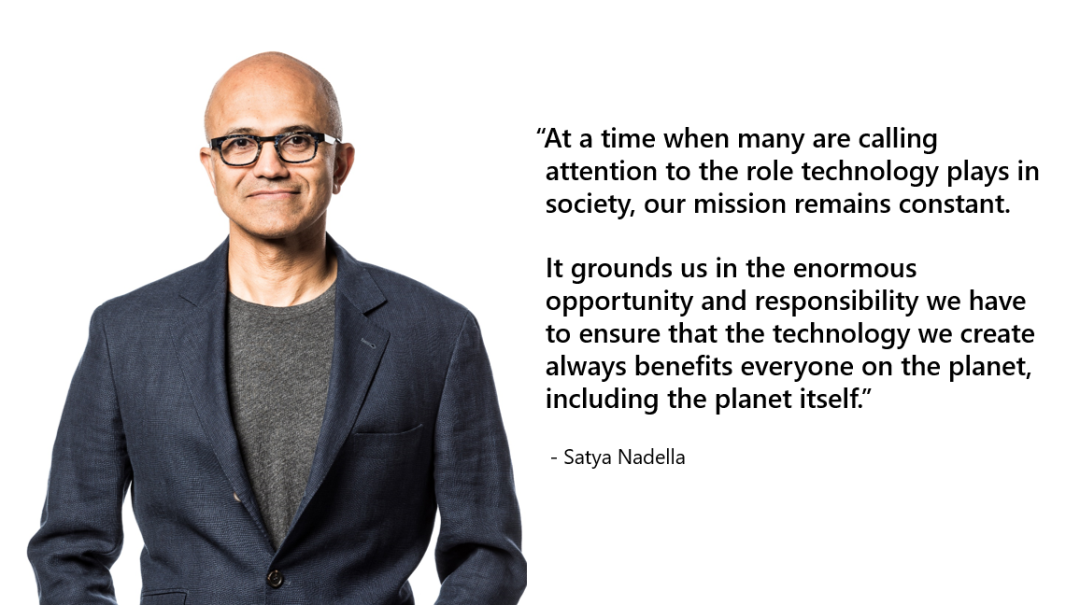
“As many call for attention to the role of technology in society, our mission remains constant. We must seize the opportunity and take responsibility to ensure that the technology we create always benefits everyone on the planet, including the planet itself.”
— Microsoft CEO Satya Nadella
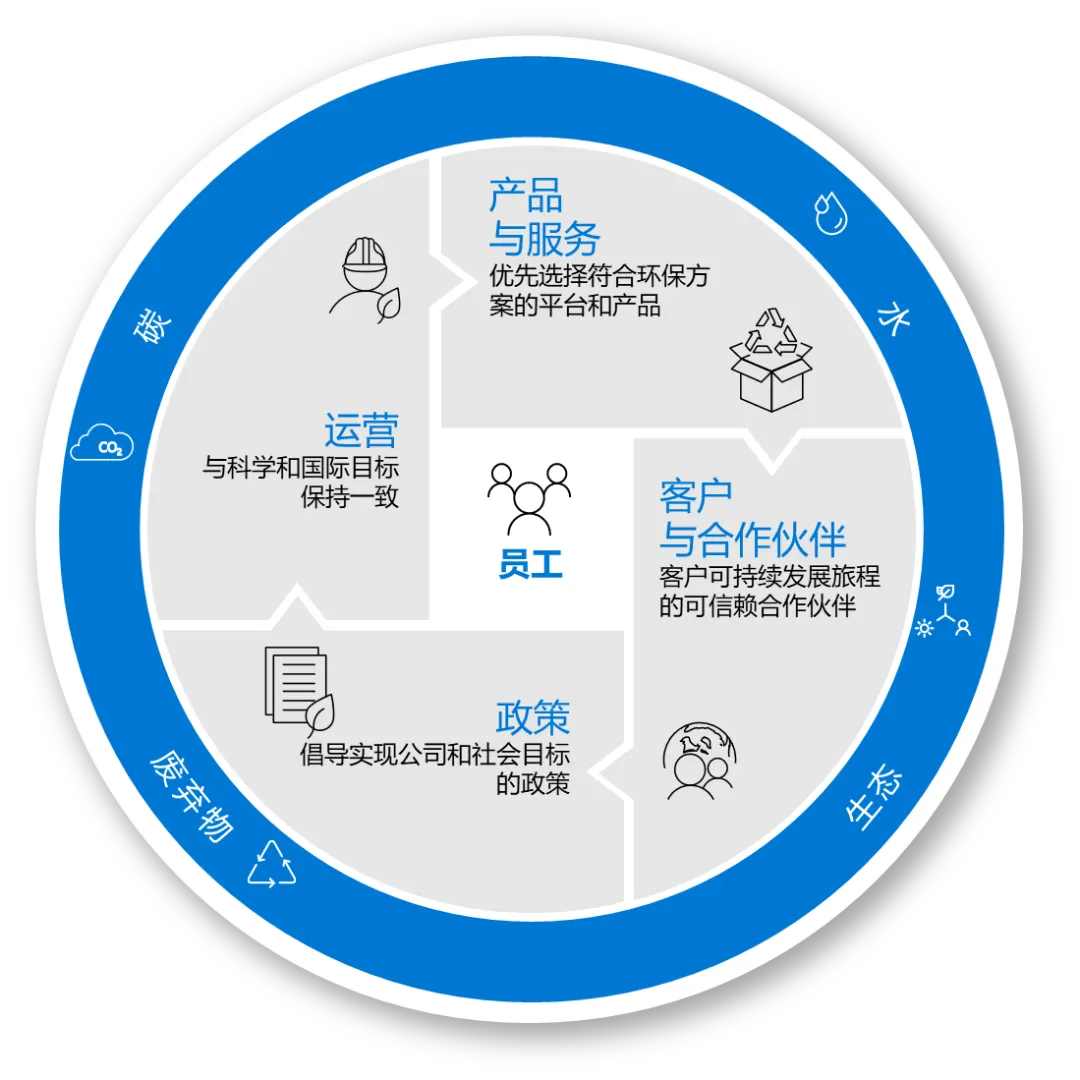
Microsoft has already developed its own methodology in the field of sustainability, evolving from a traditional focus solely on operations, i.e., improving the efficiency and sustainability of offices and data centers, to encompassing the entire company's work, including products and services, customers and partners, policies, and employees themselves.
Achieving Carbon Negativity by 2030
Since setting its first carbon target in 2009, Microsoft has accelerated its work towards carbon neutrality globally since 2012 and is committed to achieving carbon negativity by 2030, completing the Paris Agreement's goals 20 years ahead of schedule. Specific measures include implementing an internal carbon tax within the business and continuously increasing the proportion of clean energy. In 2020, Microsoft purchased 8.2 million megawatt-hours of renewable energy. Microsoft aims to promote sustainability and low-carbon business practices globally through sustainable business practices and cloud-supported technologies.
Advancing Towards Zero Waste
Microsoft oversees the procurement, recycling, and disposal processes of each responsible party to ensure that the production of every device complies with strict environmental standards, some of which are even higher than the regulatory requirements for specific materials, and takes preventive measures to address chemical risks. In terms of industry certification, the U.S. Zero Waste Business Council has awarded Microsoft's headquarters a Gold Zero Waste Certification. Additionally, Microsoft has introduced partners like Johnson Controls and innovative software technologies in the field of building energy efficiency to make buildings more energy-efficient.
Managing Water Resources in a More Proactive Way
Microsoft commits to achieving positive water balance (i.e., replenishing more water than consumed) by 2030. Technology can help better understand where water stress occurs and optimize investments in water replenishment across regions. Through the AI for Earth program, Microsoft has been supporting projects in these areas and is collaborating with partners to innovate and empower partners and customers worldwide to develop solutions. Microsoft is working with Water.org, a global leading nonprofit focused on underserved communities, to ensure that 1.5 million people have access to clean drinking water and sanitation over the next three years. This work will focus on seven countries: Brazil, China, India, Indonesia, Malaysia, Mexico, and South Africa.

From Supply Chain to Operational Sustainable Ecosystem
Microsoft's investments in sustainability will be integrated into products, services, and devices. When designing devices from Surface to Xbox, there is a focus on the application of eco-friendly materials. In cloud and AI services, Microsoft not only focuses on data center operations but also participates in more than 40 projects worldwide to help make a local impact and improve environmental outcomes, aiming to help businesses reduce energy consumption, minimize physical footprint, and design sustainable products themselves.
A Global Community of Sustainability Enthusiasts
Microsoft has passionate employees dedicated to sustainability around the world. The sustainability community, founded in 2018, now has over 2,500 members spread across more than 100 countries and regions. Community members contribute to sustainability projects through continuous learning, exchanges, and activities such as hackathons. These active participations and potential projects are constantly driving transformative changes in sustainability.