


 959
959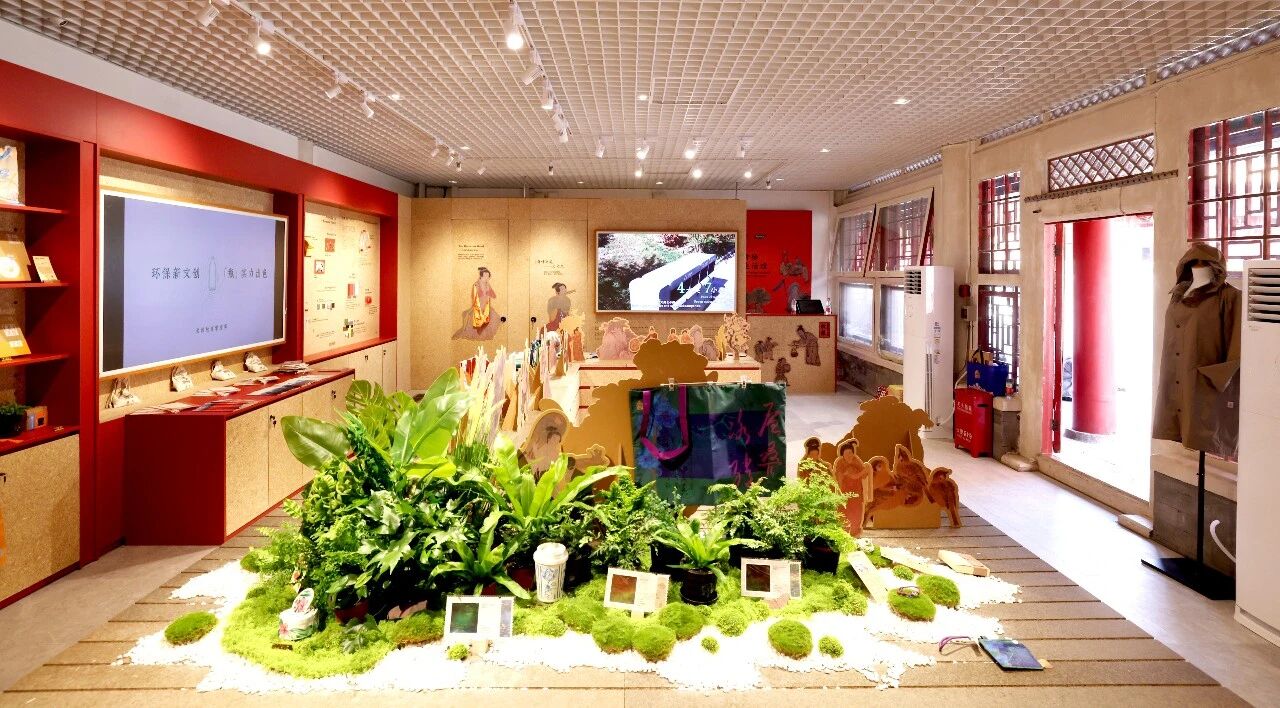
Verdant Living Pavilion, a Dedicated Green Cultural Retail Store
As spring ushers in new beginnings, red palace walls reflect fresh shades of green. In 2026, the opening year of China’s 15th Five-Year Plan, the State Council’s Action Plan for Comprehensive Solid Waste Management explicitly calls for the implementation of comprehensive solid waste governance, elevating the principles of reduction, resource recovery, and harmless treatment to a new strategic level. Coinciding with the International Day of Zero Waste on March 30, the Palace Museum officially opened its first dedicated green cultural retail store, Verdant Living Pavilion, located beside the Jiaotai Hall.
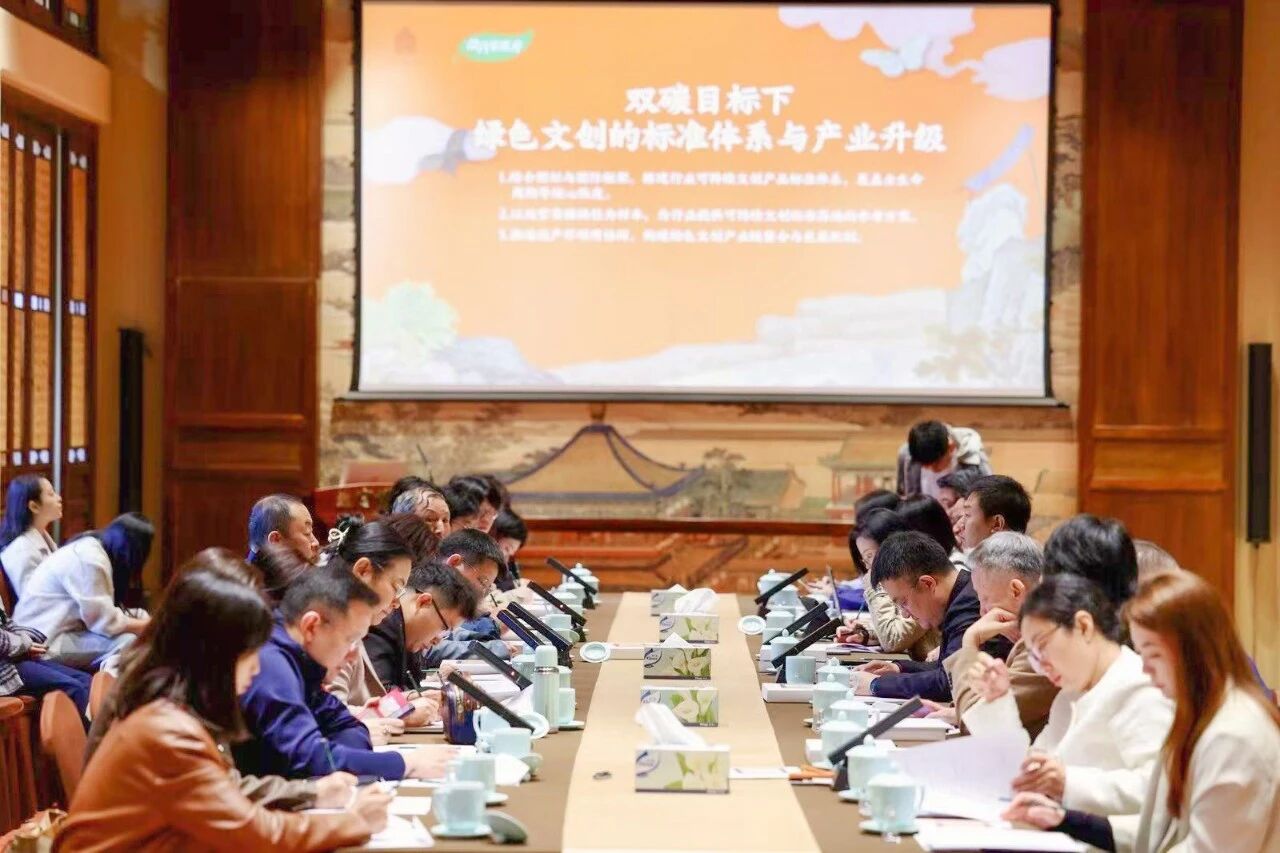
At the same time, a professional exchange forum themed “Weaving Green Chains, Empowering Innovation with Technology: Upgrading the Green Cultural and Creative Industry Across the Full Life Cycle in Culture and Tourism” was also held. More than 20 representatives and experts attended, including those from UN-Habitat, the Research Office for Xi Jinping Thought on Ecological Civilization at the Institute of Resources and Environment Policies of the Development Research Center of the State Council, the Beijing Municipal City Management Commission, Tsinghua University, the Palace Museum, the Vanke Foundation, the Beijing Green Sunshine Environmental Protection Foundation, Carbonstop, as well as scholars and specialists in green design, circular economy, and cultural heritage conservation.
The forum focused on the development of standards, products, and scenarios for green cultural and creative industries. Following the principle of “small entry points, big scenarios, broad participation, and in-depth discussion,” the event revolved around three core topics.
In the session on “Standard Systems and Industrial Upgrading for Green Cultural and Creative Industries Under the Dual-Carbon Goals,” experts discussed pathways for establishing a full life-cycle standard system for green cultural and creative products, as well as mechanisms for integrating the industrial chain through government-industry-academia-research-user collaboration, combining international frameworks with domestic practice.
In the session on “Developing Green Cultural and Creative Products Through the Integration of Cultural Heritage and Ecological Values,” guests from the fields of design, materials, and carbon accounting exchanged views on innovative combinations of Palace cultural genes and recycled materials, the application of AI in extracting cultural elements and tracking carbon footprints, and the evolution of green cultural and creative products from individual innovation to systematic development.
In the session on “Building Green Consumption Display and Service Scenarios in Culture, Tourism, and Museums,” participants used Verdant Living Pavilion as a model to explore exhibition design that integrates both cultural and environmental themes, the scenario-based linkage between film and television IP and green cultural products, promotion through world heritage platforms, and the role of public welfare organizations in raising public awareness.
Wang Yuegong, Deputy Director of the Palace Museum, extended a warm welcome and sincere thanks to all the guests on behalf of the museum. He noted that the opening of Verdant Living Pavilion on the International Day of Zero Waste in 2026, the first year of the 15th Five-Year Plan, carries special significance. Since 2020, the Palace Museum and the Vanke Foundation have jointly advanced the “Zero Waste at the Palace Museum” initiative, putting into practice the traditional wisdom of “respecting nature and cherishing resources” and “making full use of all things.” Over the past six years, the initiative has achieved remarkable results: more than 70,000 plastic bottles have been transformed into cultural and creative products, and the cumulative carbon reduction from eco-friendly cultural products has exceeded 4 tons, bringing the zero-waste concept into everyday life. He emphasized that Verdant Living Pavilion marks an important step in upgrading “Zero Waste at the Palace Museum” into a broader “Green Palace Museum” initiative. Looking ahead, the museum will take the forum as an opportunity to deepen cooperation, refine standards, and promote full-chain upgrading of the green cultural and creative industry, enabling traditional culture and ecological civilization to flourish together. He expressed hope that all experts would share their insights and contribute wisdom toward improving the standard system for green cultural and creative industries and promoting high-quality industrial development.
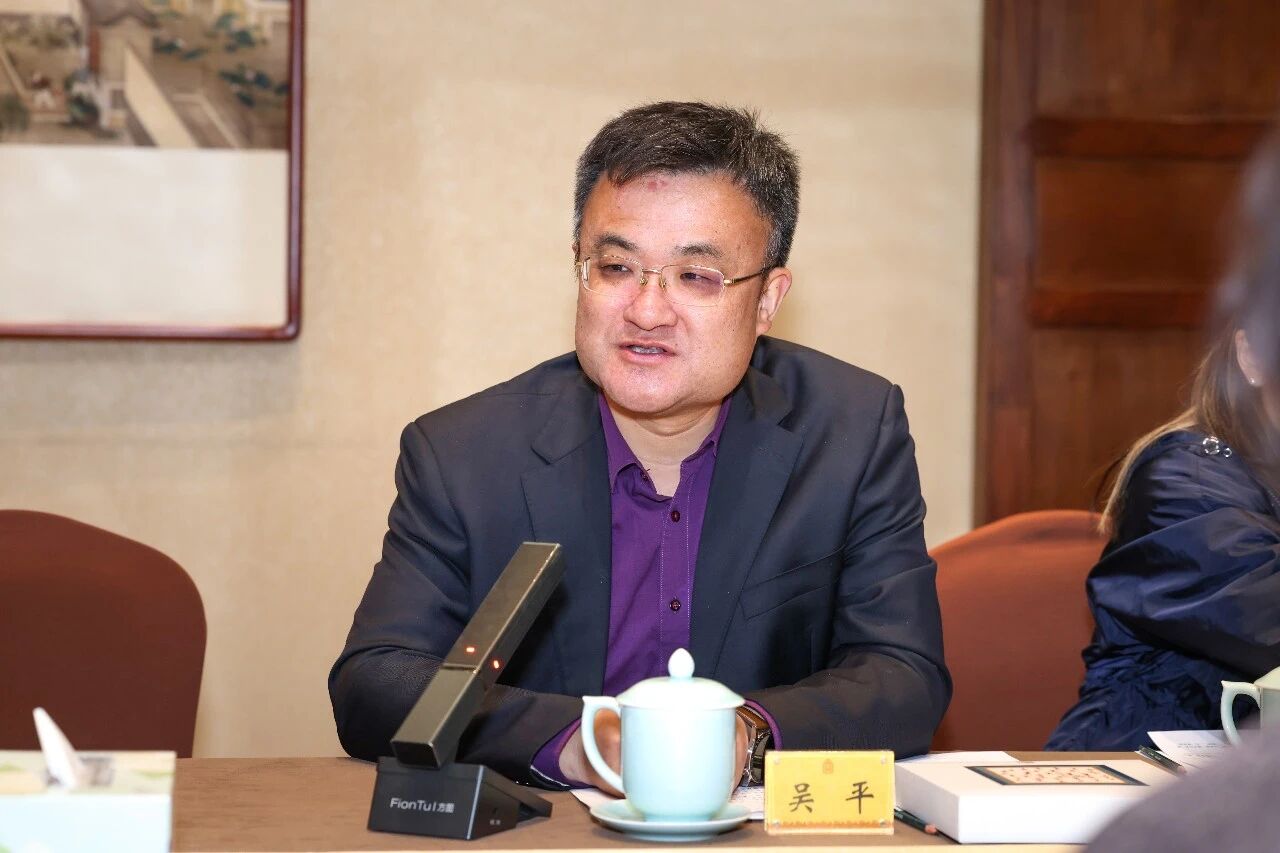
Wu Ping
Executive Deputy Director and Research Fellow, Research Office for Xi Jinping Thought on Ecological Civilization, Institute of Resources and Environment Policies, Development Research Center of the State Council
Wu Ping stated that Chinese modernization is modernization characterized by harmony between humanity and nature, and that building a Beautiful China is a major national strategy. China has already clarified its development goals for 2035 and the middle of this century, and has introduced the Ecological and Environmental Code and implemented the so-called “Ten Measures on Solid Waste,” providing strong legal and policy support for green and low-carbon development and the circular economy. These measures represent a milestone in China’s legal history and a creative transformation of traditional Chinese ecological wisdom. As a carrier of millennia-old civilization, the Palace Museum embodies the concept of harmony between humanity and nature throughout its heritage. Verdant Living Pavilion deeply integrates ecological civilization with traditional culture, making it a benchmark for green cultural and creative products and consumption scenarios.
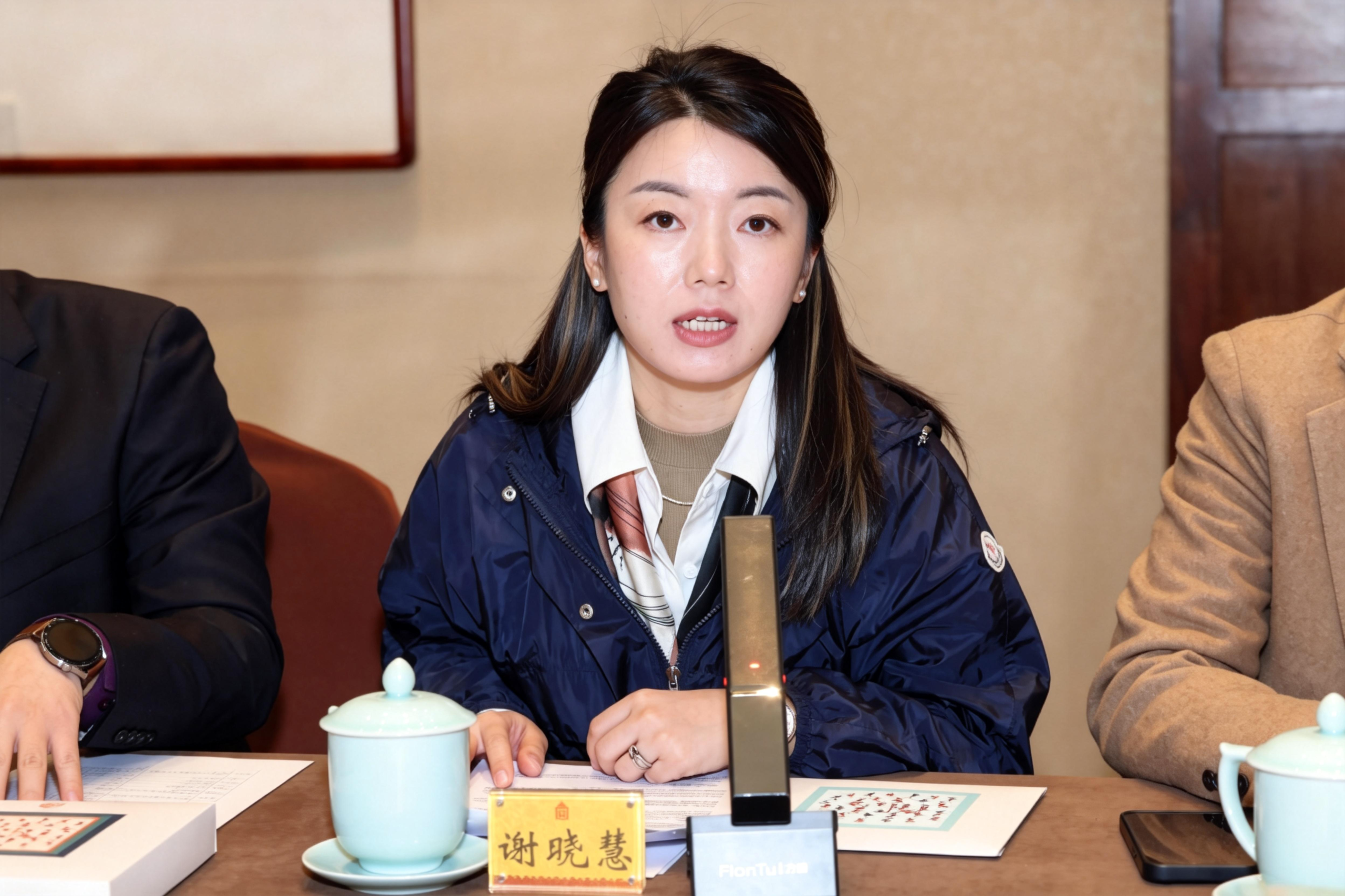
Xie Xiaohui
Secretary General, Vanke Foundation
Xie Xiaohui noted that international practice in sustainable consumption has shown that sustainability should be integrated into daily life and consumer choices. Verdant Living Pavilion is China’s first dedicated green cultural retail store to deeply combine traditional culture with sustainable values. Using traceable eco-friendly materials to carry cultural narratives, it transforms the traditional wisdom of “respecting nature and cherishing resources” and “making full use of all things” into a modern lifestyle. She expressed her hope that Verdant Living Pavilion and this forum would serve as a starting point for moving green cultural and creative industries from single-product innovation toward full-industry-chain upgrading, providing a reference model for zero-waste cities and green development at world heritage sites.
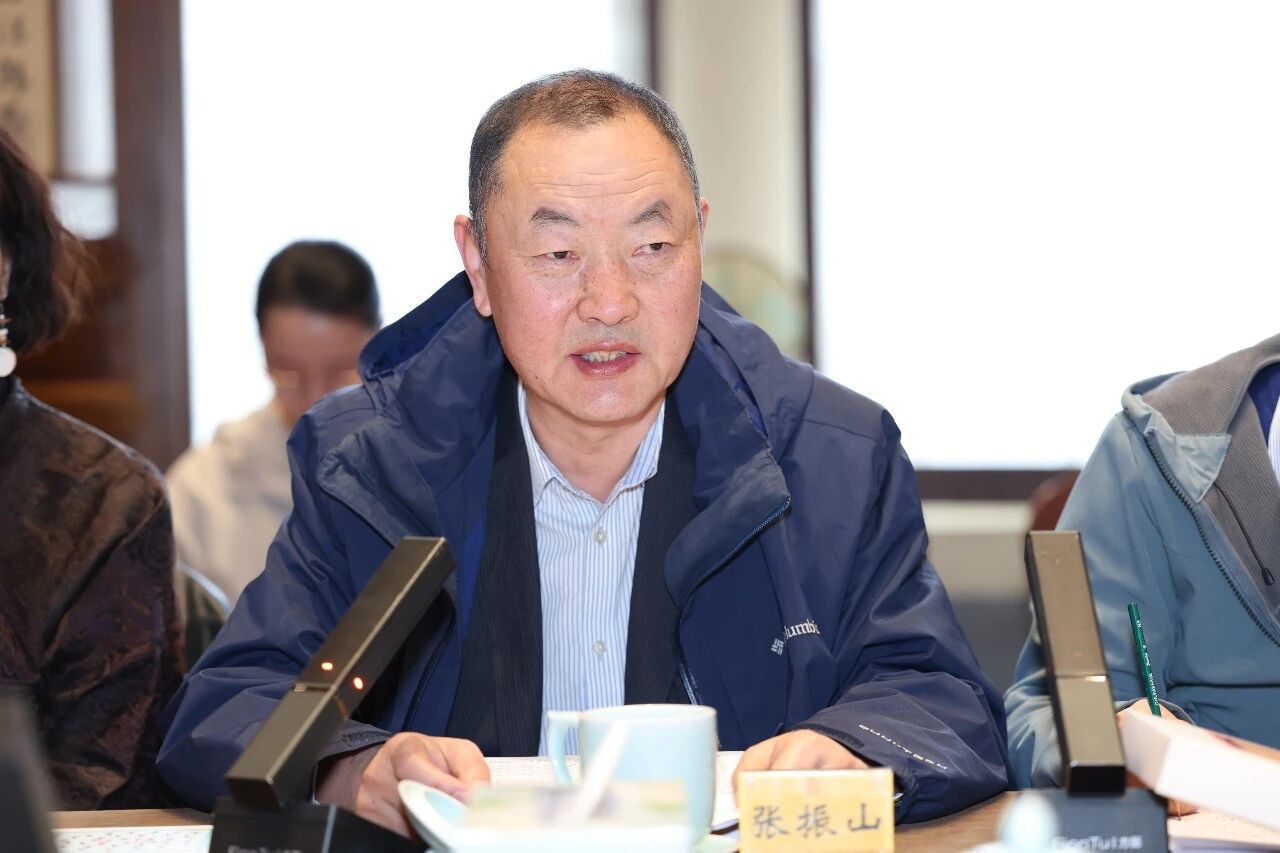
Zhang Zhenshan
Senior Advisor, UN-Habitat China Office
Zhang Zhenshan pointed out that global urban solid waste emissions continue to rise, making zero-waste action increasingly urgent. UN-Habitat has long supported green and sustainable urban development around the world through smart waste reduction projects. March 30, the International Day of Zero Waste, was officially established by the United Nations General Assembly in 2022 as a global observance aimed at promoting sustainable production and consumption patterns and raising public awareness of zero-waste concepts. As a world cultural heritage site, the Palace Museum’s integration of zero-waste principles with the finest elements of traditional Chinese culture represents an innovative practice in combining green cultural creation with heritage conservation. The opening of Verdant Living Pavilion contributes Chinese wisdom and solutions to global sustainable development. He expressed hope that Verdant Living Pavilion would serve as a demonstration project, inspiring more museums and tourism institutions to integrate zero-waste principles into full life-cycle operations and promoting coordinated progress in cultural inheritance and green development, thereby offering a reference for the sustainable transformation of world heritage sites.
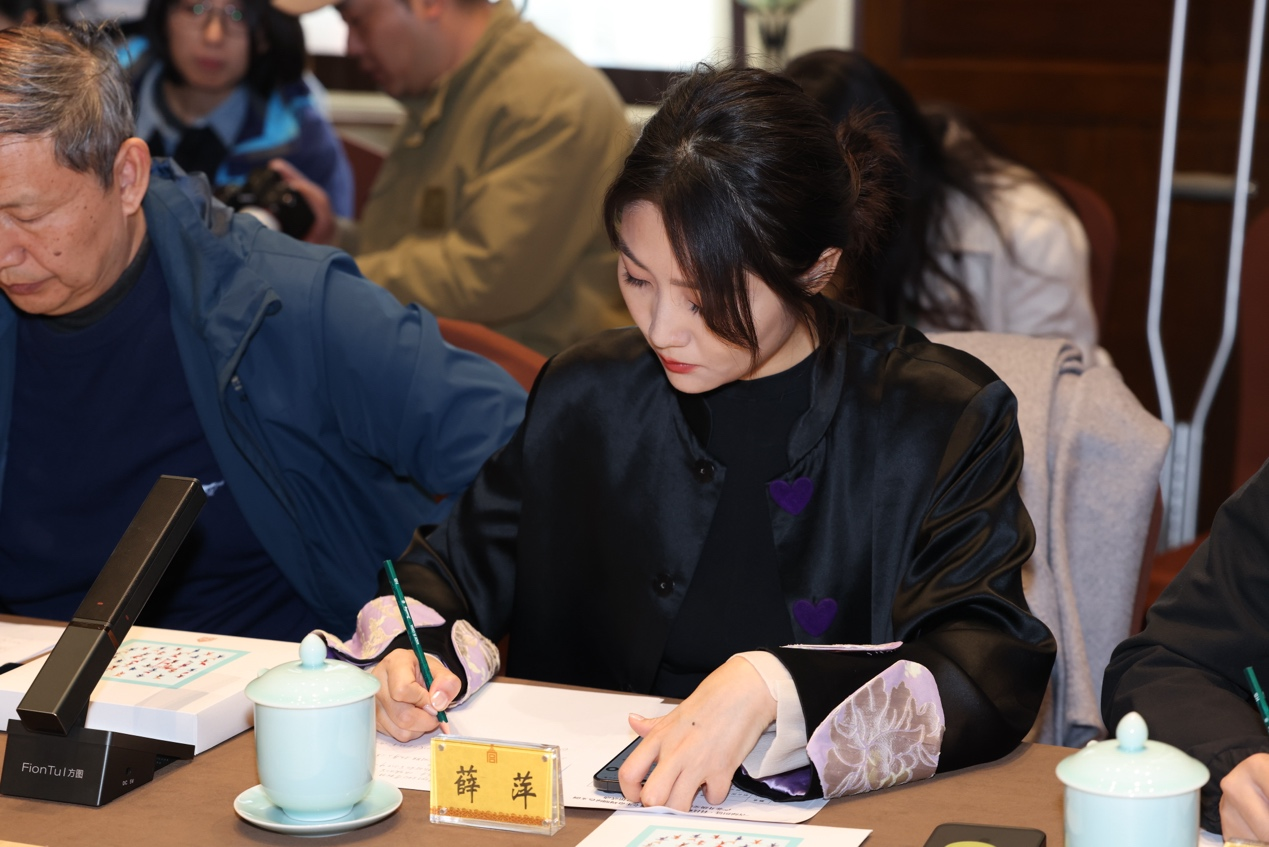
Xue Ping
Director of Carbon Management, Carbonstop
As a corporate representative, Xue Ping participated in the discussions and shared insights on key challenges and implementation pathways for climate transition at world heritage sites, future development trends in green cultural and creative industries, and the communication and growth of green consumption content in the Chinese market. Drawing on its professional expertise and practical experience in carbon management and low-carbon transition, Carbonstop will continue to provide professional support to the Palace Museum in advancing its low-carbon transition, helping it explore development pathways that combine cultural value with sustainable impact.
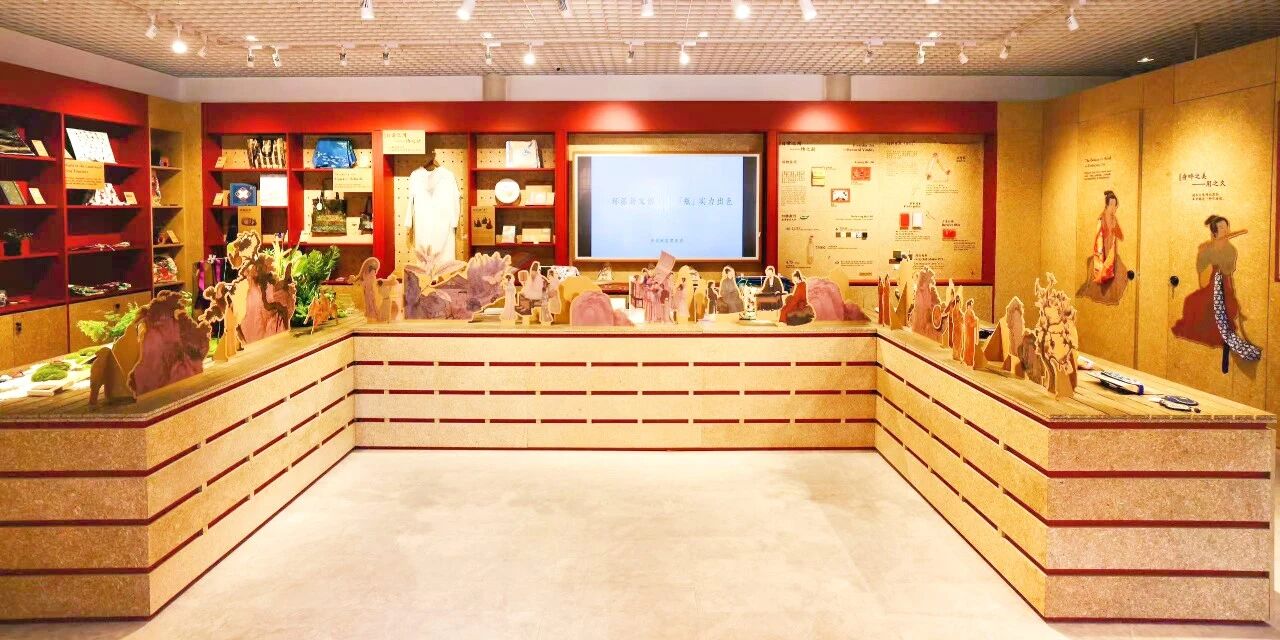
The Palace Museum’s green DNA has long been embedded in its thousand-year cultural heritage, in line with the wisdom of the ancients to “respect nature and cherish resources” and “make full use of all things.” All the green cultural and creative products displayed at Verdant Living Pavilion are inspired by artifacts from the Palace Museum’s collection and made from recycled and eco-friendly materials, bringing new life to the sustainable values embedded in cultural relics and enabling the environmental wisdom of the past to merge seamlessly with the modern zero-waste concept.
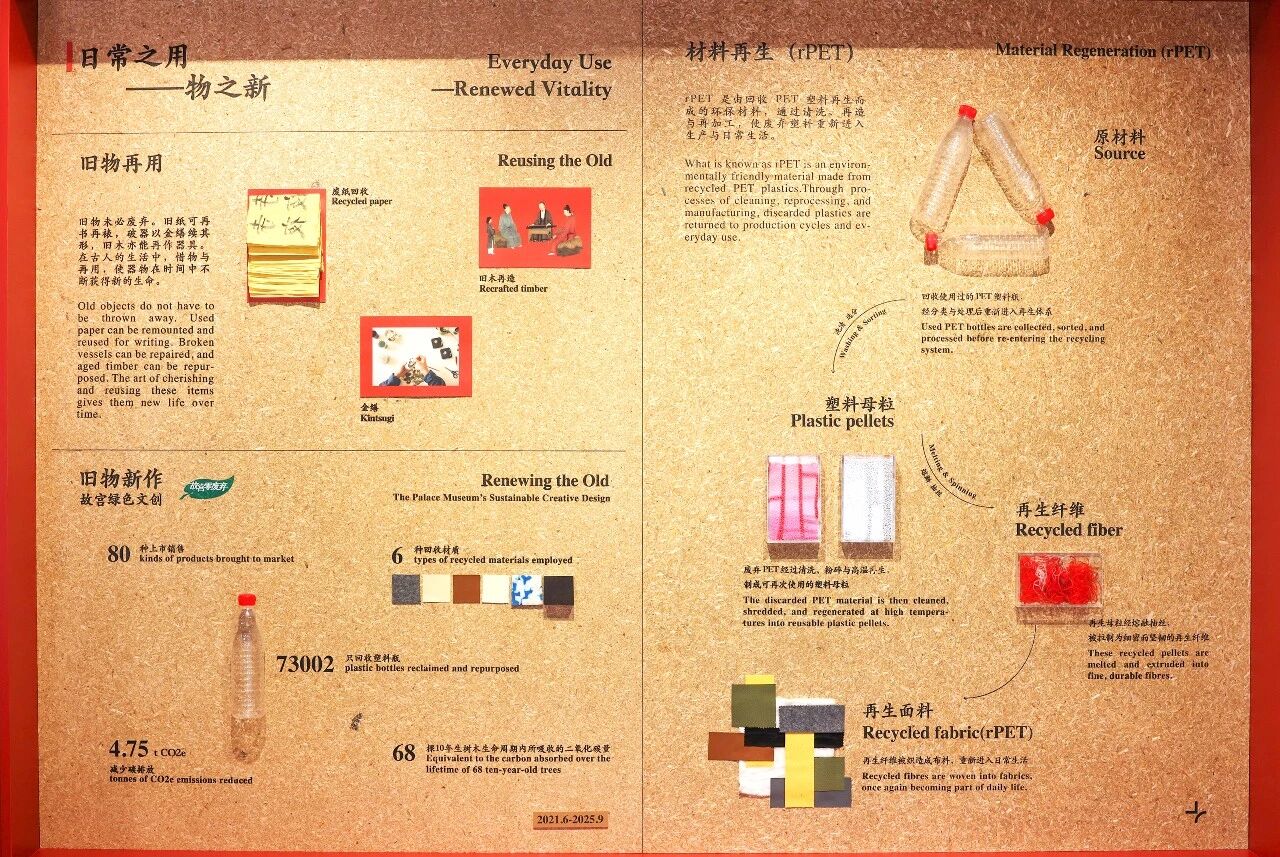
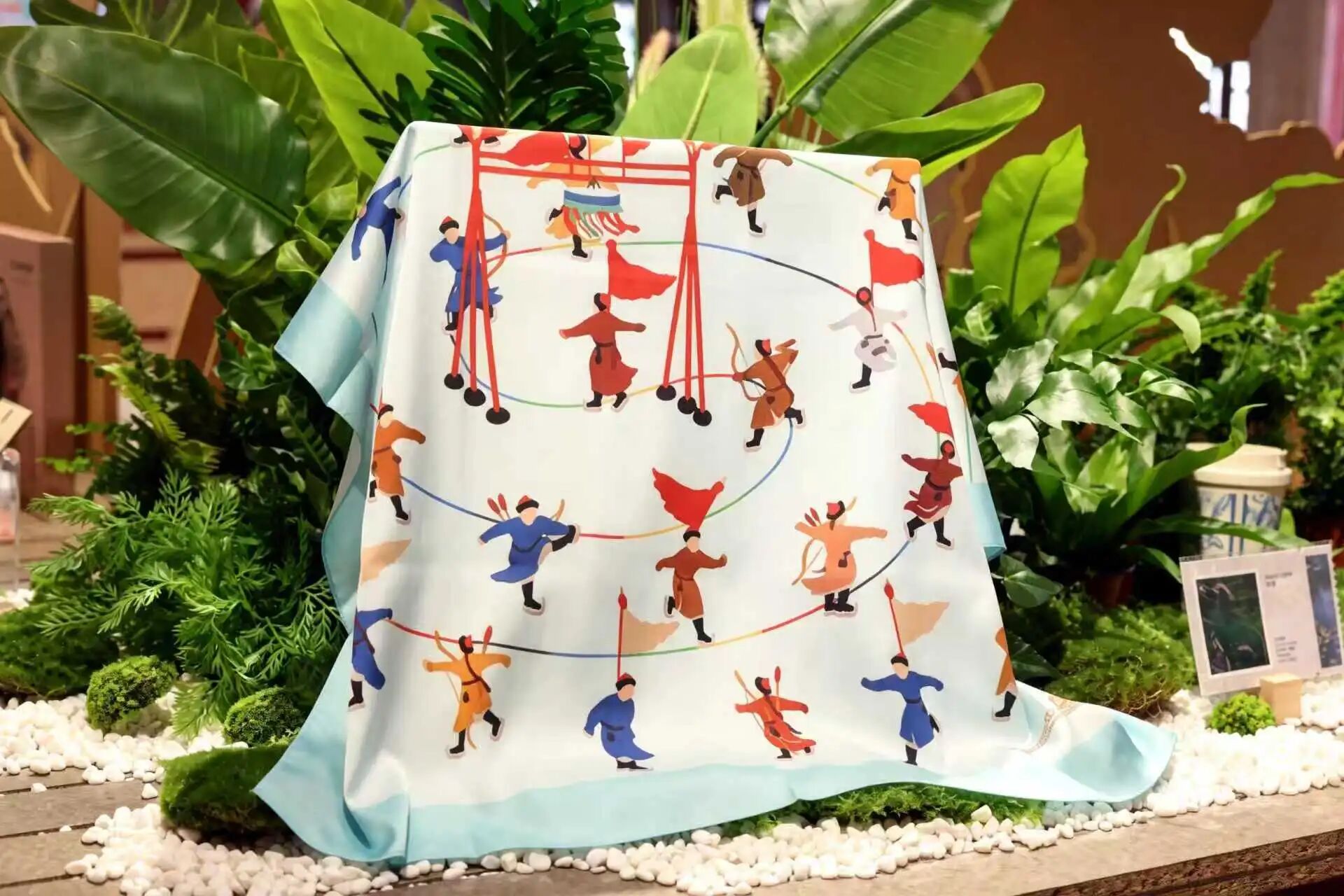
The newly launched “Tracing Ice Blossoms” and “Joyful Ice Games” collections are based on Ice Games Scroll, a collaborative work by Jin Kun, Cheng Zhidao, and Fulongan from the Qing dynasty. Drawing on the scroll’s dynamic depictions of ice sports, lively scenes, and classical colors, the collections reinterpret them into geometric motifs and bright, vivid contemporary visual language, vividly presenting the unique charm of Qing dynasty ice sports culture. The collections include silk scarves, reusable tote bags, and shoulder bags, all woven from rPET eco-friendly fibers made from recycled beverage bottles.
Beyond its green cultural products, the store itself is also a form of “green cultural creation.” Under the theme “Built to Last, Renewed in Use, Alive in Relationship,” the space incorporates the traditional wisdom of cherishing objects into its design. Its display structures are built from recyclable materials to reduce waste from one-time decoration, extending the zero-waste concept from products to the space itself. The store also features an interactive seal engraved with the phrase “Nothing Should Be Wasted,” taken from an imperial inscription by the Qianlong Emperor on Lady Beneath the Paulownia Shade and Jade Mountain, a Qing dynasty painting. This seal pays tribute to the traditional idea of using everything to its fullest and allows the concept of sustainability to be conveyed to every visitor through a small but meaningful interaction.
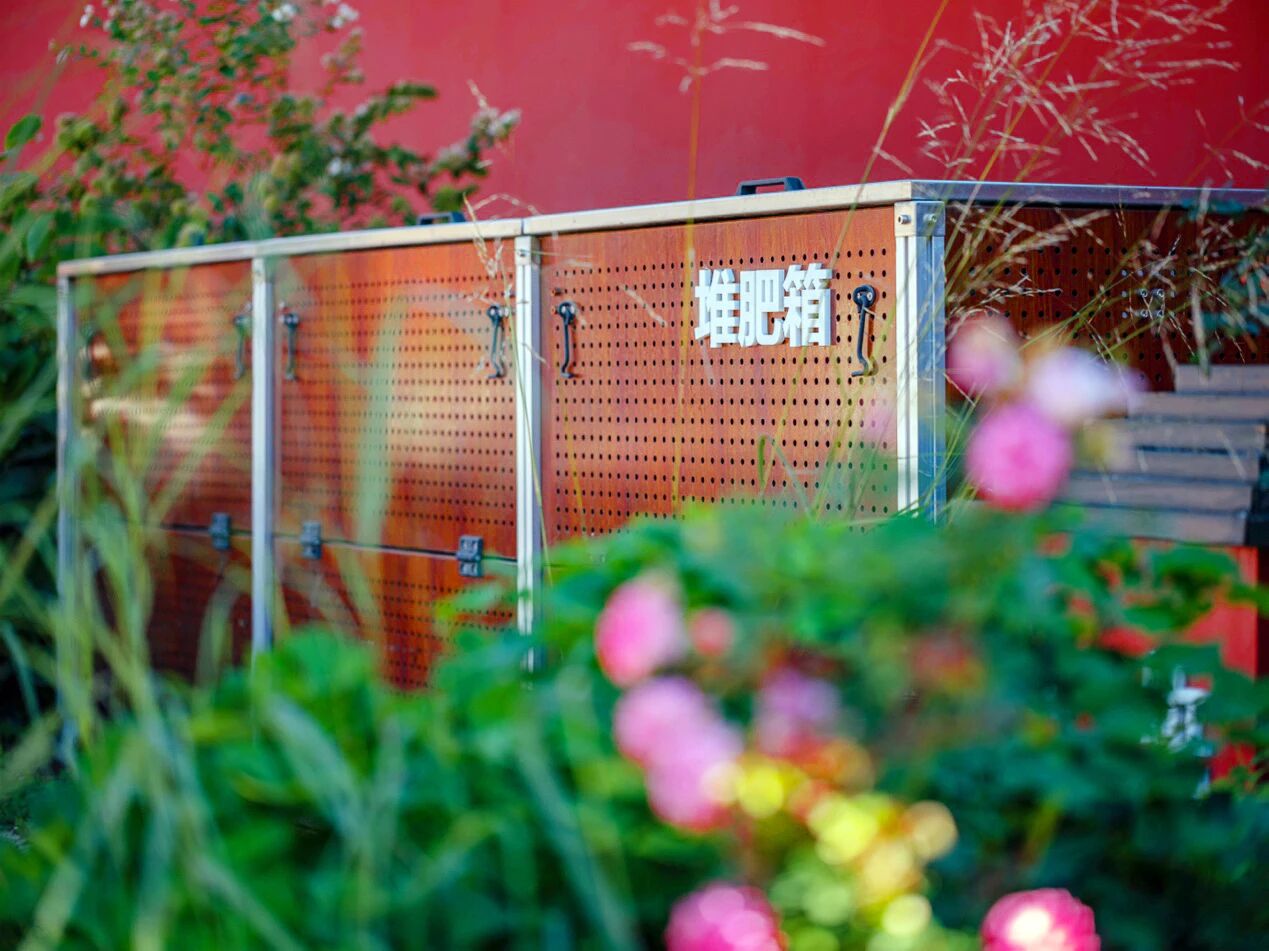
Composting Bin for the “Zero Waste at the Palace Museum” Eco-Garden
Since January 2020, the Palace Museum and the Vanke Foundation have jointly launched the “Zero Waste at the Palace Museum” initiative. Guided by the principles of reduction, resource recovery, and harmless treatment, the project ranges from composting garden waste to nourish the ancient courtyards’ vegetation, to transforming used materials into refined cultural products; from uncovering environmental wisdom in the museum’s collection, to engaging the public in zero-waste practices. Over the past six years, the project has mobilized around 3,000 Palace Museum staff members, 40,000 tour guides, and more than 40 million visitors to join in building a greener Palace Museum. The opening of Verdant Living Pavilion and the convening of this forum on green cultural and creative industry upgrading mark important steps in deepening the project’s practice, extending the zero-waste concept from site management to cultural communication, and allowing environmental protection and cultural creativity, as well as tradition and modernity, to blend together.
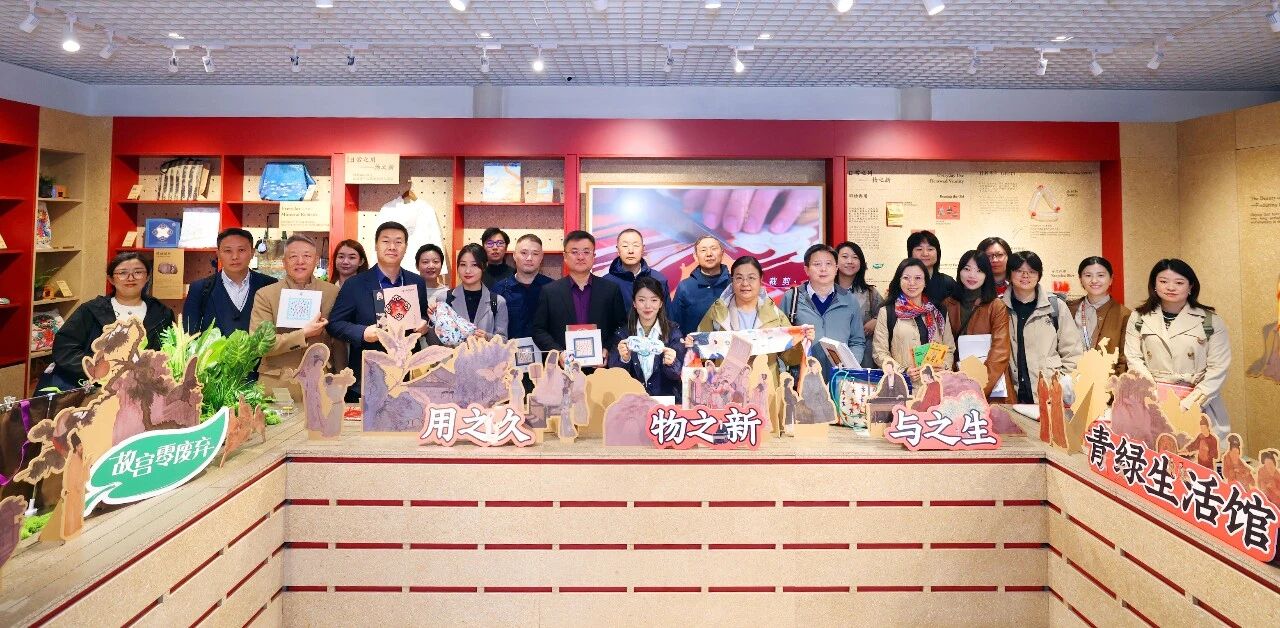
Group Photo of Guests at Verdant Living Pavilion
Looking ahead, Carbonstop will continue to rely on its professional expertise in climate transition and carbon management to deepen cooperation with the Palace Museum, carry out broader and deeper exploration of low-carbon transition pathways for world heritage sites, promote the integrated innovation of cultural heritage conservation and green sustainable development, and help build low-carbon transition practices that embody cultural value, social impact, and exemplary significance for the times.


