


 565
565For companies dedicated to green practices, Scope 3 emissions have become the main focus. These are the indirect emissions found throughout the value chain. Organizations usually track Scope 1 and 2 emissions, which cover direct operations and bought energy. However, Scope 3 makes up about 80 to 90% of a company's total carbon footprint. This broad area includes supplier activities, product usage, and final waste disposal. Rules are getting stricter everywhere. Frameworks like the European Union’s Corporate Sustainability Reporting Directive (CSRD) and the International Sustainability Standards Board (ISSB) are setting new rules. The Carbon Border Adjustment Mechanism (CBAM) also plays a big role. Because of these rules, clear Scope 3 reporting is no longer just a good idea. It is now a strict need to stay competitive worldwide.
For buying and operations managers, the problem is obvious. Without strong Scope 3 tracking, businesses face rule violations. They also risk poor supplier work and damage to their public image. However, a smart plan can change this. Scope 3 can shift from a heavy rule-following task into a powerful tool. It can drive new ideas, better supplier teamwork, and a market edge.

Understanding the Complexity of Scope 3
Scope 3 has many layers. The GHG Protocol splits it into 15 different groups. These range from bought goods and services to daily worker travel. They also cover how sold goods are handled at the end of their life. The hard part is not just measuring things. The real issue is keeping data solid. Most businesses rely on numbers given by outside suppliers. This reliance makes checking for steady, correct, and clear data a tough, ongoing job.
Recent advice from the ISSB and CSRD points to double materiality. This rule means companies must share two main things. First, they must show how climate risks affect their money. Second, they need to report the social and green impact of their daily work. In real terms, this means business leaders have to act. They must:
- Work closely with suppliers at all levels to gather trustworthy data.
- Check data quality using clear, step-by-step review methods.
- Match inside reporting tools with global rules to ensure audit-ready sharing.
This hard work has sparked a need for top-tier business tools. Companies want systems that connect carbon math, future planning, and ESG reporting across global supply networks.


Strategic Implications for Enterprises
1. Regulatory Compliance is Only the Starting Point
Recent EU CSRD updates show how reporting rules are shifting. The bar for reporting is now higher, focusing mainly on very large companies. Also, the needed data points have dropped by almost 70%. This change eases the load for smaller firms. Still, big global companies must handle deep Scope 3 reporting. They need to track supply chain carbon, review product life cycles, and plan green shifts. Firms that ignore these rules face heavy fines. They might also lose market access under CBAM and lose trust from key partners.
2. Supplier Engagement Becomes a Value Driver
Good Scope 3 tracking requires strong teamwork. Businesses need smooth work steps that can:
- Chart supplier carbon output across early supply stages.
- Watch the progress of carbon-cutting goals.
- Offer clear tips for shared green projects.
Top firms now use smart, AI-backed tools to make these steps easier. These tools allow fast data checks and supplier matching. Beyond just following rules, this builds better ties. It lowers daily risks and spots ways to save money across the whole supply chain.
3. Data Accuracy and Traceability are Non-Negotiable
Top-quality data forms the core of trusted carbon reporting. Businesses must use systems that can:
- Store and match data from many layers of suppliers.
- Mix local and global carbon factors, including specific data from China.
- Run clear, audit-ready checks that meet CDP, CSRD, and ISSB rules.
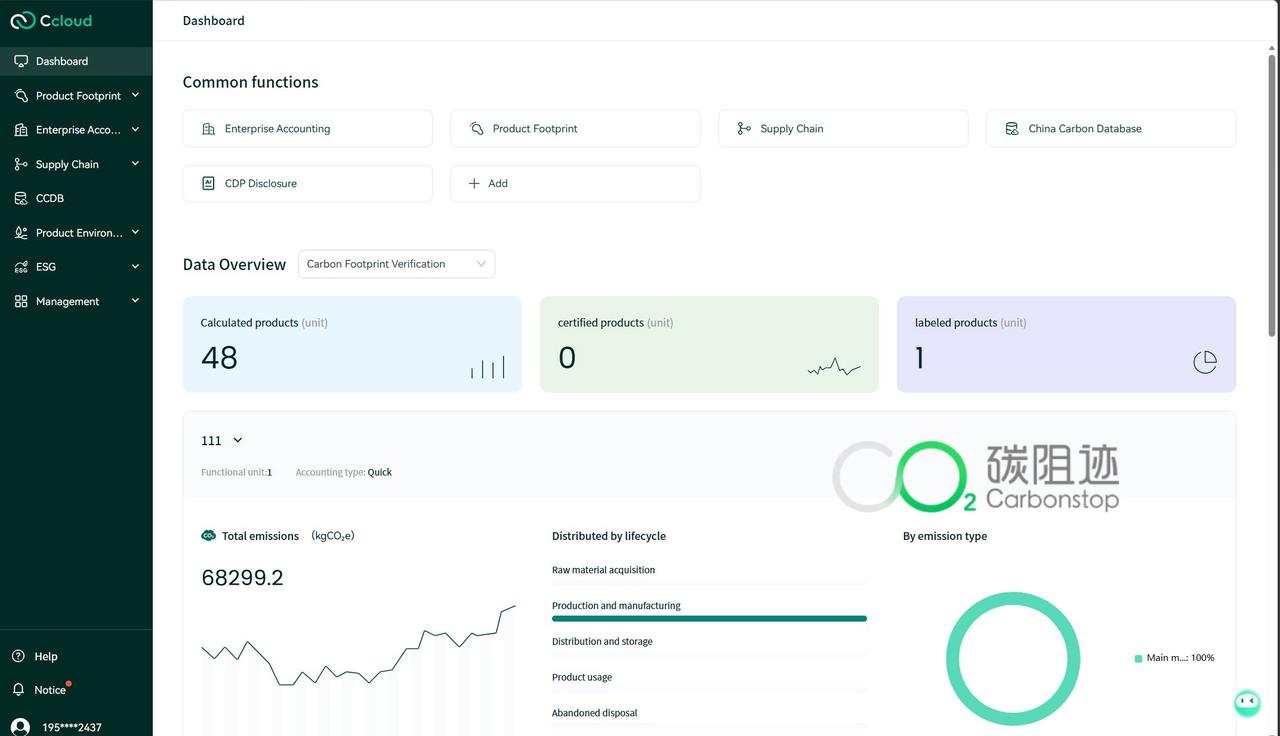
Tools like Carbonstop’s Ccloud offer these features. They blend smart AI data checks with large carbon databases. This setup ensures that choices and reports rely on firm, clear facts.

Turning Scope 3 Management into Strategic Advantage
Scenario Modelling and Benchmarking
By testing different ways to cut carbon, companies can pick the best projects. This testing also helps with long-term goals. It guides firms to reach Science-Based Targets (SBTi) and get ready for new laws.
Carbon Asset Management
Modern tools do more than just count carbon. They help manage carbon assets, like offsets and trades. Adding a Carbon Asset Digital Management System lets firms build better portfolios. It ensures real carbon cuts and proves strong ESG work to investors and rule-makers.
Embedding Carbon into Business Decisions
A Carbon Management Platform linked with buying, product making, and daily work is vital. It makes sure carbon facts shape buying, building, and shipping choices. Firms can move from just following rules to actively creating value. They can use carbon smarts to stand out in the market.
Practical Steps for Leaders
1. Map the value chain: Find trouble spots and major suppliers.
2. Engage suppliers: Use clear steps to gather, check, and boost data quality.
3. Adopt enterprise-grade platforms: Make sure platforms handle Carbon Emission Management across many rules and give audit-ready reports.
4. Scenario planning: Test carbon-cutting plans and compare them with rivals.
5. Integrate into decision-making: Use carbon facts to guide buying, product design, and daily plans.
By making these steps a habit, firms can handle Scope 3 carbon well. They lower risk and stand out as leaders in green value building.

Conclusion: From Compliance to Competitive Edge
Scope 3 emissions are no longer optional—they define corporate resilience, market access, and investor trust. Enterprises that embrace comprehensive Enterprise Carbon Management Service Platforms, leveraging AI-driven validation, scenario modelling, and traceable carbon data, can turn compliance into opportunity. By embedding carbon into strategic decision-making and engaging the entire value chain, companies not only meet CSRD, ISSB, and CBAM requirements but also transform sustainability into a driver of innovation, efficiency, and brand leadership.
As a practical next step, consider conducting a Scope 3 emissions “deep dive” within your organization: map your value chain, identify emission hotspots, and evaluate how decisions across procurement, operations, and product development influence your carbon footprint. Tools and methodologies offered by Carbonstop—from AI-powered data validation to supplier engagement workflows—can guide this process, helping enterprises generate actionable insights, improve data accuracy, and implement effective emission reduction measures. Even without a full-scale platform rollout, leveraging structured approaches inspired by Carbonstop’s frameworks can help teams prioritize high-impact interventions and demonstrate tangible progress toward corporate carbon neutrality goals.
To learn how to effectively manage Scope 3 emissions, contact our expert team at Carbonstop.


