


 562
562
In an era defined by the rapid evolution of global climate disclosure mandates, the traditional, manual approach to sustainability reporting has become an enterprise liability. As Carbonstop has witnessed over its 14-year history as a leader in digital carbon management, multinational organizations can no longer afford to spend months manually aggregating fragmented data. Pressure from the Corporate Sustainability Reporting Directive (CSRD), the International Sustainability Standards Board (ISSB), and the EU Carbon Border Adjustment Mechanism (CBAM) is forcing a paradigm shift toward "Generative ESG." The future belongs to corporate leaders who leverage domain-specific artificial intelligence to transform raw industrial data into audit-ready insights within hours.
 The Reporting Paradox: Reconciling Speed with Rigorous Compliance
The transition to a net-zero economy forces Chief Sustainability Officers (CSOs) to balance two conflicting priorities: the urgent demand for rapid disclosure and the strict technical precision required by international assurance standards. In manufacturing, where production processes involve intricate supply chains and shifting global utility matrices, manual data collection introduces high rates of human error. This tension transforms compliance into a resource-heavy bottleneck rather than a strategic exercise.
Advanced carbon management systems resolve this paradox. By automating data ingestion and processing, enterprises eliminate the operational lag of legacy tracking methods without sacrificing precision. The goal of Generative ESG is not merely automated writing but the creation of an unassailable data lineage. This transformation shifts sustainability teams away from administrative data collection and allows them to focus on capital allocation, mitigation planning, and transition risk management.

Deploying Carbon AI Agent for Automated, Audit-Ready Modeling
The core infrastructure enabling this speed is Carbonstop’s proprietary Carbon AI Agent, an enterprise-grade engine embedded directly within the Carbon Cloud (Ccloud) platform. Moving beyond generic large language models, this domain-specific AI automates the complex task of multi-source data extraction. It ingests unstructured documents—such as utility bills, facility-level logistics logs, and complex industrial bills of materials (BOMs)—parsing and translating them into structured, compliant carbon accounting models.
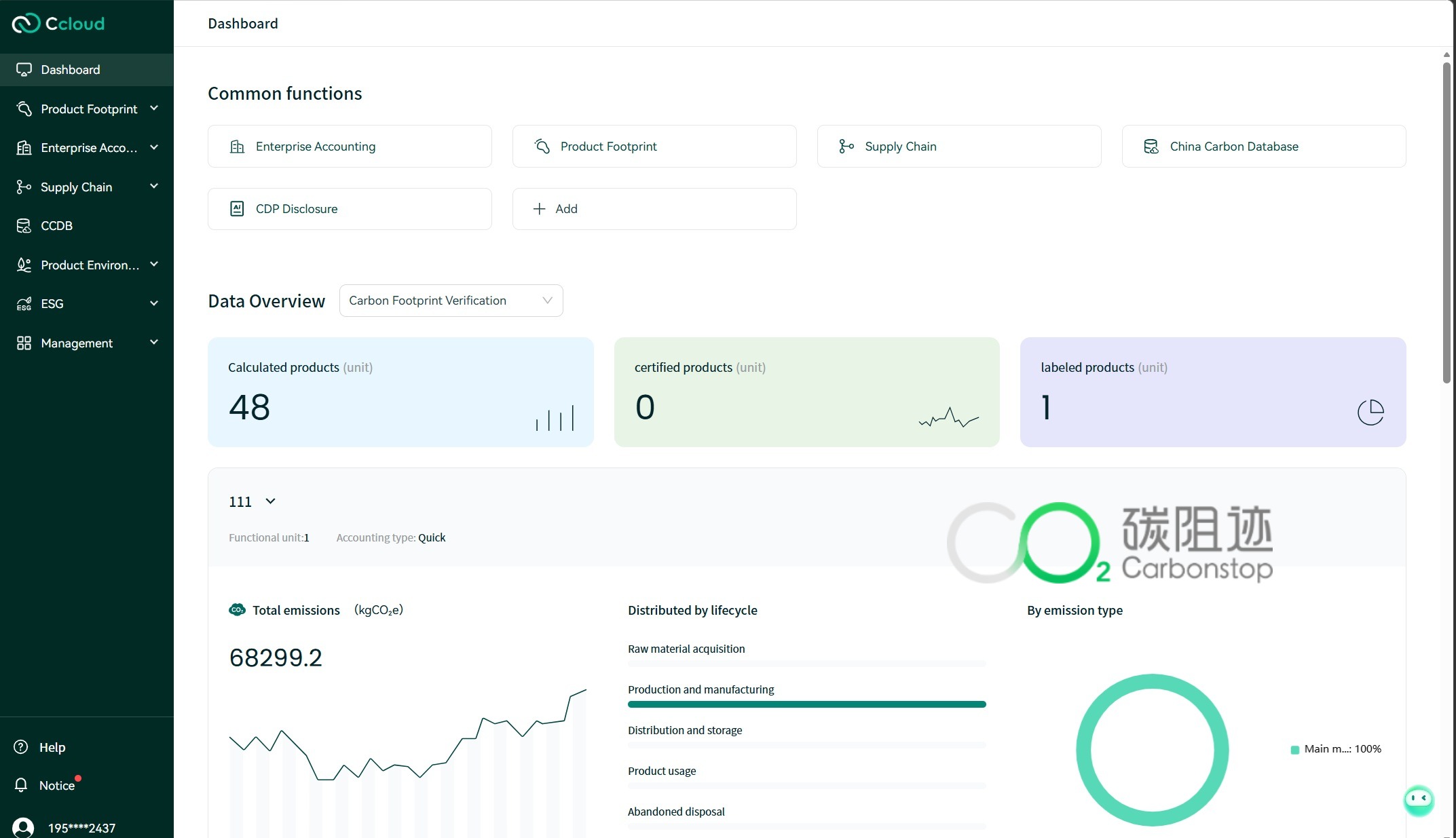
To achieve board-ready assurance, the Carbon AI Agent runs embedded logic self-validation routines. These checks automatically flag unit mismatch errors, outliers, and baseline inconsistencies, establishing a clear data trail before the information reaches external auditors. Once validated, the engine maps the corporate data directly onto global reporting frameworks, including CDP and EcoVadis questionnaires, and structures them to fulfill the double materiality frameworks mandated by the CSRD.

Grounding the CREOS Framework in Localized Data
A strategic reporting framework is only as credible as its underlying emission factors. Through its established CREOS framework—Calculating, Reducing, Engaging, Offsetting, and Spreading—Carbonstop grounds enterprise disclosures in rigorous carbon accounting principles.
For organizations operating or sourcing within major industrial hubs, generic global emission databases regularly fall short. They lack the granularity required to satisfy the Data Quality Ratings (DQR) mandated by European regulations like the EU Battery Regulation.
To eliminate these blind spots, Carbonstop’s Ccloud leverages the China Carbon Database (CCDB). As a comprehensive emissions factor database containing over 510,000 real-world data points—including more than 300,000 verified carbon emission factors—the CCDB allows companies to accurately calculate localized Scope 1, 2, and 3 profiles. This granularity ensures that reduction pathways are built on precise operational baselines.
When addressing residual emissions, the platform connects users with high-quality Carbonstop Carbon Tonne (CCT) credits that adhere strictly to international principles of additionality and quantifiability. Finally, the platform exports these verified pathways into disclosure templates that map directly to the European Sustainability Reporting Standards (ESRS).
 Solving the Scope 3 Challenge: MERIT-Driven Supply Chain Transparency
For heavy industries and discrete manufacturing, upwards of 80% of total climate impact resides within Scope 3 value chains. Managing emissions at this scale represents the next frontier of Generative ESG. To move past inaccurate industry averages, Carbonstop utilizes the MERIT methodology within the Ccloud platform to institutionalize supplier participation and establish cradle-to-gate transparency.
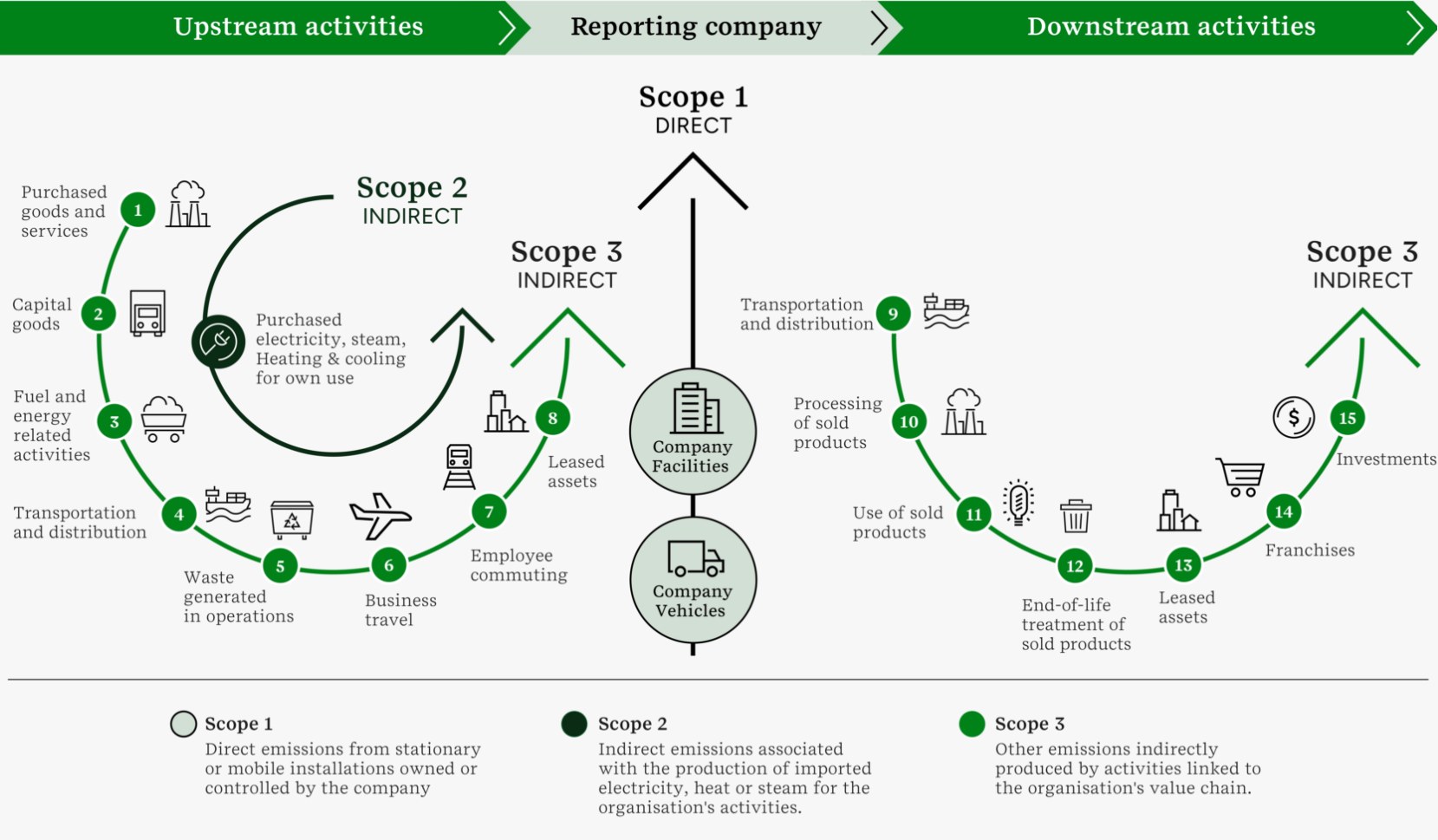
The platform streamlines supply chain collection by automating custom data collection workflows for upstream vendors. By replacing generic proxy data with primary, supplier-verified data, manufacturers protect their international market access. This granularity is essential for generating compliant Digital Product Passports (DPPs) and navigating the strict intensity thresholds imposed by CBAM.
Furthermore, to maintain long-term data integrity, Ccloud supports targeted supplier capacity building, offering automated insights and targeted tools that empower vendors to manage and improve their own carbon performance.

Cultivating a Low-Carbon Culture and Internalizing ESG Strategy
Comprehensive corporate sustainability requires alignment between value chain logic and internal organizational behavior. Integrating employee carbon accounts into the enterprise ESG framework provides a structured method for tracking and reducing operational emissions from commuting and daily facility activities. Ccloud quantifies these employee actions through a transparent points-based incentive system, transforming abstract corporate net-zero targets into clear, individual contributions.
This internal accountability extends directly to corporate governance events. By utilizing specialized green meeting indexes and real-time carbon-neutral event solutions, companies can accurately calculate, reduce, and offset the physical footprint of large-scale corporate forums and board meetings. This data adds an authenticated layer of internal operational excellence to the final sustainability report.

Turning Passive Compliance into a Competitive Transition Advantage
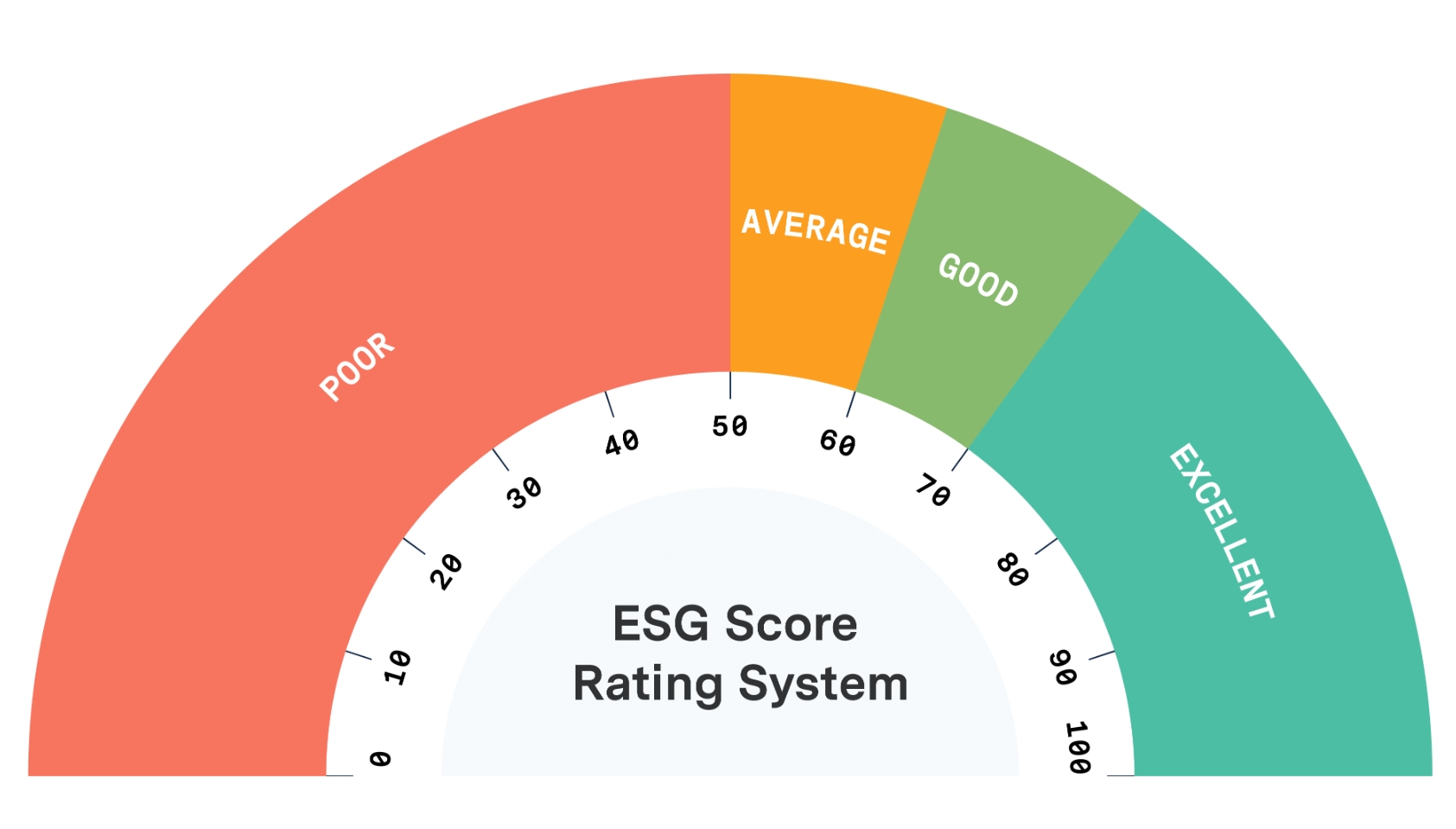
When executed through an automated infrastructure, an audit-ready sustainability report functions as a green passport for global markets. In the modern capital ecosystem, financial institutions rely on clear data to assess financed emissions under ISSB standards. High-fidelity carbon data directly improves corporate ESG ratings, unlocking preferential access to green bonds, sustainable credit facilities, and transition capital.
Ultimately, intelligent reporting shifts an enterprise from static, historical disclosure to dynamic, forward-looking action. Ccloud provides executives with predictive tools to run real-time emission pathway simulations. CSOs can model the exact cost-effectiveness of structural shifts—such as green power procurement contracts or specific manufacturing process upgrades—on a live dashboard. By leveraging the automated precision of Generative ESG, forward-thinking enterprises transform an administrative obligation into a scalable mechanism for commercial growth.
 Achieve Audit-Ready Precision with Carbonstop
Transition your climate disclosure from a resource-intensive bottleneck into a clear strategic advantage. Join more than 1,500 global brands leveraging advanced carbon accounting infrastructure.
[Request a Demo of Carbonstop Cloud Today]

Frequently Asked Questions (FAQ)
1. How does CSRD’s double materiality affect report drafting?
It requires disclosing both environmental impact and financial climate risks. Carbonstop’s Carbon AI Agent ingests data to accelerate matrix synthesis, while human-in-the-loop verification ensures compliance with strict assurance standards.
2. What is the role of emission factors in audit-ready reports?
Generic emission factors cause audit failures. For Asian operations, Carbonstop’s CCDB offers 510,000+ localized entries, providing the exact granularity needed to meet strict Data Quality Ratings (DQR) under CSRD and the EU Battery Act.
3. Can AI-generated ESG reports satisfy the GHG Protocol?
Yes. Instead of inventing narratives, the Carbon AI Agent maps raw data directly into standardized Scope 1, 2, and 3 categories based on validated accounting methodologies, ensuring scientific accuracy and auditability.
4. How does Scope 3 reporting impact competitiveness?
With regulations like CBAM penalizing carbon-heavy imports, global buyers demand precise product footprints. Using supplier-verified primary data via Digital Product Passports protects global market share against competitors relying on loose averages.


