

 1358
1358Materials are a core foundation of low-carbon and sustainable development. The sustainable materials space is heating up quickly, but the industry still faces a fundamental problem: there is no globally unified definition or evaluation standard for sustainable materials. Concepts are fragmented and confusing, leaving companies without a clear basis for material selection and increasing the risk of greenwashing, which in turn slows real-world green transformation.
To address this industry challenge and help define clearer standards for sustainable materials, NANOxARCH®, together with Professor Liu Xin’s team from the Ecological Design Research Institute at the Academy of Arts & Design, Tsinghua University, launched a public-interest research project. As an academic advisor, Carbonstop worked with leading organizations including SGS, CCIC, and Well Living Lab throughout the review process. The project also received expert evaluation from the School of Life Sciences and the School of Materials Science and Engineering at Tsinghua University.
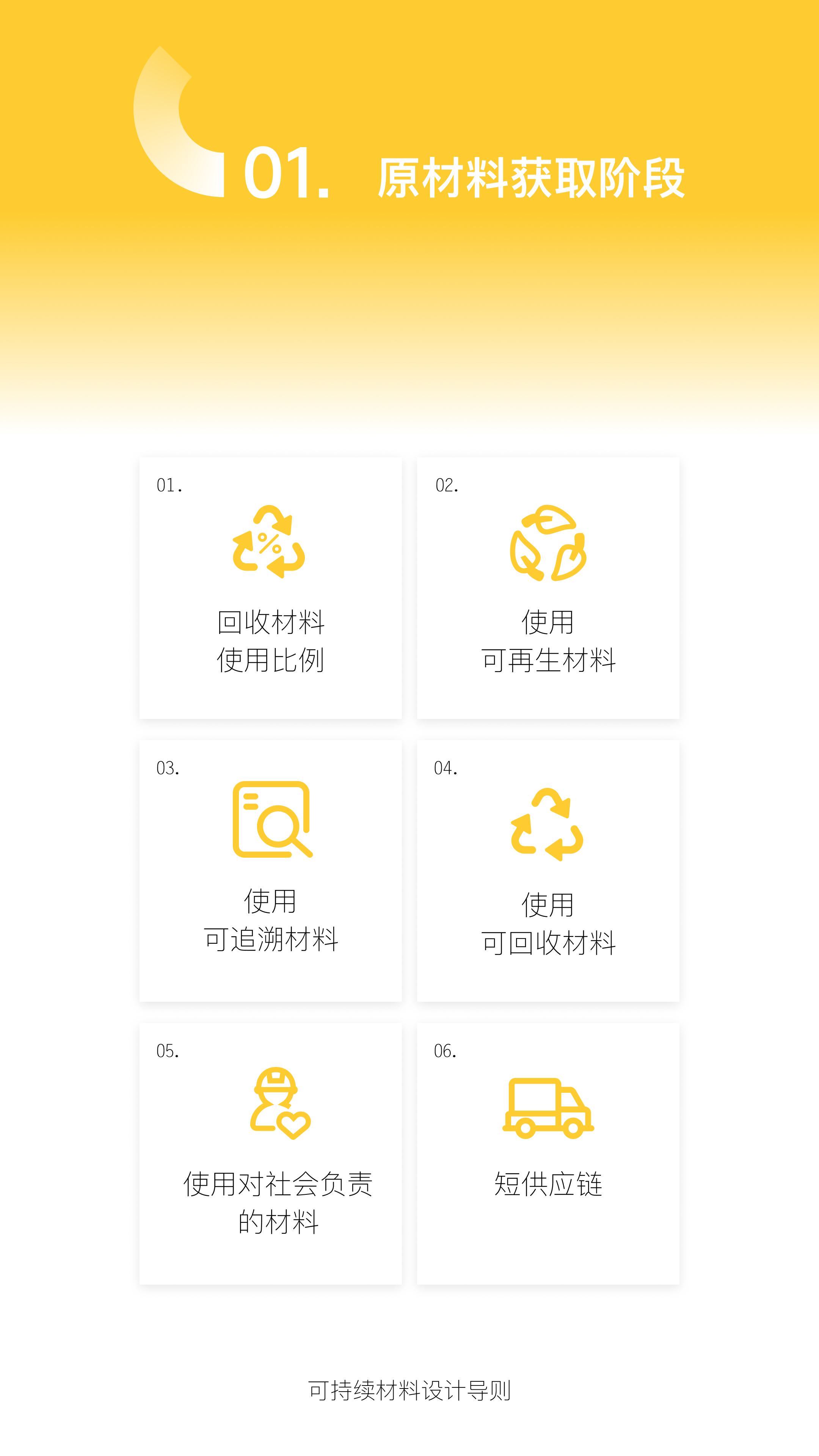
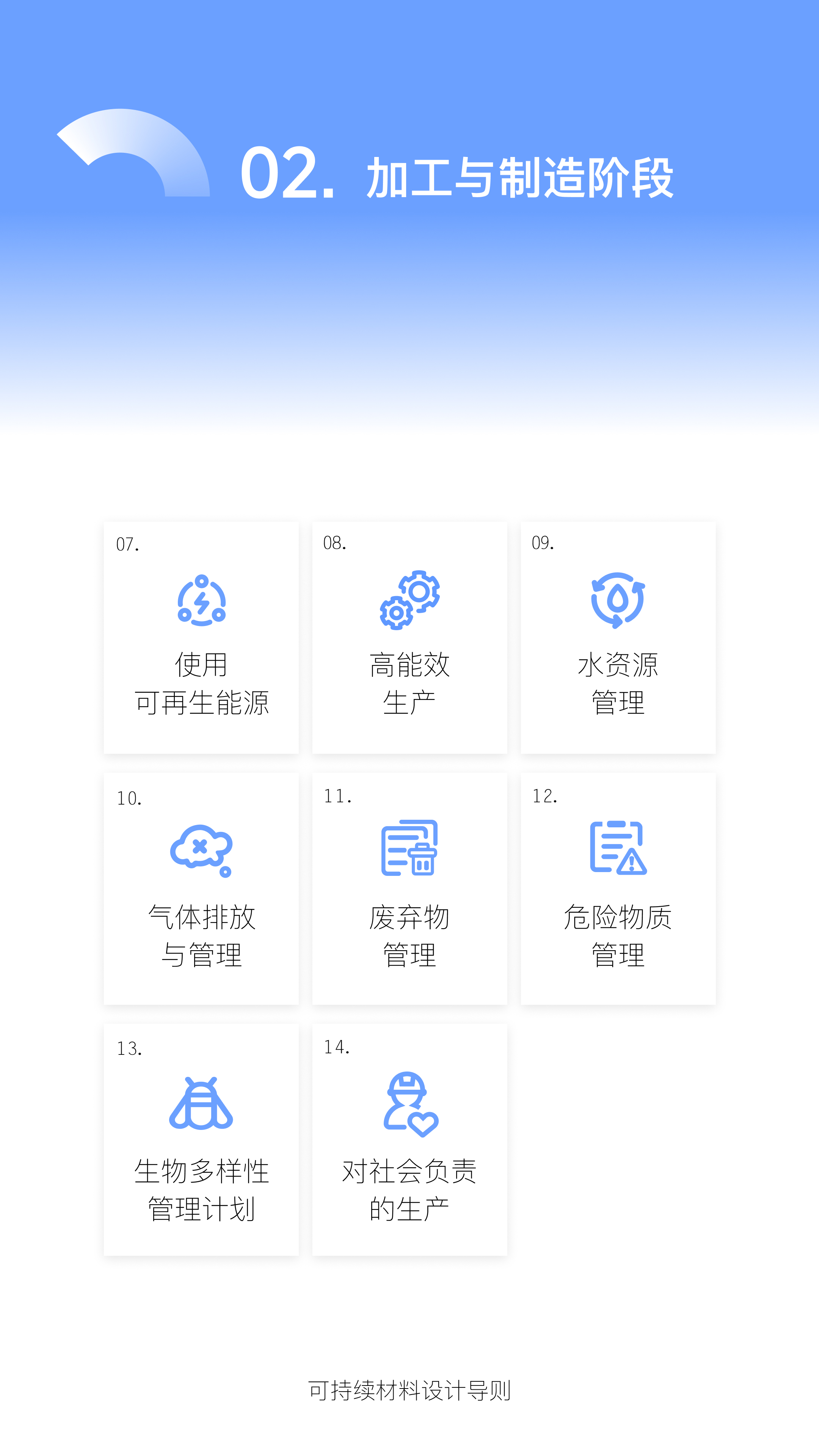
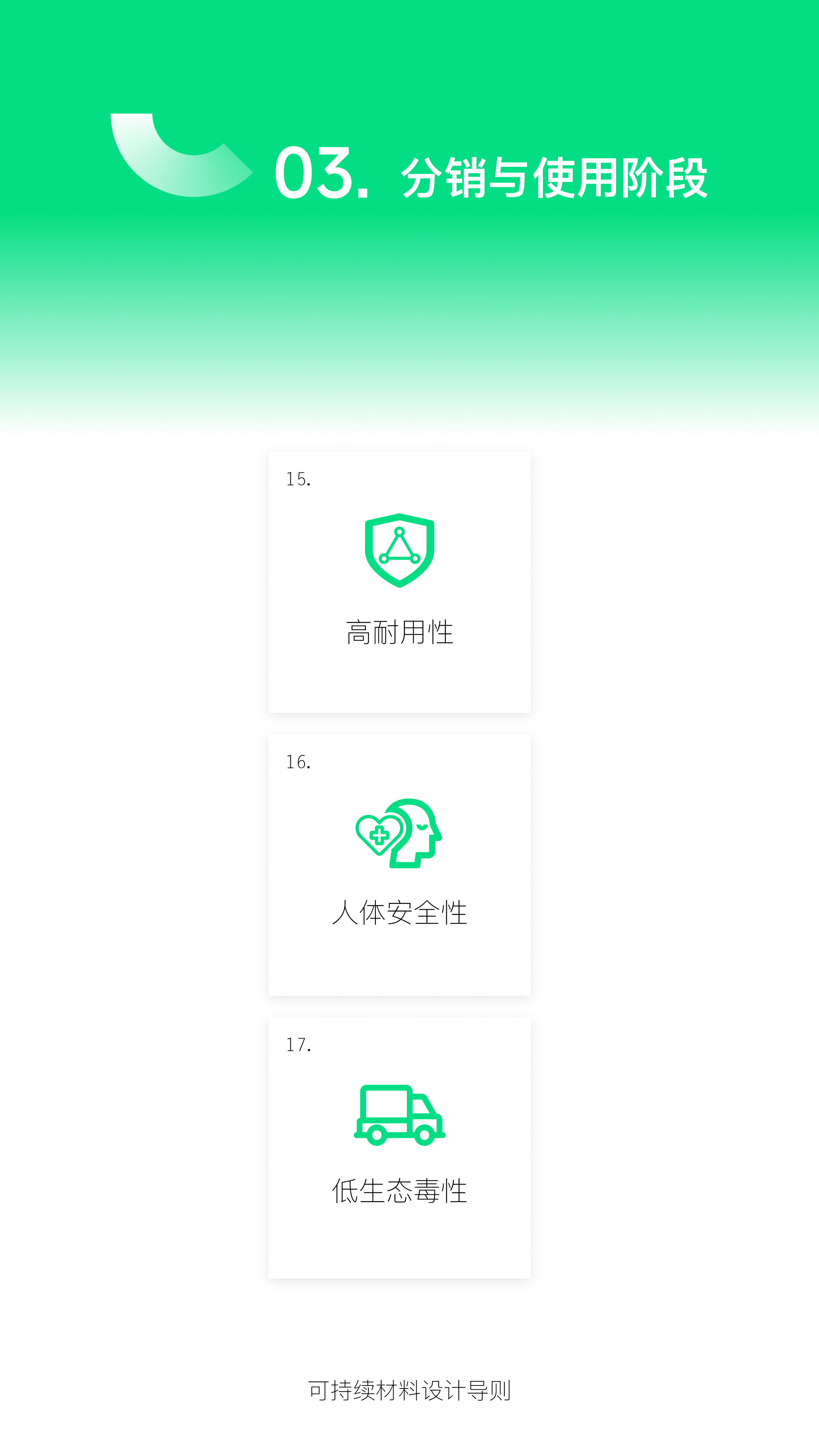
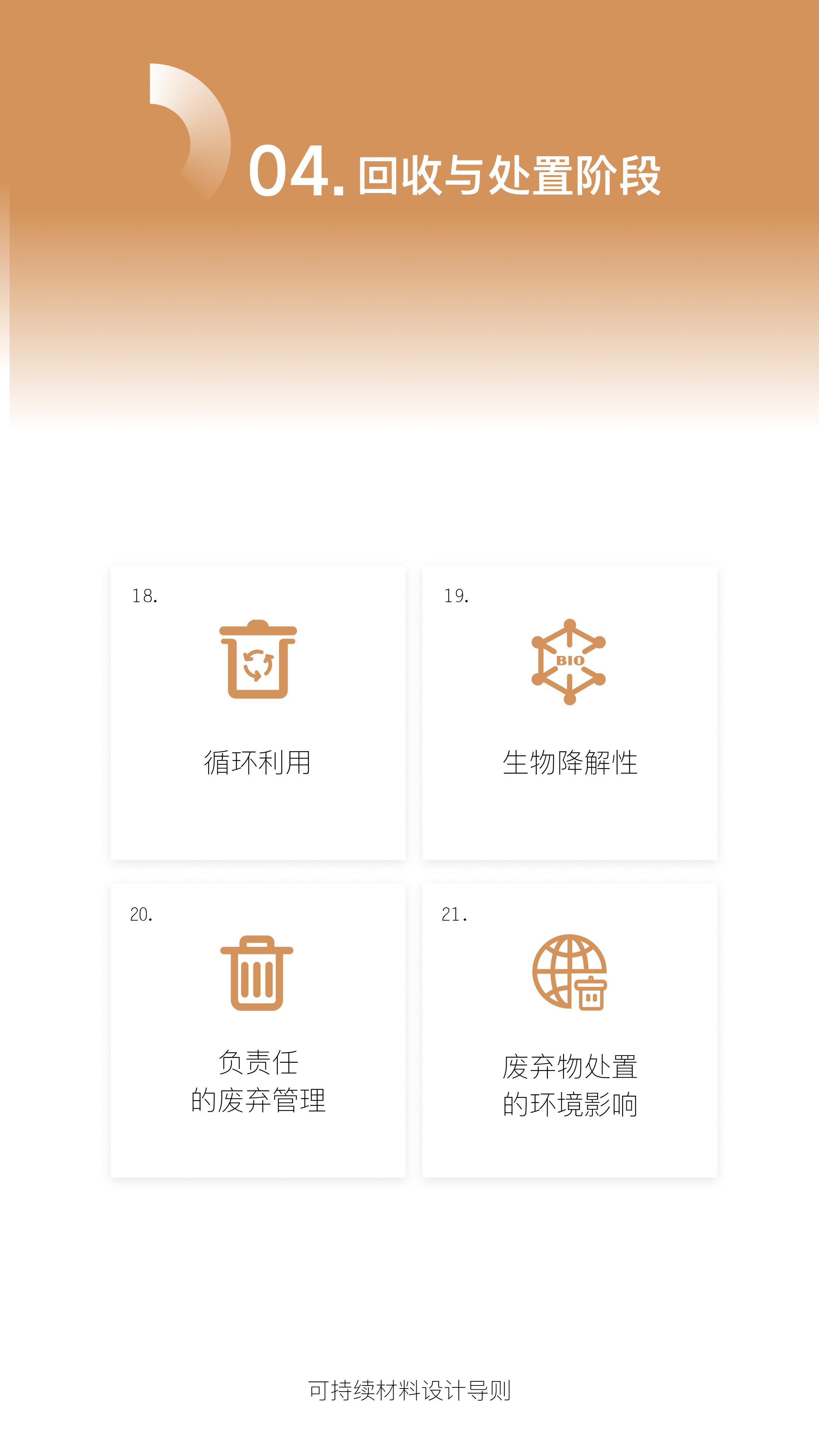
The research took two years. The team systematically reviewed nearly 350 authoritative papers, industry reports, and international certification systems, covering the full lifecycle of materials. In the end, it distilled 21 sustainable material design reference factors across the environmental, social, and economic dimensions and completed the final 88-page Sustainable Materials Design Guideline, which has now been officially released.
As a professional organization deeply focused on carbon management and low-carbon compliance, Carbonstop has long supported the standardized implementation of green industry rules. Our participation in this guideline review aimed to consolidate scattered material research and certification information and help the industry establish clear, practical criteria for sustainable material selection. Going forward, we will continue to work with partners across academia, industry, and research to promote the adoption of sustainable materials standards and support the steady advancement of low-carbon transformation and carbon neutrality.
Scan the QR code in the poster to get the full Sustainable Materials Design Guideline for free.